Understanding Repossessed Vehicle Auctions in Kenya
When considering purchasing pre-owned vehicles, bank vehicle auctions in Kenya present a compelling opportunity to acquire assets at competitive prices. These auctions, primarily featuring repossessed cars and machinery, are a critical component of the asset recovery process for financial institutions. For individuals and businesses alike, understanding the intricacies of these sales, from legal frameworks to bidding strategies, is essential. Swipe Recoveries Experts Ltd specializes in the nuanced field of auctioneering, ensuring transparency and efficiency in these transactions for both sellers and prospective buyers.
Legal Frameworks Governing Vehicle Repossession & Auctions in Kenya
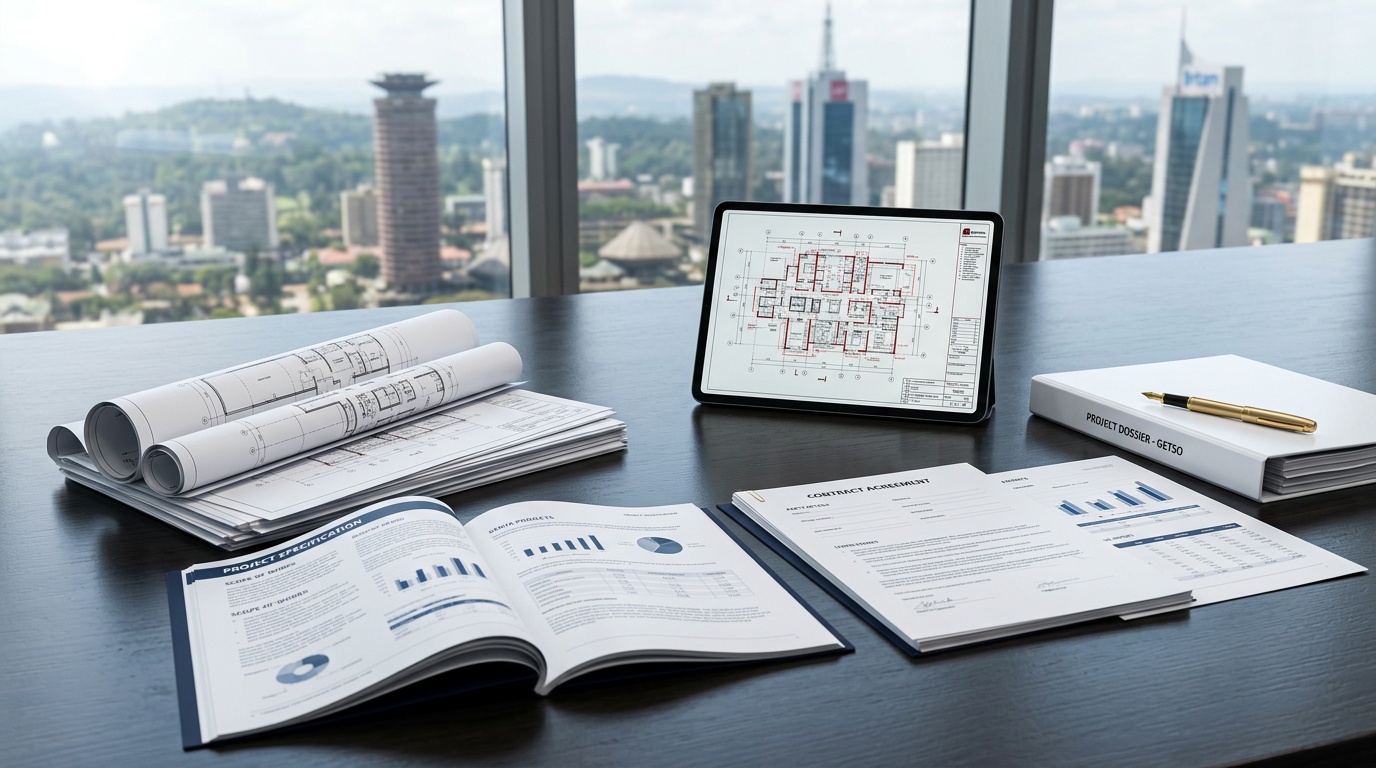
The process of vehicle repossession and subsequent auctioning in Kenya is strictly governed by several legal instruments to protect both lenders and defaulting borrowers. Key legislation includes the Auctioneers Act, Cap 526, which dictates the licensing and conduct of auctioneers, ensuring professionalism and adherence to established ethical standards. Furthermore, the Chattels Transfer Act and provisions within the Hire Purchase Act, Cap 507 (though less prevalent for direct bank loans) guide the legal transfer and disposal of movable assets. Financial institutions, upon a borrower's default, issue notices as per the Land Act, Cap 300 (if the vehicle was charged against land) or other relevant financing agreements, granting a grace period before repossession. Once repossessed, a public notice of auction must be published, typically in local newspapers, as per statutory requirements, detailing the auction date, time, and location. Understanding these legal safeguards is crucial for potential buyers, as it ensures the vehicles being auctioned have a clear, legally sound title. Swipe Recoveries Experts Ltd operates in strict compliance with these regulations, safeguarding the interests of all parties involved and ensuring that every transaction adheres to the letter of Kenyan law.
The Procedure for Participating in Bank Vehicle Auctions in Kenya
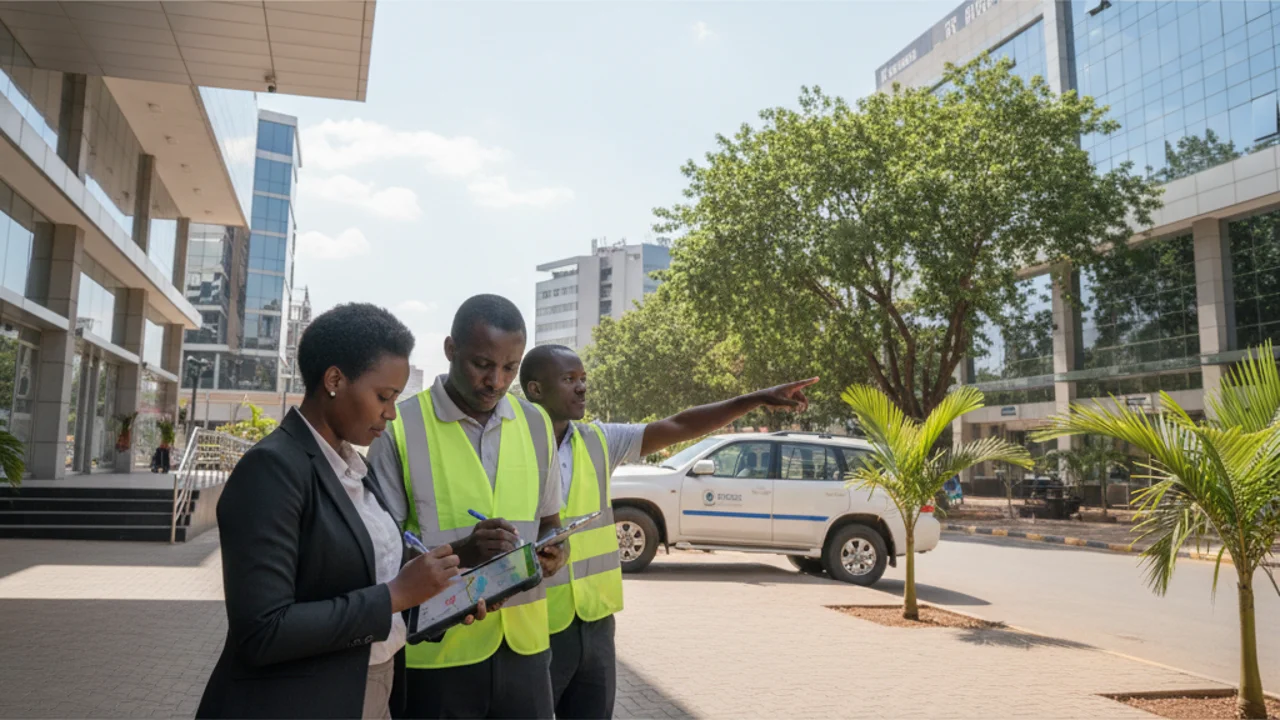
Participating in bank vehicle auctions Kenya requires a structured approach to ensure a smooth and successful acquisition. The first step involves identifying upcoming auctions, which are advertised in leading newspapers like the Daily Nation or The Standard, and often on auctioneers' websites. Prospective bidders should then conduct thorough due diligence on the vehicles of interest. This includes physical inspection of the vehicle, verifying its condition, mileage, and documentation. Essential documents to check include the vehicle's logbook (V5C), confirming ownership and any existing encumbrances, and ensuring compliance with the National Transport and Safety Authority (NTSA) regulations. On auction day, registration is mandatory, usually requiring a refundable deposit (e.g., KES 10,000 to KES 50,000) to obtain a bidding paddle. Bids are placed openly, and the highest bidder, upon the fall of the hammer, is declared the buyer. Full payment, typically within a few days, is required before the vehicle's transfer can be initiated. Professional auctioneering firms like Swipe Recoveries facilitate this entire process, offering guidance from pre-auction inspection to final ownership transfer, navigating complexities like KRA tax compliance and NTSA transfer procedures efficiently.
Debt Recovery & Auctioneering Coverage in Kenya
Swipe Recoveries Experts Ltd provides commercial recovery, skip tracing, and auctioneering services across Kenya and all 47 counties in Kenya.
Cost Implications and Practical Guidance for Vehicle Auction Buyers

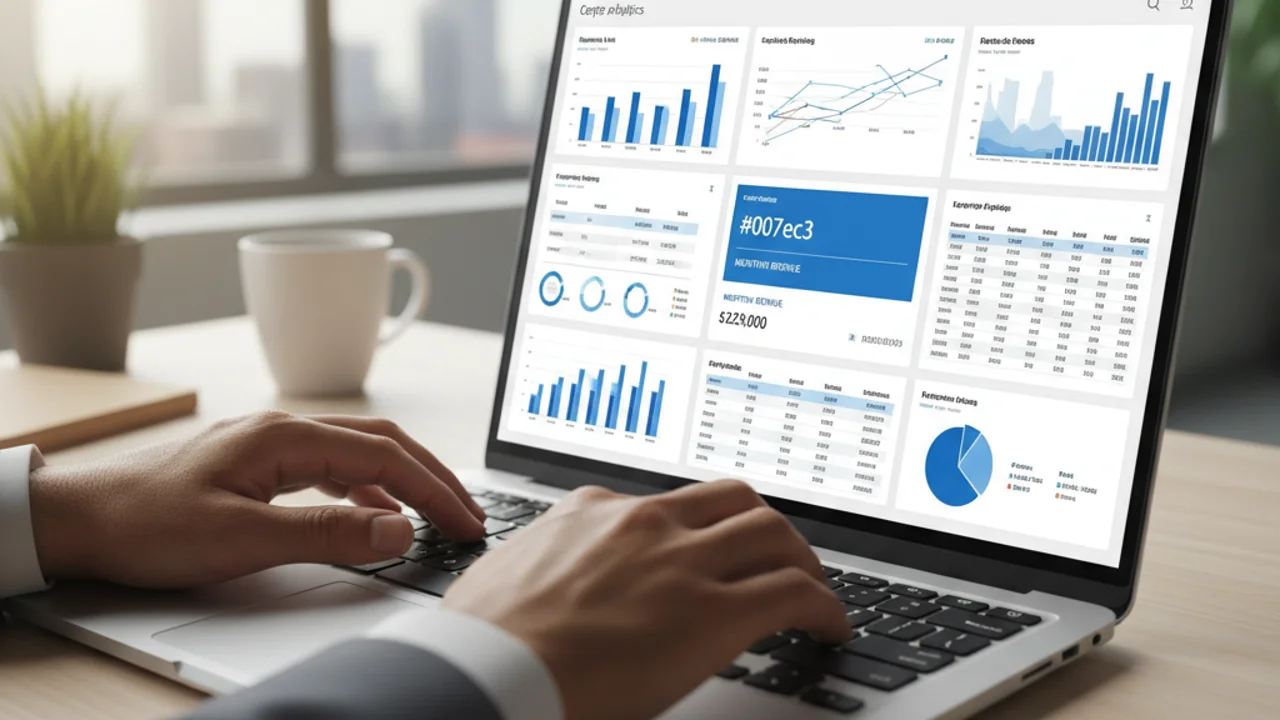
When budgeting for a vehicle from bank vehicle auctions Kenya, it’s vital to factor in all potential costs beyond the hammer price. Auctioneer fees typically range from 2.5% to 5% of the sale price, sometimes with a minimum fixed fee, as stipulated by the Auctioneers Act Cap 526. Additionally, buyers are responsible for Value Added Tax (VAT) on the auctioneer's commission and potentially on the vehicle itself if the seller is a VAT-registered entity. Other significant costs include NTSA vehicle transfer fees, which vary based on the vehicle's engine capacity and type, ranging from a few hundred to several thousand KES. It's also prudent to allocate funds for potential repairs, insurance, and the annual road license. Prospective buyers should always set a maximum bidding limit to avoid overspending and understand that vehicles are sold on an “as-is, where-is” basis, meaning no warranties are provided. Engaging with experienced auctioneers, such as Swipe Recoveries Experts Ltd, can provide invaluable insights into fair pricing, potential hidden costs, and the overall market value of repossessed assets, ensuring a well-informed and cost-effective purchase.