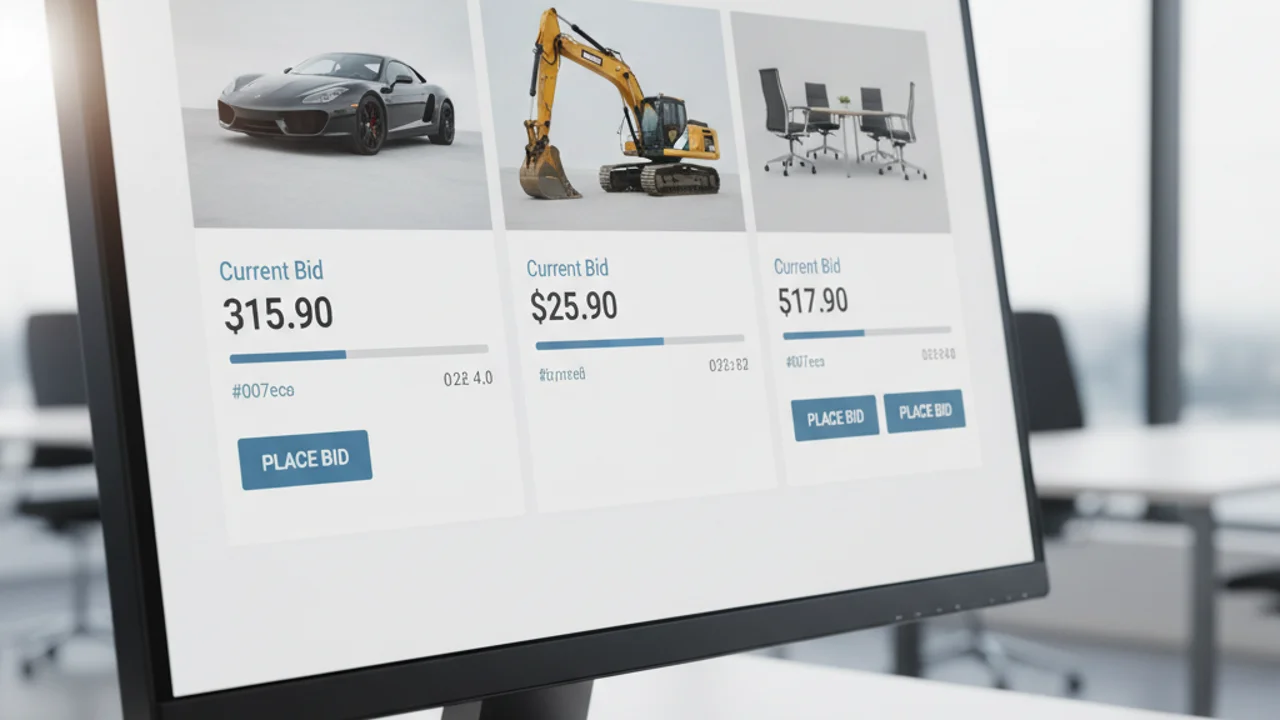
Understanding Bank Repossession Auctions
Navigating the world of bank cars auction events can be a strategic way to acquire vehicles at significant discounts. These auctions typically involve repossessed assets from defaulting borrowers, managed and overseen by specialized firms. Swipe Recoveries Experts Ltd is your trusted partner in Kenya, providing clear information and access to these opportunities. We understand the legal frameworks and procedural nuances involved, ensuring a transparent and efficient process for all participants interested in bank-owned vehicle sales.
Legal Framework Governing Repossessed Asset Auctions in Kenya
In Kenya, the auctioning of repossessed vehicles, often referred to as bank cars auction, is primarily governed by the Mortgage Holders Association of Kenya (MHAK) regulations and the broader legal landscape outlined in the Insolvency Act, 2015, and the Chattels Transfer Act. These statutes dictate the rights and obligations of lenders, auctioneers, and potential buyers. For instance, lenders must follow specific procedures to repossess assets, ensuring due process is adhered to. Subsequently, the auctioning process must be conducted by licensed auctioneers adhering to strict guidelines on advertisement, public notice, and fair bidding practices. Compliance with these regulations is paramount to prevent legal challenges and ensure the validity of the sale. Swipe Recoveries Experts Ltd operates strictly within these legal boundaries, upholding the highest standards of integrity and transparency in all our auction services, including those involving bank-held assets.

The Procedure for Participating in Bank Cars Auctions
Participating in a bank cars auction requires careful preparation and adherence to specific steps. Firstly, identify upcoming auctions through reputable sources like specialized auction houses or financial institution announcements. Swipe Recoveries Experts Ltd regularly advertises and conducts such auctions. Before the auction day, thorough inspection of the vehicles is crucial. Buyers should visit the auction yard, subject to the auctioneer's permission, to assess the condition, mileage, and any potential repair needs. Registration is mandatory, often requiring a refundable deposit (e.g., KES 10,000 to KES 50,000) to obtain a bidding number. Understand the auction terms and conditions, particularly payment deadlines, as most sales are 'as is, where is'. A winning bid typically requires payment within a short timeframe, often 24-48 hours. Upon full payment, ownership documents (logbook, transfer forms) are released. Familiarize yourself with the National Transport and Safety Authority (NTSA) transfer process, which will be your responsibility.
Costs, Fees, and Considerations for Bank Car Auctions

When considering a bank cars auction, it's vital to factor in all associated costs beyond the hammer price. The winning bid is subject to additional charges, typically including a buyer's premium (a percentage of the hammer price, often 5-10%), auctioneer's fees, and any outstanding storage or processing fees. For example, a vehicle won at KES 500,000 might incur an additional KES 25,000 to KES 50,000 in buyer's premiums and fees. You will also be responsible for stamp duty and NTSA transfer fees, which vary based on the vehicle's value and engine capacity. It is advisable to have funds ready for the full purchase price plus fees immediately after winning a bid. Swipe Recoveries Experts Ltd aims for transparency in our fee structure, ensuring all potential costs are communicated clearly before bidding commences. Factor in potential repair and maintenance costs, as vehicles are often sold without warranties.