Unlocking Investment Opportunities in Bank Auctions
Searching for a comprehensive bank auction list in Kenya can unlock significant investment opportunities in real estate, vehicles, and machinery, often at prices below the current market rate. These assets are typically repossessed by financial institutions like KCB, Equity Bank, and NCBA Bank from loan defaulters and are sold to recover the outstanding debt. While the prospect of a great deal is enticing, navigating these auctions requires diligence and expertise. Understanding where to find verified lists, the legal process involved, and the potential pitfalls is crucial for success. This guide, prepared by the experts at Swipe Recoveries, will show you how to effectively find and act on these listings, turning potential deals into secured assets.
Where to Find Verified Bank Auction Lists in Kenya
The most reliable source for a bank auction list in Kenya is the classifieds section of the country's leading daily newspapers. Banks are legally required to advertise upcoming auctions to ensure a public and transparent process. Look for the auction notices in the Daily Nation and The Standard, typically published on weekdays. These adverts are placed by licensed auctioneers and contain details of the property or asset, the date, time, and location of the auction. Another primary source is the official websites of licensed auctioneers themselves. Reputable firms like Swipe Recoveries Experts Ltd often feature a dedicated section for upcoming auctions, providing more detail than a newspaper ad. This is a direct and trustworthy source. You can also make direct inquiries at the credit or debt recovery departments of major banks. However, they will usually direct you to their appointed auctioneers. It is critical to be wary of unofficial lists circulated on social media or email, as they can be outdated, inaccurate, or outright scams designed to collect fraudulent fees. Always verify the auctioneer's license with the Auctioneers Licensing Board.
The Process: From Finding a Listing to Winning a Bid
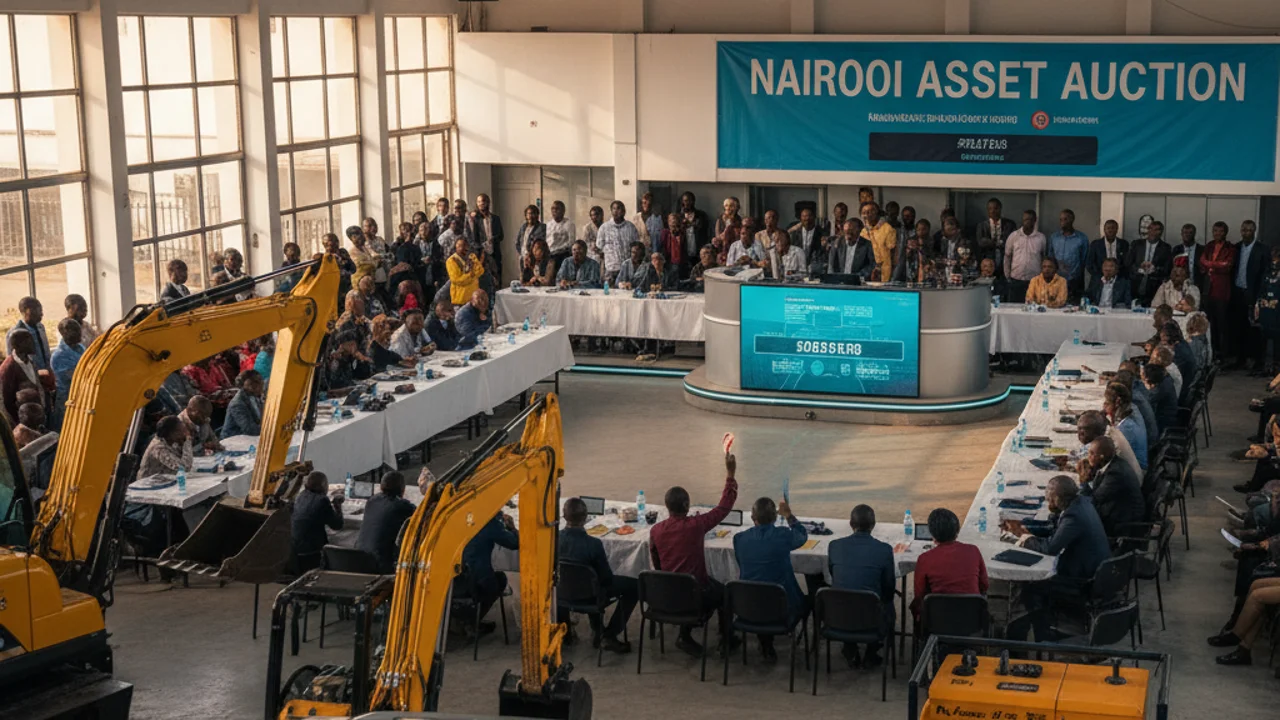
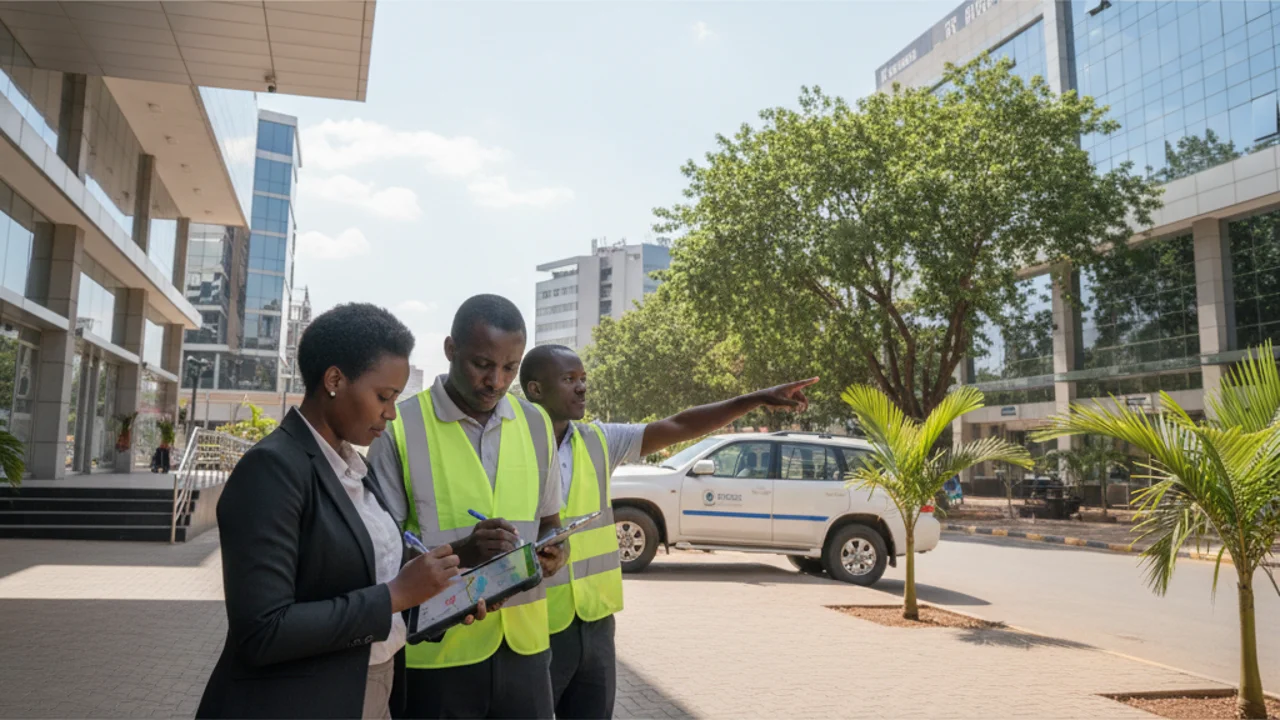
Once you've identified an asset of interest from a bank auction list, a methodical approach is essential. Step 1: In-depth Due Diligence. This is the most critical step. For properties, you must conduct a title search at the relevant Land Registry to verify ownership and check for any encumbrances. For all assets, a physical inspection is non-negotiable. Assets are sold on an 'as is, where is' basis, meaning the bank provides no warranties. You buy it with all its existing faults. Step 2: Arrange Financing. Auctions require immediate financial commitment. You will need a deposit of 25% on the auction day. The balance (75%) is typically due within 30 to 90 days. If you plan to use a mortgage, you must have a pre-approval letter from your bank before the auction. Step 3: Attend the Auction. On the day, you'll need to register with your ID, KRA PIN, and a bidding deposit (banker's cheque). The auctioneer will read the conditions of sale. Bidding is a transparent process, and the asset is 'knocked down' to the highest bidder who meets or exceeds the reserve price. Step 4: Post-Auction Procedure. If you are the winning bidder, you will sign a Memorandum of Sale and complete your 25% deposit payment. You then have the stipulated period to pay the remaining balance to the bank's lawyers to complete the transaction.
Debt Recovery & Auctioneering Coverage in Kenya
Swipe Recoveries Experts Ltd provides commercial recovery, skip tracing, and auctioneering services across Kenya and all 47 counties in Kenya.
Costs Involved and Essential Due Diligence
Budgeting accurately for a bank auction purchase goes beyond the hammer price. The most immediate cost is the bidding deposit, which is 25% of the purchase price, payable instantly. For a property that sells for KES 8,000,000, a deposit of KES 2,000,000 is required on the spot. While the seller (the bank) pays the auctioneer's commission, this cost is indirectly factored into the reserve price. Before the auction, you must budget for due diligence. A title search at the Ministry of Lands costs approximately KES 500, but you may want a lawyer to assist, which could cost between KES 10,000 to KES 30,000 for a comprehensive search and report. For properties, it is also wise to check for any outstanding land rates with the relevant County Government and land rent with the National Land Commission, as these liabilities can sometimes transfer to the new owner. After winning the bid, the buyer is responsible for stamp duty (4% of the value for urban properties, 2% for rural) and their own legal fees for the conveyance process. Factoring in all these costs ensures you understand the true price of your investment.