Understanding Bank Asset Auctions in Mombasa
For those seeking opportunities to acquire assets at competitive prices, bank asset auctions in Mombasa present a significant avenue. These auctions typically involve properties, vehicles, and other valuable collateral that banks have repossessed due to loan defaults. Understanding the legal frameworks, procedural requirements, and the role of professional auctioneers is crucial for both buyers and financial institutions. Swipe Recoveries Experts Ltd offers comprehensive support, ensuring transparency and compliance throughout the auction process in Mombasa. Our expertise ensures both buyers and banks navigate these transactions efficiently and legally.
Legal Framework & Regulatory Compliance for Bank Auctions in Kenya
Bank asset auctions in Mombasa operate under a robust legal framework designed to protect the interests of all parties involved. The primary legislation governing these auctions includes the Auctioneers Act (Cap. 526), which regulates the conduct of auctioneers, and the Civil Procedure Act, which outlines the procedures for the attachment and sale of property under court orders. Additionally, the Banking Act and specific charge documents govern the relationship between banks and borrowers, stipulating the conditions under which an asset can be repossessed and subsequently sold. The Central Bank of Kenya (CBK) also issues prudential guidelines that banks must adhere to when dealing with non-performing loans and asset recovery. Compliance with these statutes is paramount, ensuring that auctions are conducted fairly, transparently, and legally. Licensed auctioneers, like those partnered with Swipe Recoveries Experts Ltd, must meticulously follow these regulations, including issuing proper notices such as the statutory 45-day and 21-day redemption notices, gazetting sales, and advertising in widely circulated newspapers. Failure to comply can lead to legal challenges, delays, and financial penalties, making professional guidance indispensable for both financial institutions seeking to recover debts and prospective buyers.

The Process of Participating in Bank Asset Auctions in Mombasa
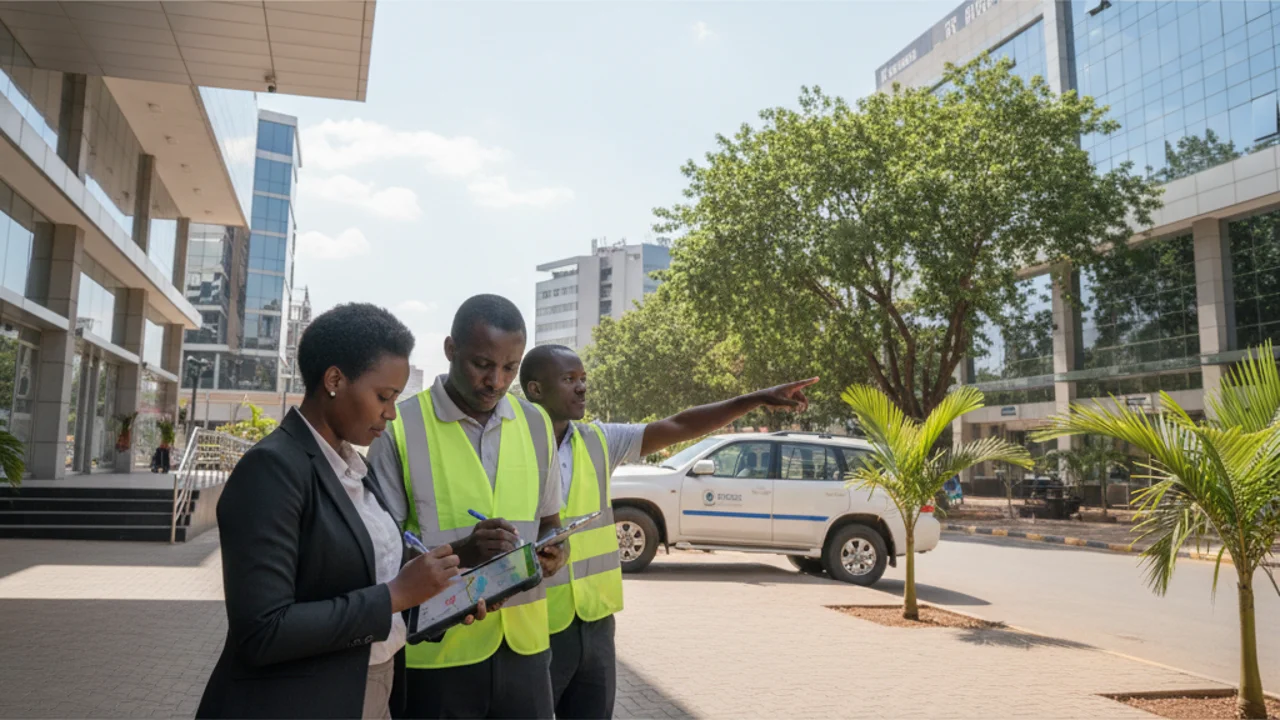
Participating in bank asset auctions in Mombasa involves several key stages, from identifying suitable assets to finalizing the purchase. Typically, banks appoint licensed auctioneers to manage the sale of repossessed properties and vehicles. The process begins with the public advertisement of assets in local newspapers and auctioneers' websites, specifying the date, time, and location of the auction, often at designated sites or the auctioneer's premises in Mombasa. Interested bidders are encouraged to conduct due diligence, including physical inspection of the assets and reviewing any available documentation, such as title deeds or logbooks, before the auction date. On the day of the auction, bidders must register and often pay a refundable deposit to obtain a bidding card. The auction itself is conducted transparently, with the highest bidder securing the asset, subject to the reserve price. Immediately after a successful bid, the buyer is usually required to pay a percentage of the purchase price (e.g., 25%) and the balance within a specified period, typically 14 days, as per the memorandum of sale. Swipe Recoveries Experts Ltd facilitates this entire process, providing potential buyers with information, inspection access, and ensuring all legalities are met for a seamless acquisition.
Debt Recovery & Auctioneering Coverage in Mombasa, Kenya
Swipe Recoveries Experts Ltd provides commercial recovery, skip tracing, and auctioneering services across Mombasa, Kenya and all 47 counties in Kenya.
Understanding Costs and Fees for Bank Asset Auctions in Mombasa
When engaging in bank asset auctions in Mombasa, it's essential to understand the associated costs and fees beyond the winning bid. For buyers, the primary costs include the hammer price of the asset, transfer fees (e.g., stamp duty for properties, transfer fees for vehicles as per NTSA rates), and legal fees for conveyance. For financial institutions, the costs include auctioneer's fees, which are regulated by the Auctioneers Act. Typically, auctioneers' commission for chattel property (e.g., vehicles) can range from 2.5% to 5% of the sale price, and for immovable property (land/buildings) it's often a tiered structure, e.g., 2.5% on the first KES 100,000 and 1.25% on the remainder, subject to a minimum. Other costs include advertising (gazettement, newspaper ads), valuation reports, storage fees for movable assets, and any necessary security during the repossession phase. For a vehicle sold for KES 1,500,000, the auctioneer's commission could be approximately KES 37,500 - KES 75,000, plus advertising and other out-of-pocket expenses. Swipe Recoveries Experts Ltd provides transparent fee structures and detailed breakdowns, ensuring all parties are fully aware of their financial obligations and legal requirements.