Professional Sale of Personal and Repossessed Assets
When searching for licensed auctioneers individual assets are entrusted to, professionalism and a deep understanding of the legal process are non-negotiable. Whether you are a creditor seeking to recover a debt against an individual's property or an individual looking to voluntarily liquidate assets, Swipe Recoveries Experts Ltd is your definitive partner in Nairobi. We specialize in the compliant and efficient handling of a wide range of individual assets, from motor vehicles and household goods to parcels of land. Our process ensures that all actions are grounded in Kenyan law, specifically the Auctioneers Act, providing peace of mind and maximising financial outcomes for our clients.
Legal Compliance for Auctioning Different Asset Types
Auctioning individual assets in Kenya is a legally regulated process that differs based on the asset type. For movable assets, such as vehicles, electronics, and furniture, the Auctioneers Act (Cap. 526) and the Sale of Goods Act provide the primary framework. If an asset like a car is being sold to recover a debt, the creditor must have a legal right to seize it, often established through a court order (Warrant of Attachment and Sale) or a security instrument like a logbook loan agreement or chattel mortgage. The auctioneer must issue a formal proclamation before repossession, giving the debtor a chance to pay.
For immovable assets, such as land or a house, the process is more complex and is governed by the Land Act and Land Registration Act. A creditor (chargee) must issue a series of statutory notices over several months before they can exercise their power of sale. The auctioneer's role is to conduct the public sale once these legal prerequisites are met. Swipe Recoveries Experts Ltd ensures meticulous compliance for every asset class. We verify all legal documentation, from court warrants to statutory notices and title deeds, ensuring every auction we conduct is legally sound and immune to challenges, protecting both the creditor's and buyer's interests.

The Procedure: Seizing and Selling Individual Assets Lawfully
The procedure for instructing an auctioneer to handle individual assets must be systematic to ensure legality and effectiveness. It begins with a clear instruction from a creditor or owner, supported by the right legal documentation.
1. Warrants or Security Instruments: In a debt recovery scenario, the process is initiated by a Warrant of Attachment and Sale issued by a court, or a valid security instrument. This document empowers the auctioneer to act. Our team at Swipe Recoveries, based at International Life Hse, Mama Ngina Street, first verifies the validity and scope of this authority.
2. Proclamation and Inventory: Our licensed auctioneer visits the location of the assets and 'proclaims' them. This involves creating a detailed inventory of the items to be attached and serving a formal notice to the debtor. The debtor is given a statutory period to settle the debt before the goods can be removed.
3. Attachment and Secure Storage: If the debt remains unpaid after the proclamation period expires, our team proceeds with the physical attachment (seizure) of the assets. We arrange for secure transport and storage to prevent damage or loss pending the auction day. For vehicles, this means storage in a secure yard; for household goods, a secure warehouse.
4. Public Auction: Following legal requirements, we advertise the auction in a newspaper of wide circulation. The advertisement specifies the goods for sale, the date, time, and location of the auction. The sale is then conducted publicly, ensuring transparency and achieving the best possible price for the assets.
Understanding the Costs: Fees for Auctioning Personal Assets
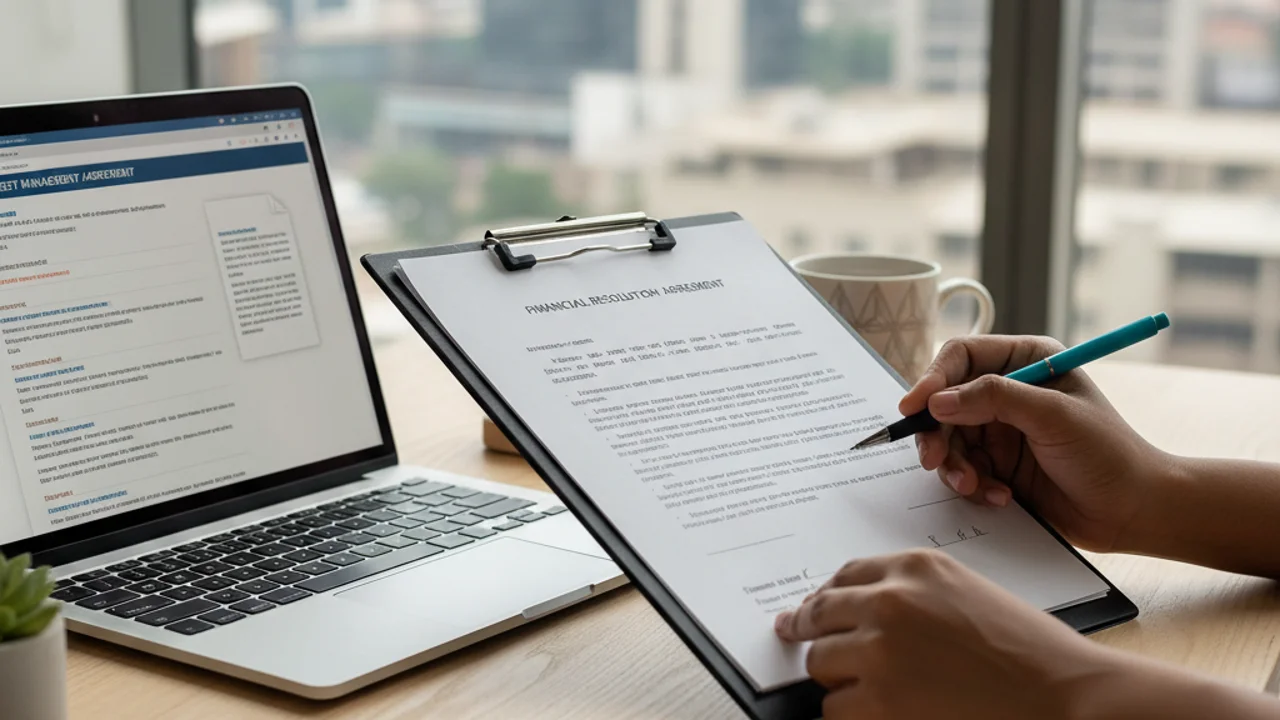
Clients often ask about the costs associated with auctioning individual assets. At Swipe Recoveries, we provide a clear and transparent fee structure based on the Auctioneers Rules. The costs primarily consist of the auctioneer's commission and recoverable disbursements.
The commission is a legally mandated percentage of the proceeds from the sale. It is our primary fee and is only earned upon a successful sale. In addition to commission, disbursements are out-of-pocket expenses required to facilitate the auction. These are billed to the instructing client at cost and may include:
Locksmith and Break-in Costs: If entry to a premises is required under a court order (KES 5,000 - KES 15,000).
Transport and Labour: Costs for moving seized goods to a secure storage location.
Storage Fees: Charged per day/week depending on the size and nature of the assets (e.g., KES 1,000 per day for a standard vehicle).
Newspaper Advertisement: A mandatory cost to publicize the auction (KES 20,000+).
Valuation Report: Fee for an independent valuation to set a reserve price.
Before commencing any assignment, we provide our clients with a detailed estimate of anticipated costs. This ensures there are no surprises and allows for clear financial planning throughout the recovery process.