Navigating the Legal Landscape of Auctions in Kenya
Understanding the precise auction procedure details in Kenya is crucial for both sellers seeking to dispose of assets and buyers looking for opportunities. Auctions in Kenya are governed by specific laws and regulations designed to ensure transparency, fairness, and legal validity. Whether it's for land, vehicles, or movable assets, the process requires meticulous adherence to statutory notices and public pronouncements. Swipe Recoveries Experts Ltd, operating from our strategic location at International Life Hse, 8th Floor, Mama Ngina Street, Nairobi, provides expert auctioneering services, ensuring every step of the procedure is executed flawlessly. Our commitment to compliance and efficiency makes us the trusted partner for all your auction needs, providing clarity in complex legal environments.
Statutory Framework for Auction Proceedings in Kenya
The fundamental legal instrument governing auctions in Kenya is the Auctioneers Act Cap 526 of the Laws of Kenya, along with its subsidiary legislation, the Auctioneers Rules. This Act outlines the licensing requirements for auctioneers, their duties, responsibilities, and the procedures they must follow. Key provisions include mandates for public notices, proper identification of goods, and adherence to specific timelines for sale. For secured assets, additional legislation such as the Land Act 2012, the Land Registration Act 2012 (for land-related collateral), and the Hire Purchase Act Cap 507 (for certain movable assets) also come into play.
These laws collectively ensure that the rights of both creditors (e.g., mortgagees, chargees) and debtors (e.g., mortgagors) are protected throughout the auction process. Compliance with these statutory frameworks is non-negotiable, as any procedural irregularities can lead to the nullification of an auction sale by the High Court of Kenya. Swipe Recoveries Experts Ltd is staffed by licensed and experienced auctioneers who possess an intricate understanding of these legal requirements, guaranteeing lawful and defensible auction outcomes from our Nairobi headquarters.

Step-by-Step Auction Procedure Details with Swipe Recoveries
Our comprehensive auction procedure details ensure a transparent and legally sound process from instruction to final sale. The journey begins with the client issuing instructions to auction, accompanied by the necessary legal documents (e.g., court orders, letters of instruction from lenders, charge documents). Following this, a professional valuation report of the assets to be auctioned is obtained from a registered valuer, establishing a reserve price.
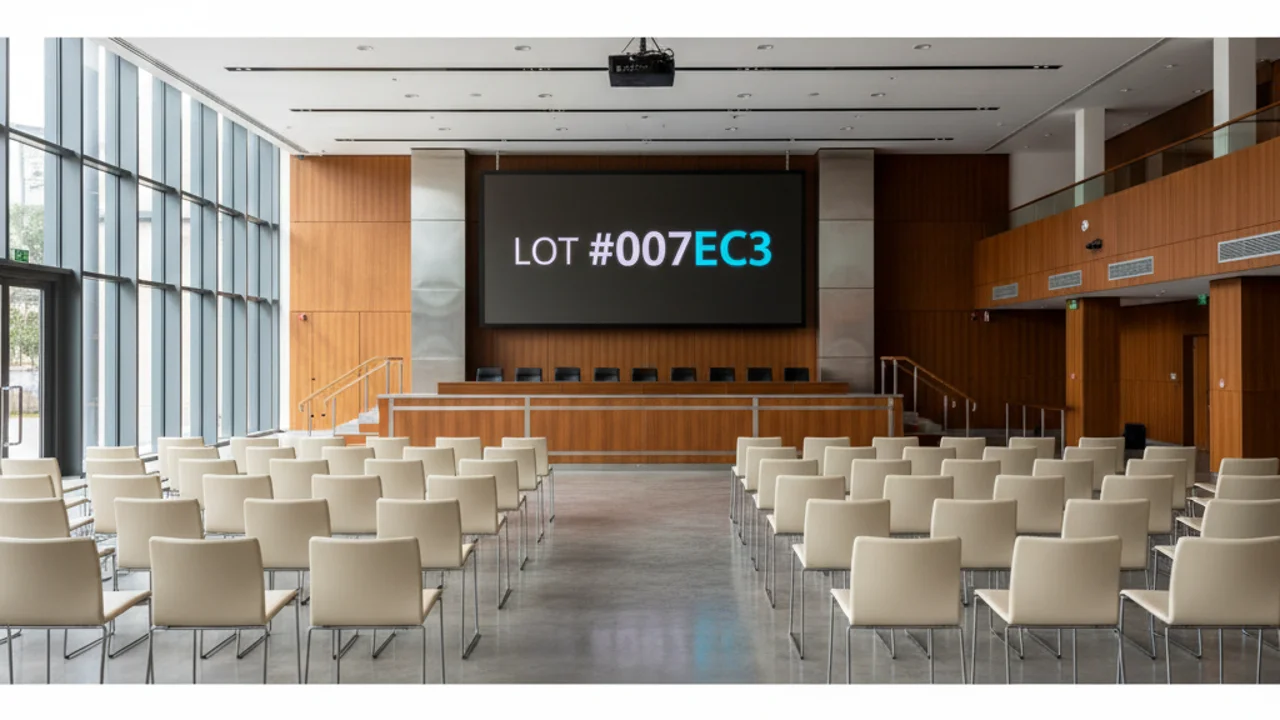
The next crucial step involves issuing statutory notices, which include serving demand notices to the debtor and publishing public auction notices. These notices are typically published in local daily newspapers of wide circulation and in the Kenya Gazette, providing at least 14 to 45 days' notice depending on the asset and legal instrument. Before the auction day, assets are made available for public viewing to allow interested buyers to inspect them. On the auction day, conducted at a public venue, bidding takes place, and the highest bidder secures the asset. The buyer is usually required to pay a deposit (e.g., 25%) on the spot, with the balance paid within a specified period, typically 14 or 30 days. Swipe Recoveries Experts Ltd manages every stage meticulously, ensuring full compliance and efficient execution for all parties involved.
Costs, Fees, and Practical Guidance for Auctions in Kenya
Understanding the costs associated with the auction procedure details is essential for effective financial planning. Key cost components include valuation fees, which vary based on the asset type and complexity, typically ranging from KES 15,000 to KES 100,000+ for standard assets. Advertising costs for public notices in newspapers and the Kenya Gazette can range from KES 10,000 to KES 50,000+ per insertion, depending on publication and size.
The primary fee for an auctioneer is typically a commission on the gross sale price. For immovable property (e.g., land, buildings), this commission is often around 2% to 5% of the sale price, plus 16% VAT. For movable property (e.g., vehicles, office assets), the commission can be higher, ranging from 5% to 10% of the sale price, plus VAT. Other potential costs include legal fees for drafting conveyance documents and logistics for asset handling. Swipe Recoveries Experts Ltd provides transparent fee structures and offers practical guidance, ensuring clients in Nairobi and across Kenya achieve optimal outcomes without hidden charges. We prioritize clear communication on all cost implications.