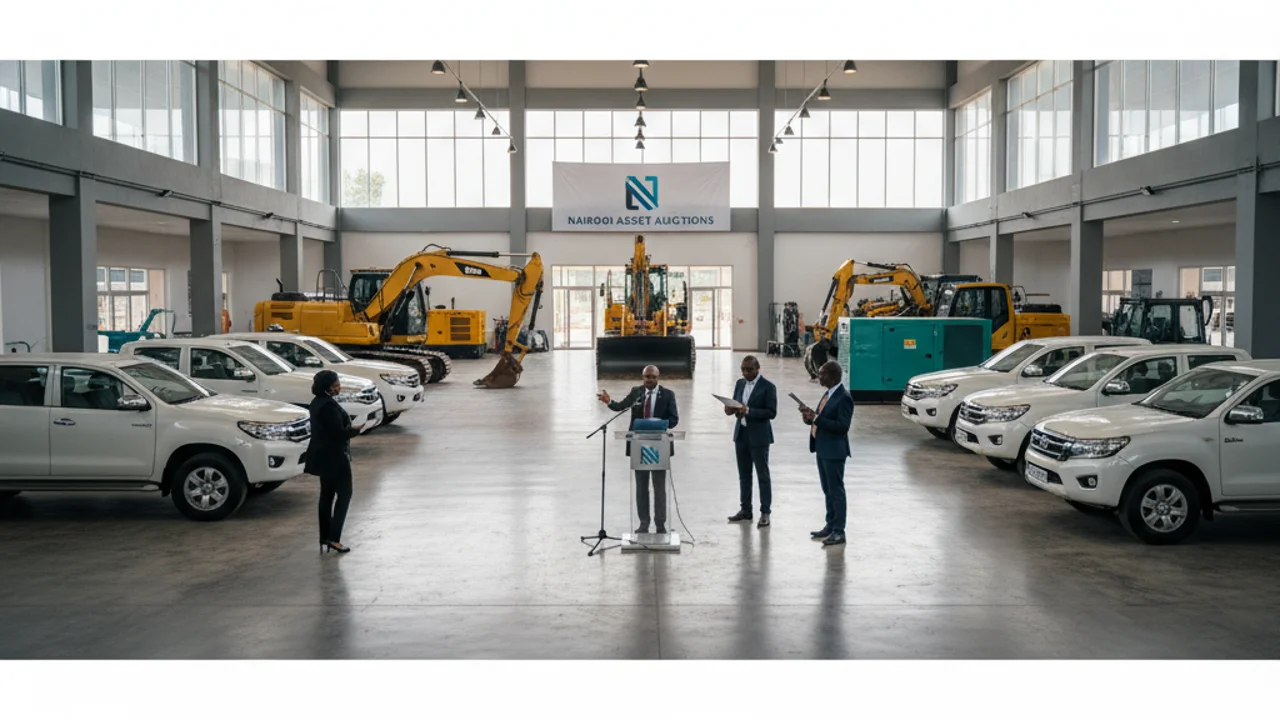
Understanding the Dynamics of Auction Prices in Nairobi
Navigating the world of auctions can be complex, especially when trying to understand auction prices Nairobi. Whether you're a potential buyer seeking value or a seller looking to realize maximum returns, grasping the factors that influence these prices is crucial. At Swipe Recoveries Experts Ltd, our auctioneering division provides transparent insights into the valuation and bidding processes within Nairobi's vibrant auction market. We specialize in providing fair market assessments and managing the sale of various assets, ensuring compliance with the stringent requirements of the Auctioneers Act Cap 526. Our expertise helps both creditors and debtors understand the realistic expectations and potential outcomes when assets are put up for public sale in Kenya's capital.
Key Factors Influencing Auction Prices and Valuation
Several critical factors dictate the final hammer price achieved at auctions in Nairobi, often diverging from conventional retail values. Primarily, the principle of 'as is, where is' profoundly impacts bidding, as buyers assume all responsibility for the item's condition. The asset's perceived value is directly influenced by its condition, age, rarity, and market demand at the time of sale. For real estate, factors like location (e.g., proximity to landmarks in Nairobi CBD), accessibility, zoning, and potential for development play significant roles. For chattels like vehicles or machinery, brand, mileage, and maintenance history are paramount.
Economic conditions, including inflation rates and interest rates set by the Central Bank of Kenya (CBK), also exert pressure on auction prices. A booming economy might see higher bids, while a downturn could lead to lower realizations, especially for distressed assets. Crucially, the level of competition among bidders on the day of the auction is a major determinant; more interested parties typically drive prices upward. Professional valuations, conducted by registered valuers, often establish a 'forced sale value' (FSV) which is typically lower than the 'open market value' (OMV), especially in distress sales. Swipe Recoveries ensures that all assets are thoroughly assessed and publicly advertised as per legal requirements, such as those stipulated by the Auctioneers Board of Kenya, to attract a wide pool of informed bidders.

The Auction Process: Determining Prices and Compliance
The process of setting and realizing auction prices in Nairobi is highly regulated to ensure fairness and transparency for all parties. Before any asset is put up for auction, a valuation is conducted to establish a reserve price, which is the minimum acceptable bid, though sometimes assets are sold without reserve. Public notification is a legal requirement, with advertisements placed in prominent local newspapers (e.g., Daily Nation, The Standard) and sometimes on the auctioneer’s premises, detailing the items, viewing dates, and the auction date and venue. This public access aims to maximize bidder participation and achieve competitive prices.
On the auction day, a registered auctioneer from Swipe Recoveries Experts Ltd conducts the sale, inviting bids. Bidders are often required to place a refundable deposit to participate. The auction progresses with rising bids, culminating when the auctioneer’s hammer falls, signifying the sale to the highest bidder, provided the reserve price is met. All procedures must strictly adhere to the Auctioneers Act Cap 526 and its regulations, which govern licensing, conduct, and reporting. This legal oversight prevents price manipulation and ensures that the sale is legitimate and binding. From our office at International Life Hse, Mama Ngina Street, we manage every step, from valuation to successful transfer, ensuring a compliant and efficient process for all types of assets.
Debt Recovery & Auctioneering Coverage in Nairobi, Kenya
Swipe Recoveries Experts Ltd provides commercial recovery, skip tracing, and auctioneering services across Nairobi, Kenya and all 47 counties in Kenya.
Fee Structure & Cost Implications for Auction Services

Understanding the fee structure associated with auction services is vital for both sellers and buyers in Nairobi. For sellers (creditors or asset owners), auctioneer fees are typically a percentage of the hammer price achieved. This commission can range from 5% to 15%, depending on the asset type, value, and complexity of the sale. For instance, high-value real estate might incur a lower percentage, while chattels could attract a higher rate. Additionally, costs for valuation reports (starting from KES 10,000 - KES 50,000+ depending on asset), advertising in newspapers (KES 5,000 - KES 20,000+ per insertion), security, and storage might be incurred.
For buyers, the primary cost is the bid price itself. However, buyers should also factor in a 'buyer's premium' which is a percentage added to the hammer price by some auction houses (typically 5-10%), and Value Added Tax (VAT) on the premium. Legal fees for transfer of ownership, especially for properties (e.g., KES 20,000 to KES 100,000+ for conveyancing), and stamp duty (4% for urban property, 2% for rural property of transfer value) are also significant. Swipe Recoveries Experts Ltd provides a detailed breakdown of all expected costs upfront, ensuring transparency and no hidden charges, helping clients navigate the financial aspects of auctions in Nairobi effectively.