Navigating Auction Charges in Kenya
For anyone involved in the sale or acquisition of assets through public sale, understanding auction charges Kenya is paramount. These charges, levied by licensed auctioneers, cover the costs associated with the auction process, including advertising, valuation, storage, and the actual sale event. Navigating these fees requires an understanding of the legal framework and common practices to ensure transparency and compliance. Swipe Recoveries Experts Ltd provides clear insights into these costs, ensuring clients are fully informed before engaging in any auction activity across Kenya.
Legal Framework Governing Auctioneers in Kenya
The operations and fee structures of auctioneers in Kenya are primarily governed by the Auctioneers Act, Cap 526 of the Laws of Kenya, along with its subsidiary legislation, the Auctioneers Rules. This comprehensive legal framework outlines the licensing requirements for auctioneers, their powers, duties, and most critically, the maximum fees they can charge for various services. These rules aim to protect both the seller and buyer by ensuring fair and regulated practices. The Act specifies different fee schedules for the sale of movable and immovable property (land and buildings), often set as a percentage of the realised sale price. For instance, Schedule I of the Auctioneers Rules details the percentages for properties, while Schedule II addresses movable goods. Compliance with these statutory provisions is mandatory for all licensed auctioneers operating within the Republic of Kenya. Professional bodies, although not directly setting charges, advocate for ethical conduct in line with these laws. Swipe Recoveries Experts Ltd ensures strict adherence to these legal stipulations, providing clients with services that are both effective and legally sound.
Types of Auctioned Assets and Associated Procedures
Auction charges in Kenya vary significantly depending on the type of asset being auctioned and the specific circumstances leading to the auction. Common types of auctioned assets include real estate (land and buildings), movable goods (vehicles, machinery, household items), and distress for rent items. Each category follows distinct procedural guidelines. For immovable property, the process typically involves public notices, valuation by a registered valuer, and a legally stipulated advertising period before the auction. Charges for such sales are often a lower percentage compared to movable goods due to higher value. Movable goods, especially those from loan defaults or distress for rent, may have quicker turnaround times. The Civil Procedure Act and Land Act often underpin the court orders or warrants that necessitate these auctions. Understanding the specific legal basis (e.g., mortgage repossessions under the Land Act, or execution of court judgments) is crucial as it dictates the required procedural compliance, including the involvement of the Kenya Police Service during execution. Our expert team at Swipe Recoveries Experts Ltd meticulously handles these procedures to ensure a smooth, legal, and efficient auction process, minimizing potential disputes.
Debt Recovery & Auctioneering Coverage in Kenya
Swipe Recoveries Experts Ltd provides commercial recovery, skip tracing, and auctioneering services across Kenya and all 47 counties in Kenya.
Detailed Breakdown of Auction Charges in KES

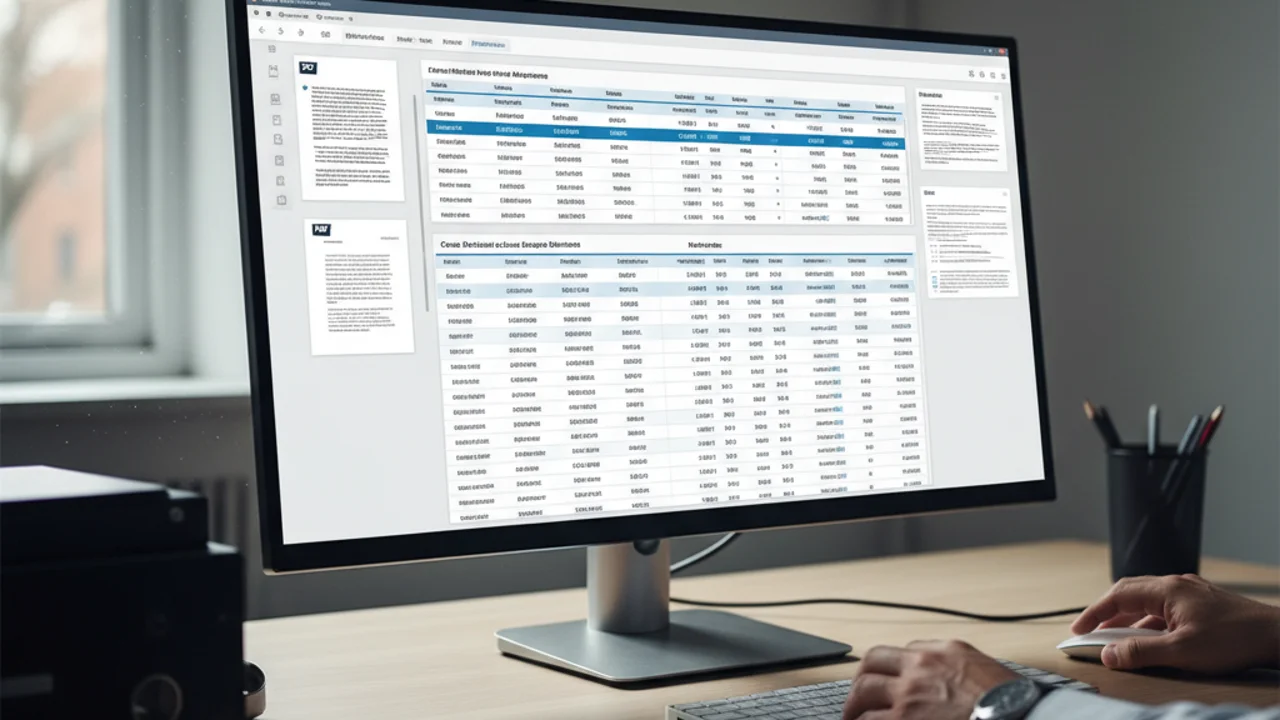
The auction charges Kenya for both movable and immovable property are generally calculated as a commission based on the gross amount realized from the sale, in addition to certain allowable disbursements. For immovable property, the Auctioneers Rules stipulate charges such as KES 10,000 for the first KES 40,000 of the sale price, and then a reduced percentage (e.g., 2.5% to 5%) on the remaining amount, up to a certain cap. For movable property, the percentages tend to be higher, often ranging from 5% to 10% of the proceeds, depending on the value and type of goods. Additionally, auctioneers are entitled to recover legitimate out-of-pocket expenses known as disbursements. These can include costs for gazette notices, newspaper advertisements (often a significant component), security, storage of goods, transport, and valuation fees. All these disbursements must be properly documented and justifiable. Furthermore, Value Added Tax (VAT) at the prevailing rate (currently 16%) is applicable to the auctioneer's commission. It's important to note that while the rules set maximums, professional auctioneers like Swipe Recoveries Experts Ltd strive to offer competitive and transparent rates, ensuring clients understand every component of the charges they incur.