Finding and Navigating Official Kenyan Auctions
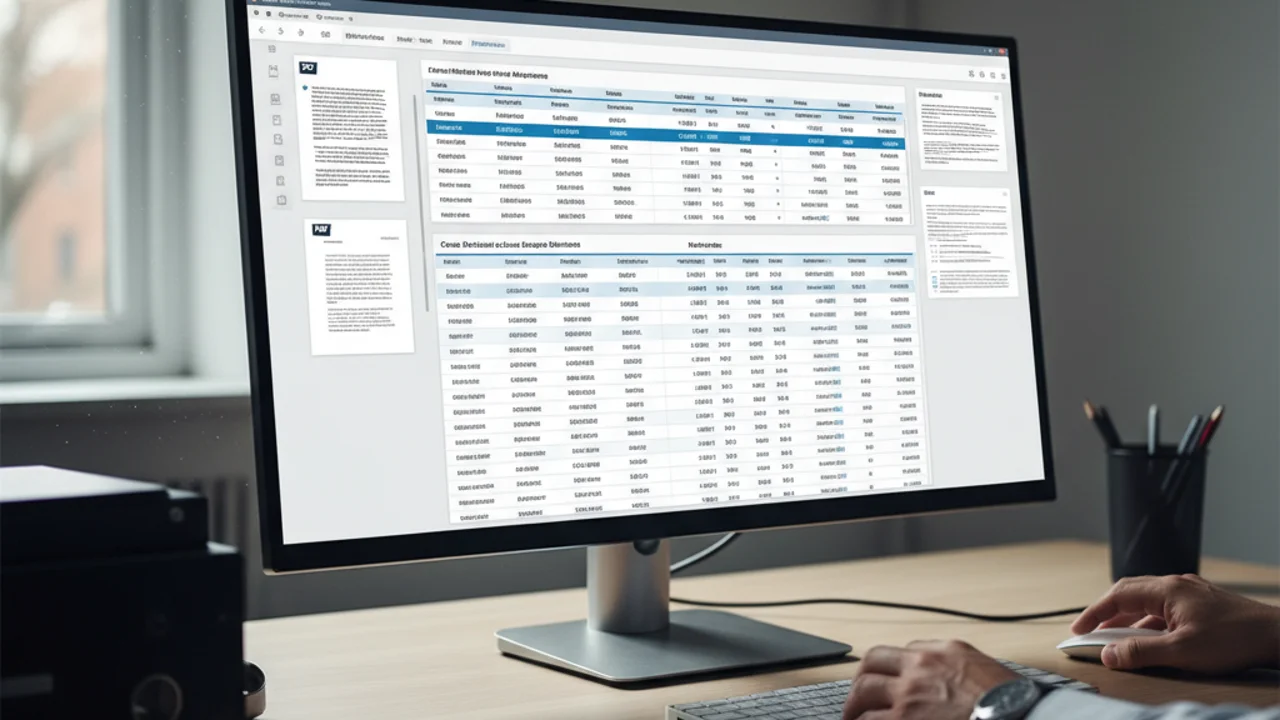
Accessing a reliable auction calendar Kenya provides the first crucial step for investors and buyers looking to acquire assets like vehicles, land, and machinery at competitive prices. These auctions, managed by licensed professionals, are the final stage of a legal debt recovery or asset disposal process. Understanding this calendar involves more than just knowing dates; it requires insight into the legal notices published in the Kenya Gazette and major newspapers, the types of assets available, and the specific requirements for participation. A comprehensive auction schedule is your gateway to significant opportunities, but navigating it effectively requires expertise and a clear understanding of the underlying procedures governed by Kenyan law. At Swipe Recoveries Experts Ltd, we not only manage auctions for our clients but also provide clarity on this dynamic market.
The Legal Framework: Understanding the Auctioneers Act and Public Notices
All public auctions in Kenya are strictly regulated to ensure fairness and transparency. The primary legislation governing this process is the Auctioneers Act (Cap 526) of the Laws of Kenya, along with the accompanying Auctioneers Rules, 2017. This framework mandates how, when, and where auctions can be conducted. A critical legal requirement is the public notification of an impending auction. According to the Act, a licensed auctioneer must provide a public notice of sale, which is typically done through advertisements in one or more newspapers of nationwide circulation. Furthermore, for immovable property like land and buildings, a formal notice must be published in the Kenya Gazette, the official publication of the government.
These notices are the foundation of the auction calendar. They must contain specific details, including the date, time, and location of the auction, a clear description of the goods or property for sale, and the conditions of the sale. The purpose of these stringent notification rules, enforced by the Auctioneers Licensing Board, is to protect all parties involved—the creditor (e.g., a bank), the debtor, and potential bidders. It ensures that the asset is sold in a public forum, theoretically fetching the best possible market price. Any auction conducted without adhering to these notification procedures can be legally challenged and declared void, highlighting the importance of working with a compliant and professional firm.

How to Participate: A Step-by-Step Guide to Kenyan Auctions
Participating in a Kenyan auction is a structured process. Once you have identified an item of interest from an auction calendar, follow these essential steps to ensure you are prepared.
1. Verify the Auction and View the Assets: Before the auction day, contact the auctioneer listed in the advertisement to confirm the details. The notice will specify a viewing period. It is absolutely crucial to physically inspect the asset (e.g., a vehicle, machinery, or property). For vehicles, this is the time to check the engine, chassis number, and overall condition. For properties, conduct a site visit and consider performing a title search at the relevant Land Registry to check for any encumbrances.
2. Understand the Bidding Requirements: Most auctions require a refundable bidding deposit to ensure only serious bidders participate. This amount is clearly stated in the public notice and is typically a percentage of the estimated value or a fixed sum, often ranging from KES 50,000 to KES 500,000 or more, payable via a banker's cheque. You will need your National ID or Passport and KRA PIN certificate to register as a bidder.
3. The Bidding Process and Final Payment: On auction day, registered bidders compete. The highest bidder wins. If you are the successful bidder, you are typically required to pay a percentage of the purchase price immediately—often 25% of the bid amount. The remaining 75% is due within a stipulated period, usually 30, 60, or 90 days, as specified in the conditions of sale. Failure to complete the payment within this timeframe results in the forfeiture of your entire deposit, and the property may be re-offered for sale.
Debt Recovery & Auctioneering Coverage in Kenya
Swipe Recoveries Experts Ltd provides commercial recovery, skip tracing, and auctioneering services across Kenya and all 47 counties in Kenya.
Associated Costs and Practical Considerations

Beyond the winning bid amount, prospective buyers must budget for several other costs. The most significant is the initial deposit required to bid. If your bid is successful, this deposit forms part of the purchase price. However, if you fail to complete the payment, this deposit (often a substantial sum like KES 250,000 or more) is forfeited entirely. Therefore, it's vital to have your finances in order before you even attend the auction.
After a successful purchase, other costs come into play. For vehicles, you will be responsible for transfer fees payable to the National Transport and Safety Authority (NTSA). For land and property, you will incur legal fees for conveyance, valuation fees, stamp duty (typically 4% of the property's value in urban areas and 2% in rural areas), and registration fees. Remember that all assets are sold on an "as-is, where-is" basis. This means the buyer is responsible for any repairs, outstanding utility bills (for property), or other issues discovered after the sale. The auctioneer's commission is paid by the instructing client (the creditor), not the buyer, but all other costs fall on the successful bidder.