Professional & Compliant Asset Disposal Solutions
Choosing the right asset disposal company in Kenya is a critical business decision that impacts your bottom line, data security, and legal compliance. Whether your organization is upgrading equipment, managing fleet vehicles, or closing a department, the disposal of surplus or end-of-life assets must be handled strategically. An improper process can lead to financial losses, data breaches, and non-compliance with environmental regulations. Swipe Recoveries Experts Ltd provides a comprehensive asset disposal service for corporations, SMEs, and public institutions across Kenya. We specialize in maximizing financial returns while ensuring every disposal is conducted in line with all relevant statutory requirements, including data protection and environmental laws, giving you complete peace of mind.
Compliance in Asset Disposal: PPADA & NEMA Regulations
For public entities in Kenya, asset disposal is strictly governed by the Public Procurement and Asset Disposal Act (PPADA), 2015. This Act mandates a transparent, competitive, and fair process, often through public auction, to ensure public resources are managed effectively and that the government gets the best value. As an experienced asset disposal company, Swipe Recoveries helps public bodies navigate these requirements, from forming a board of survey to executing the disposal plan and providing detailed reports for audit purposes. For private companies, while PPADA may not apply directly, its principles represent best practice. Furthermore, all organizations must comply with the Data Protection Act, 2019, when disposing of IT assets like computers and servers. This involves ensuring all sensitive company and client data is irretrievably destroyed. Additionally, the disposal of electronic waste (e-waste) is regulated by the National Environment Management Authority (NEMA). We ensure that all e-waste is channeled to licensed recyclers, preventing environmental harm and keeping your organization compliant.

Our Professional Asset Disposal Process
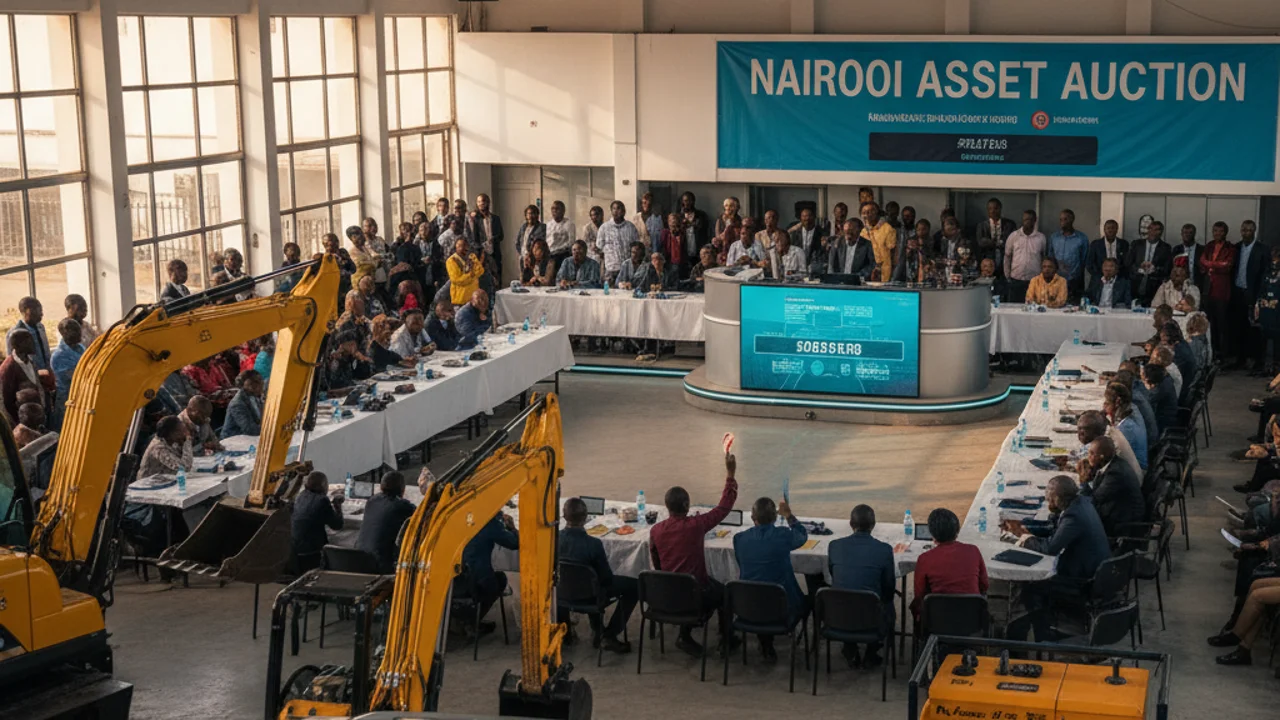
Our structured process guarantees efficiency, transparency, and maximum value recovery. Step 1: Asset Inventory and Valuation: Our team conducts a thorough audit of the assets for disposal. We catalogue each item—from vehicles and industrial machinery to office furniture and IT equipment—and perform a professional valuation to determine its current market value. Step 2: Strategy and Method Selection: Based on the asset type and client goals, we recommend the most suitable disposal method. This could be a public auction to attract competitive bidding, a private treaty sale for specialized equipment, or a sealed-bid tender for high-value items. Step 3: Secure Logistics and Marketing: We manage the secure collection, transportation, and storage of assets. Our marketing team then creates a targeted campaign to reach the right buyers across Kenya, using online listings, direct marketing, and newspaper advertisements to generate maximum interest. Step 4: Execution and Data Destruction: We execute the sale, managing the bidding process, collection of payments, and handover of assets. For all IT assets, we perform certified data wiping or physical destruction to guarantee data security, providing a certificate of destruction for your records. Step 5: Reporting and Reconciliation: Upon completion, we provide a detailed report outlining the entire process, including the assets sold, prices achieved, and a full financial reconciliation.
Debt Recovery & Auctioneering Coverage in Kenya
Swipe Recoveries Experts Ltd provides commercial recovery, skip tracing, and auctioneering services across Kenya and all 47 counties in Kenya.
Asset Valuation and Disposal Fee Structure (KES)

A key function of an asset disposal company in Kenya is accurate valuation. We assess assets based on their condition, age, brand, and current market demand, providing a clear distinction between book value and realistic resale value. This transparent valuation helps set realistic expectations and informs the disposal strategy. Our fee structure is straightforward and designed to align with your success. For most disposal projects, our remuneration is a commission-based fee charged on the gross proceeds of the sale. This commission typically ranges from 7% to 15%, depending on the volume, value, and complexity of the assets. For example, disposing of a fleet of high-value vehicles might attract a lower percentage than a large collection of miscellaneous office furniture. For specific services, such as data destruction or standalone valuation reports, we may charge a fixed fee. A typical fixed fee for certified data destruction could range from KES 1,500 to KES 5,000 per unit, depending on the volume. All costs and fees are agreed upon upfront before any engagement begins.