Unlocking Value in Business Assets and Equipment
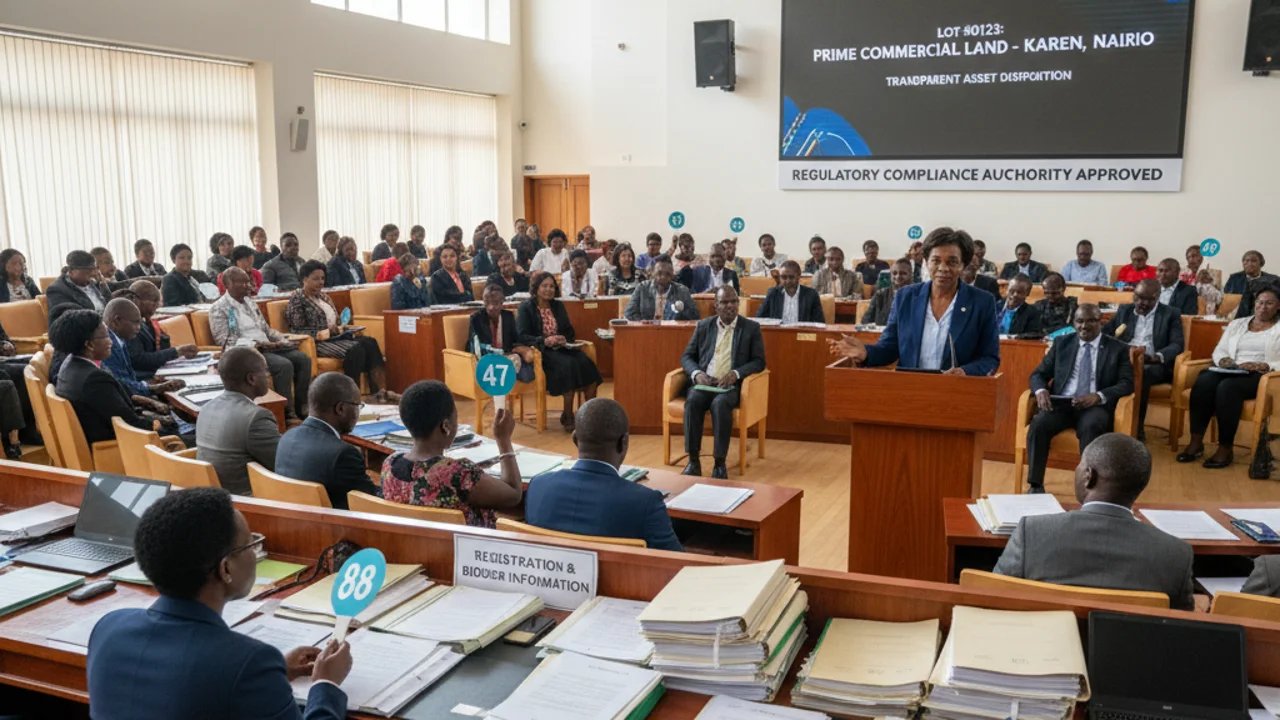
Strategic participation in commercial asset auctions in Kenya presents a significant opportunity for businesses and investors. These auctions are the primary channel for acquiring or liquidating a vast range of business assets, from heavy industrial machinery and construction equipment to entire lots of office furniture and commercial vehicles. They arise from various situations, including company liquidations, fleet upgrades, or insolvency proceedings. Swipe Recoveries Experts Ltd is at the forefront, providing expert auctioneering services for commercial assets. We create a competitive marketplace that ensures fair value for sellers liquidating assets and provides transparent opportunities for buyers looking to expand their operations cost-effectively.
Key Scenarios & Legal Frameworks for Commercial Auctions
Commercial asset auctions in Kenya are driven by several key business scenarios, each governed by a specific legal context. A major driver is business restructuring or insolvency, managed under the Insolvency Act, 2015. When a company enters liquidation or receivership, an appointed insolvency practitioner or receiver will often engage a licensed auctioneer to dispose of all company assets in a transparent and orderly manner to pay off creditors. Another common scenario is when a bank forecloses on a business loan secured by commercial assets like trucks, prime movers, or manufacturing equipment. The process then follows the Movable Property Security Rights Act, 2017.
Furthermore, government agencies like the Kenya Revenue Authority (KRA) may hold auctions to sell goods seized for tax evasion or unclaimed goods at ports. Voluntary auctions also occur when a company is simply upgrading its equipment or vehicle fleet and wishes to dispose of the old assets efficiently. In all these cases, the role of the auctioneer, as licensed under the Auctioneers Act, is to value the assets, market them effectively, and conduct a public auction that achieves the highest possible market price, ensuring all legal and procedural requirements are met.
A Buyer's Guide to Commercial Asset Auctions in Kenya
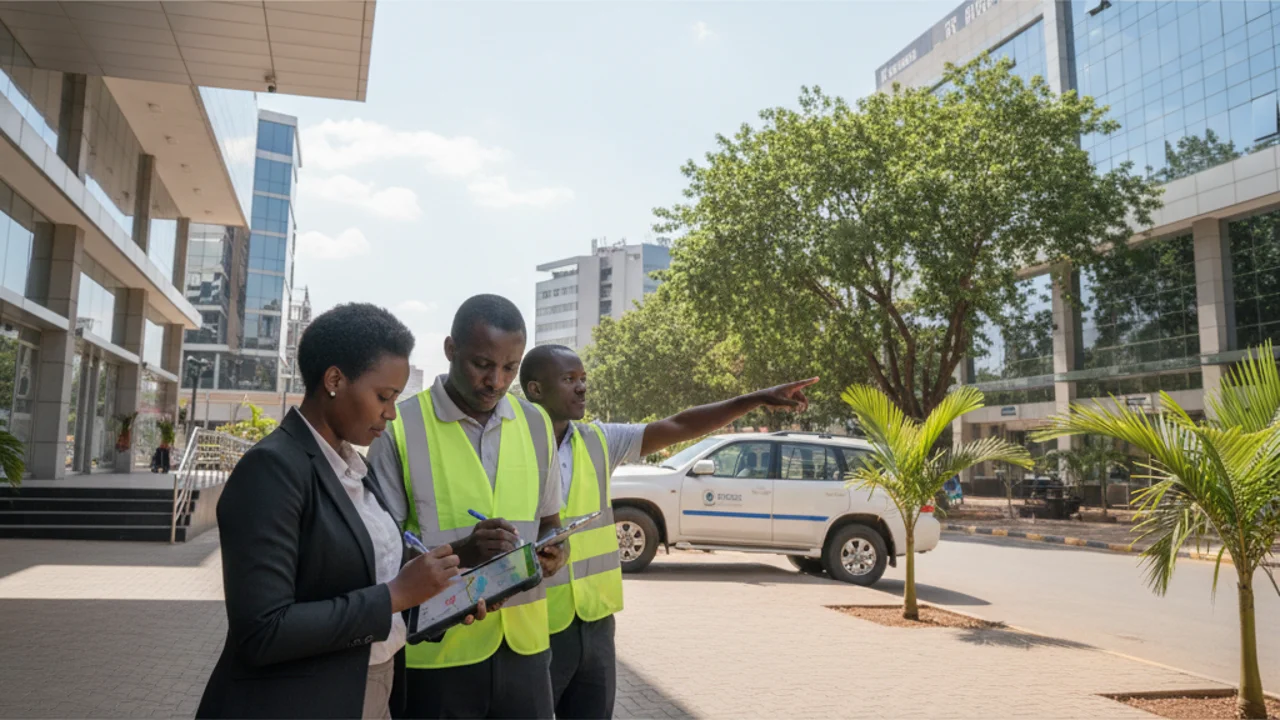
For a buyer, navigating commercial asset auctions successfully requires a strategic approach. The first step is Sourcing & Due Diligence. Actively monitor national newspapers, the Kenya Gazette, and websites of reputable auctioneers like Swipe Recoveries for auction announcements. The advertisement will contain a list of assets (or 'lots'). The most critical step is the pre-auction inspection. For industrial machinery or vehicles, this is your chance to assess the condition, check for service records, and determine the operational status. Assets are sold 'as is', so this due diligence is non-negotiable.
On auction day, you will need to register and pay a refundable bid deposit. The amount will vary based on the value of the assets you are interested in. Commercial auctions often feature 'lotting', where similar items are grouped together. You might bid on a single piece of equipment or an entire lot of 50 office chairs. Understand the bidding increments and stay within your budget. After winning a bid, you must typically arrange for the payment (usually 25% deposit immediately, balance within a set period) and the logistics of removal. For heavy machinery, this involves organizing transport and potentially dismantling, so factor these costs into your bidding price.
Debt Recovery & Auctioneering Coverage in Kenya
Swipe Recoveries Experts Ltd provides commercial recovery, skip tracing, and auctioneering services across Kenya and all 47 counties in Kenya.
Financials of Commercial Auctions: Fees, VAT, and Valuation

The financial components of commercial asset auctions are distinct from other auction types. For buyers, the most important consideration beyond the bid price is Value Added Tax (VAT). Since the assets are commercial goods, the final hammer price is often subject to VAT at the prevailing rate (currently 16% in Kenya). This must be factored into your total acquisition cost. As mentioned, buyers are also responsible for all post-auction costs, including dismantling, loading, and transportation, which can be substantial for heavy industrial equipment.
For sellers (our clients), the costs are primarily the auctioneer's professional fees. The auctioneer's commission is the main fee, calculated on a sliding scale as per the Auctioneers Rules. For example, it might be 10% on the first KES 100,000, 5% on the next KES 900,000, and 3% on the value thereafter. Additionally, the seller bears the costs of advertising the auction (e.g., newspaper ads from KES 30,000 to KES 150,000), security, and storage of the assets pending sale. At Swipe Recoveries, we provide a clear cost projection to our clients before commencing any auction process.