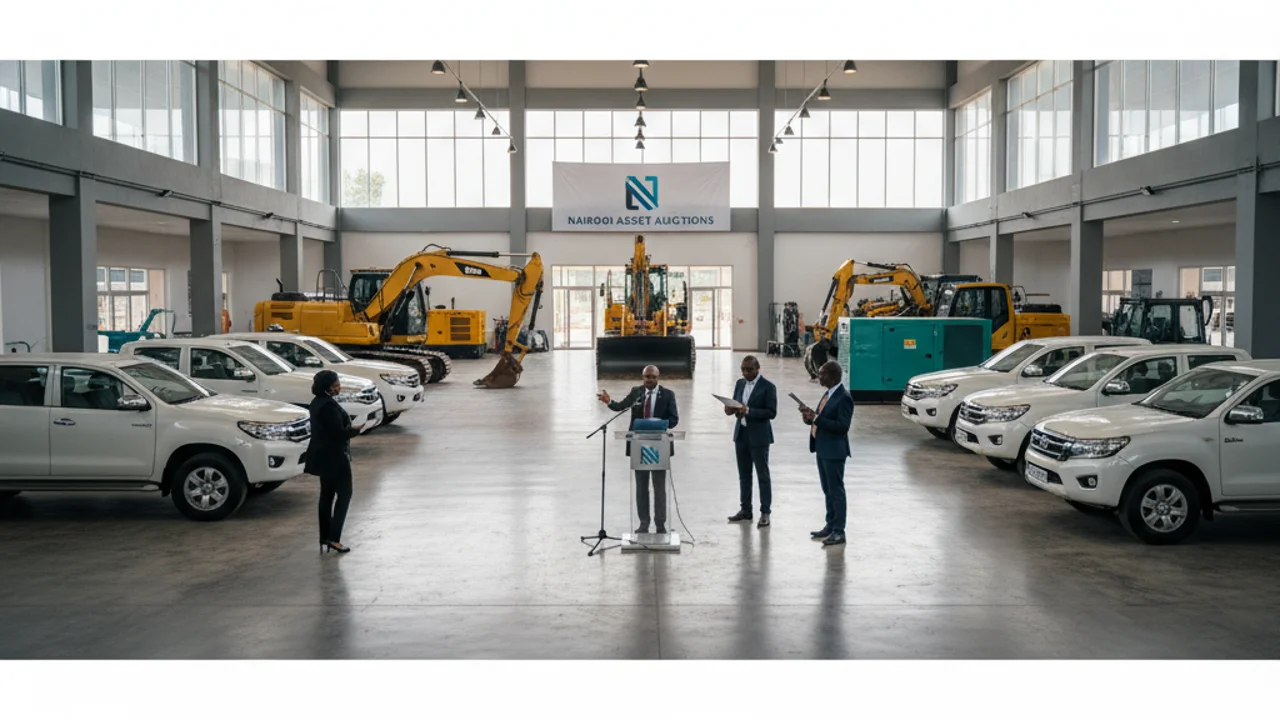
Navigating the Auction Process for Banks in Kenya
For banks in Kenya, understanding the intricacies of the auction process is crucial for the effective recovery of assets linked to defaulted loans. Swipe Recoveries Experts Ltd provides expert guidance and execution services, ensuring that banks can confidently navigate this complex legal and logistical terrain. Our role is to streamline the auction process, from initial legal notices to the final sale, adhering strictly to the procedures outlined in Kenyan law. We aim to maximize asset value and ensure compliance, offering tailored solutions that address the specific needs of financial institutions. Our dedication to results that matter means we manage every stage with precision and professionalism, ensuring a smooth and successful disposal of foreclosed properties and other assets, thereby safeguarding your institution's financial health.
Legal Framework Governing Bank Auctions in Kenya
The auction process for banks in Kenya is rigorously regulated to ensure fairness, transparency, and legal compliance. Key statutes that govern these operations include the Land Act, 2012, and the Insolvency Act, 2015, which detail procedures for the sale of charged properties and assets of insolvent individuals or companies. The Auctioneers Act, 2010, specifically regulates the conduct of licensed auctioneers, who are essential intermediaries in this process. Banks must also adhere to directives from the Central Bank of Kenya (CBK) regarding non-performing loans and asset disposal. Compliance with the Law of Contract Act and civil procedure rules is also essential to avoid legal challenges. Swipe Recoveries Experts Ltd ensures that all auction proceedings, from the issuance of statutory notices like the 30-day redemption notice, to the public auction itself, are conducted in strict accordance with these legal mandates, preventing any potential disputes or delays.

Step-by-Step Guide to the Bank Auction Procedure in Kenya
The bank auction process in Kenya typically follows a structured procedure designed to give debtors an opportunity to redeem their assets while ensuring a fair sale. Firstly, following a default, the bank issues a formal demand letter. If no payment or arrangement is made, the bank, through a licensed auctioneer, serves statutory notices. For secured loans, this includes a 40-day notice of intention to sell under the Land Act, followed by a 30-day redemption notice. The auctioneer then advertises the sale in at least two daily newspapers of national circulation, specifying the date, time, and venue. This is followed by the public auction itself, usually held at the property or a designated location. Swipe Recoveries Experts Ltd meticulously manages each step, including valuation, marketing the auction, conducting the bidding, and ensuring proper transfer of ownership. Our expertise ensures that the process is efficient, transparent, and maximizes the potential sale price for the bank.
Debt Recovery & Auctioneering Coverage in Kenya
Swipe Recoveries Experts Ltd provides commercial recovery, skip tracing, and auctioneering services across Kenya and all 47 counties in Kenya.
Costs, Fees, and Strategic Considerations for Bank Auctions in Kenya

The costs associated with the bank auction process in Kenya are primarily borne by the defaulting borrower, but the bank incurs upfront expenses that are recovered from the sale proceeds. These costs include auctioneer fees, advertising costs (typically ranging from KES 15,000 to KES 50,000+ depending on the publication and size of advertisement), legal fees, and valuation fees. Auctioneer fees are usually calculated as a percentage of the sale price, often between 5% and 10% for movable property and a fixed fee or percentage for immovable property, as stipulated by the Auctioneers Act. Swipe Recoveries Experts Ltd provides clear cost breakdowns and manages these expenses efficiently. Strategic considerations involve accurate property valuation to set a realistic reserve price, effective marketing to attract a wider pool of buyers, and timely execution to minimize holding costs for the bank. Our goal is to ensure that the net proceeds from the auction significantly offset the outstanding debt.