Demystifying the Auctioneer Legal Procedure in Kenya
Understanding the auctioneer legal procedure in Kenya is crucial for anyone involved in the sale or purchase of property, whether movable or immovable, through public auction. This procedure is a highly regulated process designed to ensure fairness, transparency, and adherence to statutory requirements. It primarily involves the enforcement of various court orders, charges, or distress for rent, culminating in the public sale of assets by a licensed auctioneer. Swipe Recoveries Experts Ltd, situated at International Life Hse, 8th Floor, Mama Ngina Street, Nairobi, specializes in overseeing and executing these procedures with utmost diligence and legal compliance, ensuring that all parties' rights are protected while achieving optimal recovery or sale outcomes. Our expertise guarantees a smooth and legally sound auction process.
Statutory Framework: The Auctioneers Act and Rules
The cornerstone of the auctioneer legal procedure in Kenya is the Auctioneers Act (Cap 526) Laws of Kenya, complemented by the Auctioneers Rules. These legislative instruments meticulously outline the qualifications, licensing requirements, and conduct of auctioneers, ensuring professionalism and accountability within the industry. The Act specifies the powers of auctioneers, such as the authority to levy distress for rent, execute court warrants for attachment and sale of property, and conduct sales under charges or mortgages.
Crucially, the Act mandates strict procedures for giving public notice of sale, usually through local newspapers of wide circulation, to ensure maximum transparency and opportunity for potential buyers. It also details the requirement for valuation of goods, establishment of reserve prices (where applicable), and the manner in which public auctions must be conducted. Compliance with these statutory provisions is not merely a formality; it is essential to prevent legal challenges that could invalidate a sale or lead to costly litigation. Swipe Recoveries Experts Ltd ensures that all auctioneering activities we undertake, whether for debt recovery or other purposes, are in absolute alignment with the letter and spirit of the Auctioneers Act and its subsidiary legislation, providing our clients with peace of mind and legally sound transactions.

Step-by-Step Auction Procedure and Essential Requirements
The auctioneer legal procedure follows a strict sequence of steps, beginning with the issuance of instructions to a licensed auctioneer. For instances such as debt recovery, this often involves a court order, decree, or a warrant of attachment and sale obtained from a competent court (e.g., Magistrate's Court, High Court). The key requirements from the instructing party include a valid court order, a decree, or a letter of instruction detailing the property to be attached and sold, and the outstanding amount. Upon receiving instructions, the auctioneer issues a Proclamation of Attachment and Sale, which is a formal notice to the debtor about the impending auction. This proclamation must be served in accordance with the law and prominently affixed to the property.
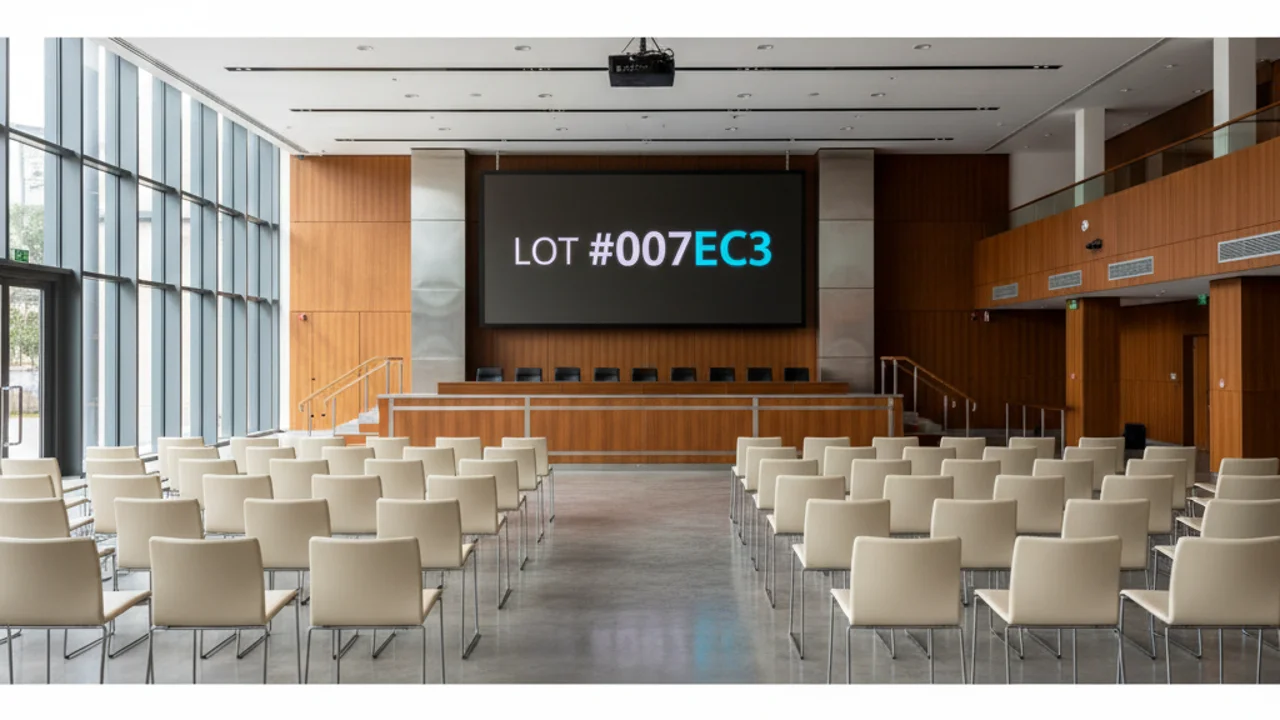
Before the public auction, the property must be valued by a reputable valuer to ascertain its market value, and a reserve price may be set. Public notice of the auction, including details like date, time, venue, and description of the property, must be advertised in local newspapers, typically 7-14 days before the sale, as per the Auctioneers Rules. On the day of the auction, the auctioneer conducts the sale as stipulated by law, recording bids and declaring the highest bidder as the purchaser. All sales must be concluded strictly by cash or banker's cheque unless otherwise specified by a court order. Swipe Recoveries Experts Ltd manages this entire procedure, from obtaining necessary legal mandates to the final sale, ensuring every step is executed precisely and compliantly.
Auction Fees, Costs, and Practical Considerations

Understanding the costs associated with the auctioneer legal procedure is vital for planning and budgeting. Auctioneer fees in Kenya are regulated by the Auctioneers Act and its Rules, usually calculated as a percentage of the gross proceeds of sale, or as a fixed charge for specific services. For instance, for distress for rent, charges might be KES 2,000 for proclaimed goods, plus a commission of 5% of the proceeds for the first KES 100,000 and 2.5% for the remainder. For execution of court warrants, commission rates are often similar. Other costs include valuation fees (typically KES 10,000 to KES 50,000+ depending on asset complexity), advertising costs for public notices (ranging from KES 5,000 to KES 20,000+ per advert), storage costs for seized movable assets, and legal fees for obtaining court orders.
Swipe Recoveries Experts Ltd provides a detailed breakdown of all anticipated costs before commencing any auction procedure, ensuring transparency and no hidden charges. We offer practical guidance on how to optimize the auction process to maximize recovery value, including strategies for setting realistic reserve prices and effective marketing of assets. Our experienced team ensures that all statutory fees are correctly applied and that the entire process is conducted cost-effectively, safeguarding the financial interests of our instructing clients while maintaining the highest standards of legal and ethical conduct. Our proactive communication keeps clients informed at every stage.