Understanding Public Asset Auctions Across Kenya
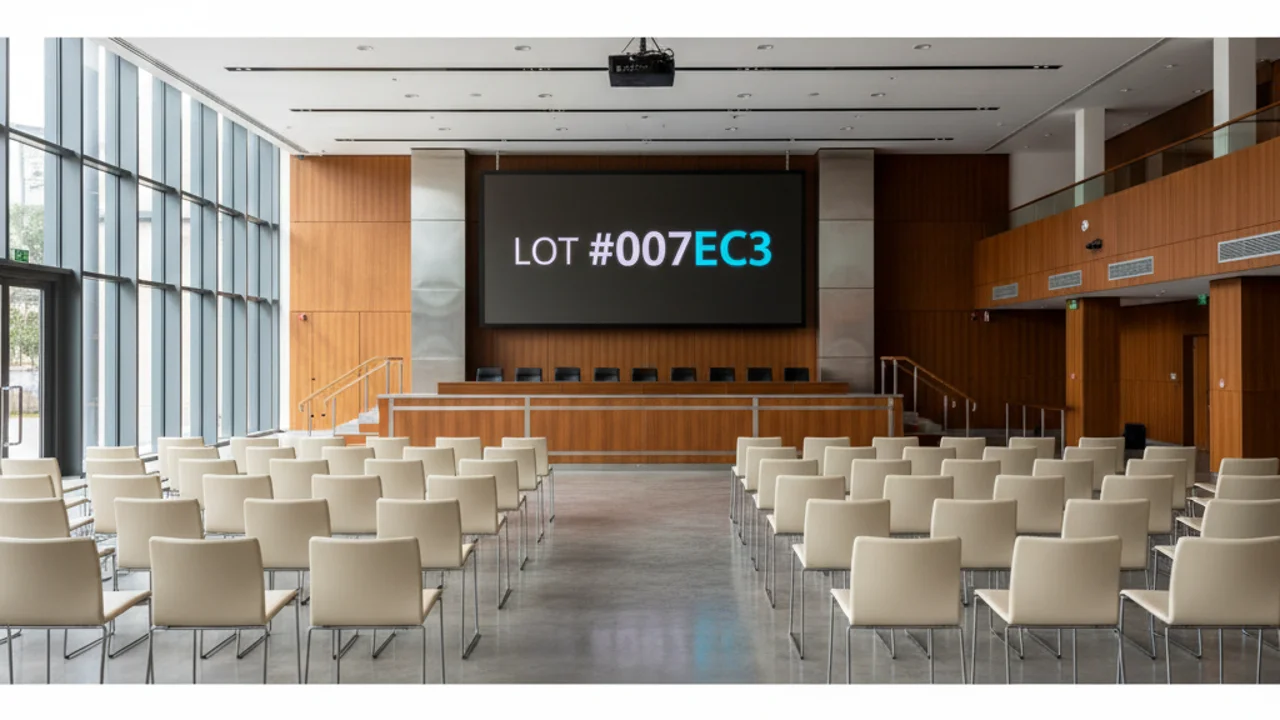
Navigating a public asset auction Kenya requires a deep understanding of varied regulations, asset types, and procedural precision. Whether you are looking to sell or buy, Swipe Recoveries Experts Ltd offers innovative, tailored solutions for effective asset recovery and auctioneering across the nation. Our dedication ensures transparency and optimal results, whether the assets are repossessed goods, government surplus, or liquidation stock. We are committed to delivering results that matter at every step, operating from our base at International Life Hse, Mama Ngina Street, Nairobi.
Key Legislation Governing Public Asset Auctions in Kenya
A public asset auction Kenya operates within a robust legal and regulatory framework designed to ensure fairness, transparency, and accountability. The primary legislation governing such sales is the Auctioneers Act, Cap. 526, alongside its subsidiary Auctioneers Rules, 1997, which outline the licensing, conduct, and duties of auctioneers. For assets arising from company liquidations or insolvencies, the Insolvency Act, No. 18 of 2015, is crucial, dictating how assets of bankrupt individuals or liquidated companies are managed and sold. Similarly, the Companies Act, No. 17 of 2015, provides for the winding up of companies and the realization of their assets through auction.
Specific asset categories are also governed by additional laws. For instance, assets seized for tax arrears fall under the purview of the Customs and Excise Act, Cap. 472, or the Tax Procedures Act, 2015, enforced by the Kenya Revenue Authority (KRA). Vehicles, on the other hand, might involve the Traffic Act, Cap. 403, concerning their transfer and registration. All auctioneers must be licensed by the Auctioneers Licensing Board. Swipe Recoveries Experts Ltd prides itself on its thorough knowledge of these diverse statutory frameworks, ensuring every public asset auction is conducted with utmost legality and integrity.

Participating in a Public Asset Auction: Process & Compliance
The process of a public asset auction Kenya follows a standardized yet meticulous sequence, ensuring all parties are treated fairly. It typically commences with the identification and valuation of the assets, which must be undertaken by a qualified and licensed valuer. Following this, a mandatory public notification is issued, usually through prominent advertisements in national dailies such as the Daily Nation and The Standard, as well as the Kenya Gazette, specifying the auction date, time, location, and a detailed list of assets.
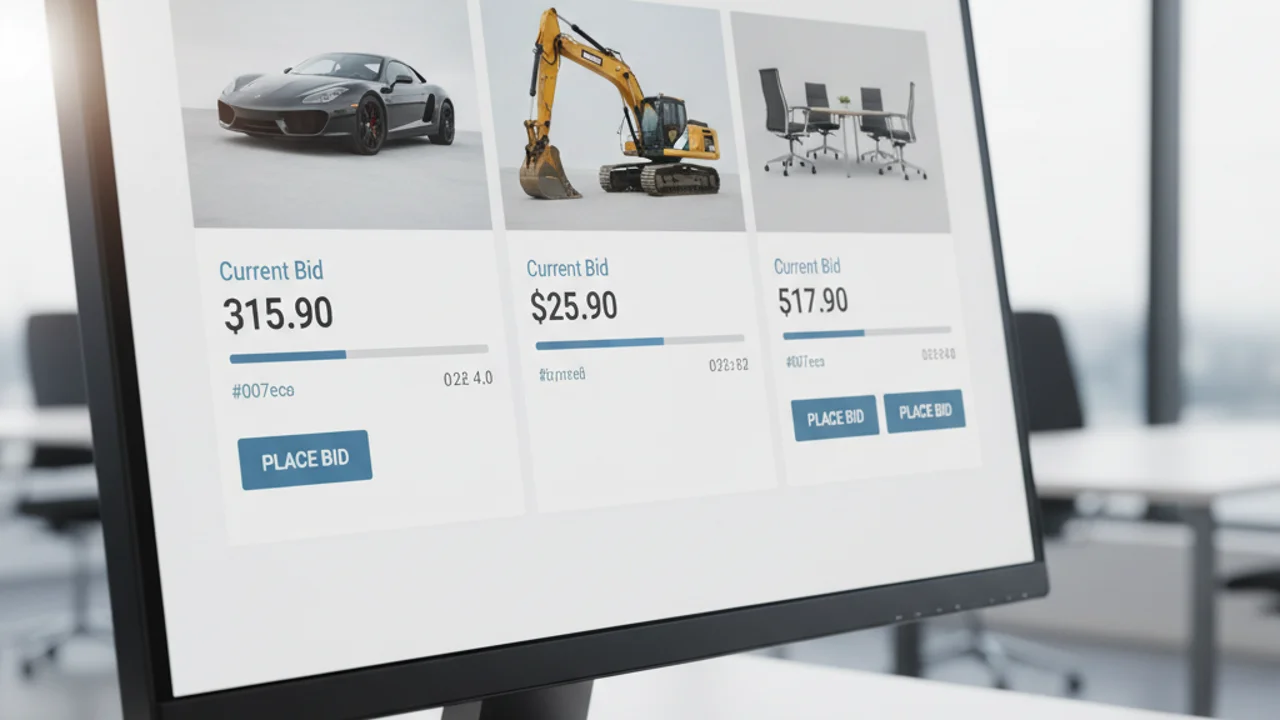
Prospective buyers are then invited to attend public viewing sessions, providing an opportunity to inspect the assets. This phase is critical, as most auctions operate on an 'as-is, where-is' basis, often incorporating the principle of 'caveat emptor' (buyer beware). Bidding takes place at the designated auction venue, where the highest bidder secures the asset. Following a successful bid, payment terms—typically a deposit followed by the balance within a short period—are enforced. The final stage involves the transfer of ownership, which includes necessary documentation and registration, ensuring full compliance with relevant regulations. Swipe Recoveries Experts Ltd assists clients through each of these stages, offering comprehensive support.
Debt Recovery & Auctioneering Coverage in Kenya
Swipe Recoveries Experts Ltd provides commercial recovery, skip tracing, and auctioneering services across Kenya and all 47 counties in Kenya.
Cost Implications & Transparency in Kenyan Public Auctions
When engaging in a public asset auction Kenya, understanding the associated costs and ensuring transparency is paramount. The primary cost for sellers is the auctioneer's commission, which is legally regulated by the Auctioneers Rules, 1997. For movable property, the commission is typically 2.5% on the first KES 100,000, and 2% on the excess up to KES 1 million, with further reductions for higher values, capped at KES 100,000. For immovable property, it's 2.5% on the first KES 1 million, and 2% on the excess, capped at KES 250,000 for amounts under KES 1 million, also with further reductions. Other costs may include storage fees for assets prior to auction, advertisement costs in national media, and any necessary legal fees.
Buyers primarily face the bid price, but must also factor in potential transfer fees (e.g., for vehicles or land), and in some cases, additional KRA clearance fees. Swipe Recoveries Experts Ltd is dedicated to maintaining absolute transparency in all financial dealings. We provide clear, itemized cost breakdowns upfront, ensuring both sellers and buyers are fully aware of all charges. Our commitment to ethical practices and regulatory adherence ensures results that matter, without hidden fees or surprises.