Understanding the Legal Landscape of Auctioneering in Kenya
Navigating Auctioneers regulations Kenya is crucial for both practitioners and those engaging their services. Kenya's legal framework, primarily governed by the Auctioneers Act Cap 526 and its subsidiary Auctioneers Rules, ensures that all auctioneering activities are conducted with transparency, fairness, and strict adherence to established protocols. At Swipe Recoveries Experts Ltd, we provide comprehensive insights and ensure full compliance, guiding our clients through the intricacies of legal mandates, licensing requirements, and ethical practices to safeguard their interests and achieve optimal outcomes. Understanding these regulations is paramount for lawful and effective debt recovery and asset realization processes, minimizing risks for all parties involved and upholding the integrity of the profession across the country.
Key Statutory Frameworks and Governing Bodies for Auctioneering
The backbone of auctioneers regulations Kenya is the Auctioneers Act Cap 526, which provides the legislative foundation for the licensing, conduct, and oversight of auctioneers nationwide. This Act is further elaborated by the Auctioneers Rules, offering detailed procedural guidelines. The primary regulatory body responsible for enforcement and licensing is the Auctioneers Board, a statutory body established to maintain professional standards and discipline. Auctioneers in Kenya are categorized by licenses, typically Class A (for movable property like household goods and vehicles) and Class B (for immovable property such as land and buildings). Engaging an auctioneer requires a clear legal mandate, such as a court order (e.g., from the High Court or Magistrate's Court for execution of decrees) or a warrant of distress for rent under the Distress for Rent Act. Non-compliance with these regulations can lead to severe penalties, including fines, license suspension, or revocation, underscoring the critical importance of selecting a fully compliant and licensed firm like Swipe Recoveries Experts Ltd for any auctioneering needs across Kenya. Our expertise ensures every action aligns perfectly with the prevailing legal framework.
Licensing Requirements and Operational Procedures for Kenyan Auctioneers
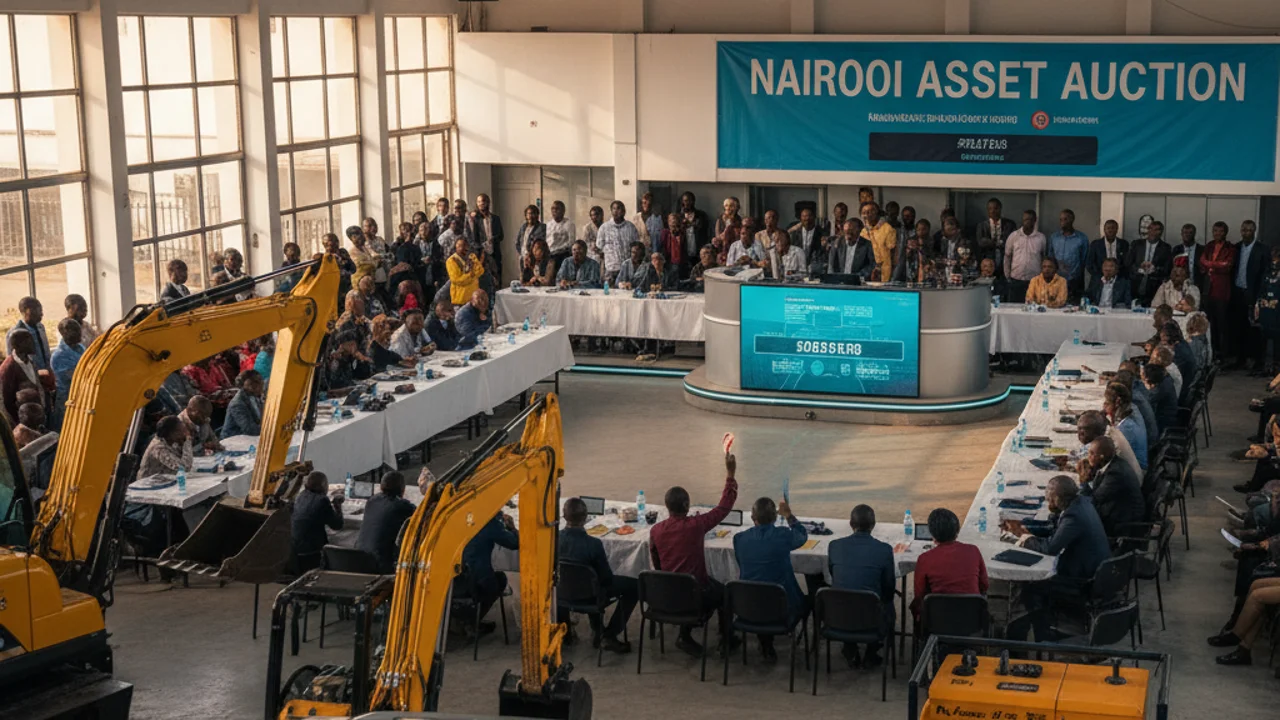
To operate legally, auctioneers in Kenya must meet stringent licensing requirements set by the Auctioneers Board. This includes demonstrating a clean record, possessing the necessary educational qualifications, and maintaining adequate professional indemnity insurance to protect clients. Licenses must be renewed annually, a process that ensures ongoing compliance and professional development. The operational procedure for a legitimate auction, as stipulated by auctioneers regulations Kenya, follows a strict sequence: first, a valid legal instruction (court order or distress warrant) is obtained. This is followed by a proclamation of attachment and a professional valuation of the assets. Public notice of the auction, including date, time, and location, must be given through prescribed channels like the Kenya Gazette and local newspapers, often with specific notice periods (e.g., 7 days for distress for rent, 14 days for court orders). Finally, the public auction is conducted, with proceeds accounted for and remitted as per the court order or client instructions. Swipe Recoveries Experts Ltd manages these intricate steps meticulously, guaranteeing adherence to the Auctioneers Rules and safeguarding our clients' interests throughout the entire process.
Debt Recovery & Auctioneering Coverage in Kenya
Swipe Recoveries Experts Ltd provides commercial recovery, skip tracing, and auctioneering services across Kenya and all 47 counties in Kenya.
Compliance, Fee Structures, and Ethical Conduct in Auctioneering

Understanding the fee structures and ensuring ethical conduct are vital aspects of auctioneers regulations Kenya. Statutory fees for auctioneers are regulated by the Auctioneers Act and Rules, typically calculated as a percentage of the realized sale value. For instance, common rates might be around 5-10% of the value for the first few hundred thousand KES, with decreasing percentages for higher values, plus out-of-pocket expenses for advertising, storage, and valuation. It is essential for auctioneers to provide a transparent breakdown of all costs to their clients. Beyond fees, ethical conduct, transparency, and accountability are paramount. Auctioneers are expected to act impartially, protect the interests of both creditor and debtor, and avoid conflicts of interest. Swipe Recoveries Experts Ltd upholds the highest ethical standards, ensuring all transactions are clear, fees are explicitly communicated in KES, and every stage of the auction process is conducted with utmost integrity. We operate from International Life Hse, 8th Floor, Mama Ngina Street, Nairobi, ensuring accessibility and accountability to our clients.