How to Find and Win at Car Auctions
Participating in a vehicles auction in Kenya is an exciting way to acquire quality cars, trucks, and motorcycles at potentially below-market prices. These events, often featuring repossessed vehicles from banks and other financial institutions, offer a transparent and competitive purchasing environment. However, for first-time bidders, the process can seem daunting. This comprehensive guide from Swipe Recoveries Experts Ltd, a leading licensed auctioneer, will walk you through every step, from finding legitimate auctions and understanding the legalities to bidding confidently and finalizing your purchase. Whether you're a private buyer looking for a family car or a dealer stocking up on inventory, mastering the auction process is key to securing a great deal.
The Legal Process Behind Vehicle Auctions in Kenya
Vehicle auctions in Kenya are strictly regulated to protect all parties involved—the creditor (e.g., a bank), the debtor, and the buyer. The foundational law is the Auctioneers Act, Cap 526, which dictates how licensed auctioneers must conduct public sales. When a vehicle is repossessed due to a loan default, the Movable Property Security Rights Act, 2017 also comes into play, outlining the secured creditor's right to sell the asset to recover their funds.
Before a vehicle can be auctioned, the auctioneer must issue a Proclamation Notice to the debtor, followed by a Notification of Sale. This notice, as required by law, must be advertised to the public, typically in national newspapers like the Daily Nation or The Standard, and sometimes in the Kenya Gazette. The advertisement must specify the date, time, and location of the auction and provide a description of the vehicles for sale. This process ensures transparency and gives the debtor a final opportunity to settle their debt before the sale. All auctions conducted by Swipe Recoveries Experts Ltd strictly adhere to these statutory requirements.

Step-by-Step Guide to Participating in a Car Auction
Here is a practical, step-by-step guide to successfully navigating a vehicles auction in Kenya. Step 1: Find the Auction. Keep an eye on the classifieds section of major newspapers and check the websites of reputable auctioneers like Swipe Recoveries for upcoming auction announcements.
Step 2: Inspect the Vehicle. Auctioneers set aside specific viewing days before the auction date. This is a critical step. Visit the auction yard to physically inspect the vehicles you are interested in. Check the engine, body, interior, and mileage. Remember, most vehicles are sold on an 'as-is, where-is' basis, meaning the sale is final and without warranty.
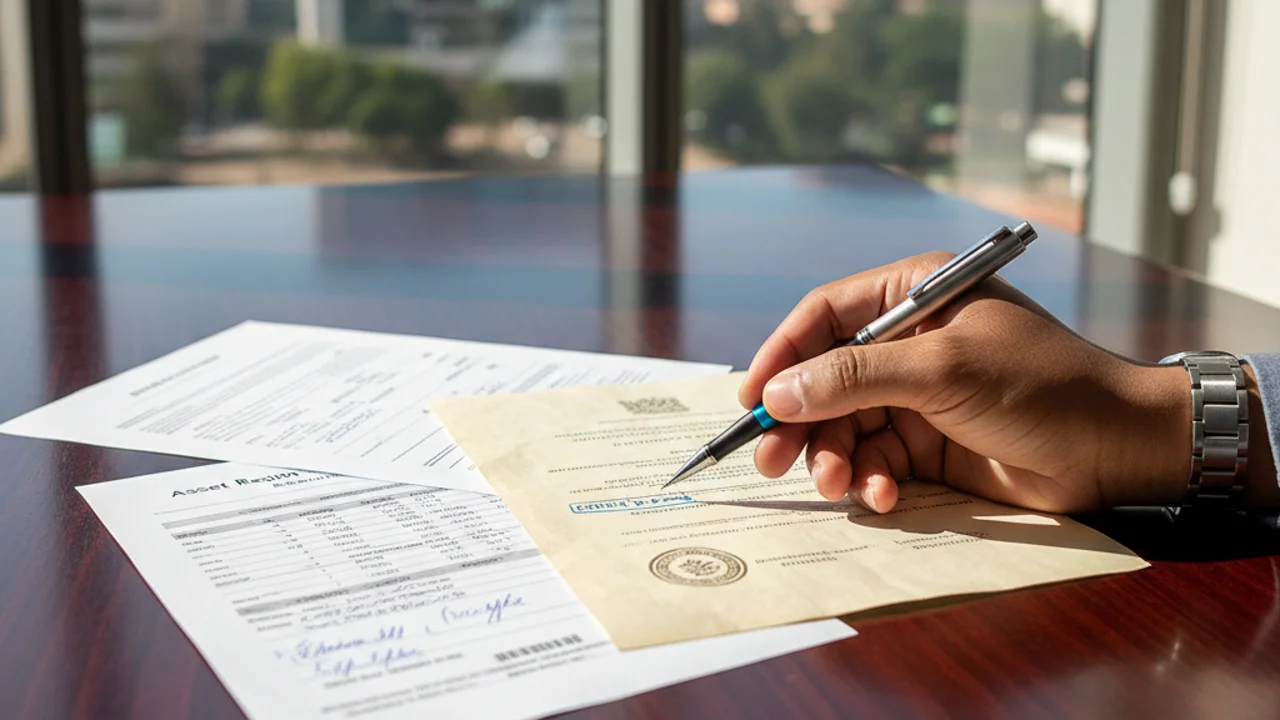
Step 3: Register to Bid. On the auction day, you will need to register. This involves providing your National ID or Passport and a KRA PIN certificate. You will also be required to pay a refundable bidding deposit, which can range from KES 50,000 to KES 100,000 or more, depending on the value of the vehicles. Upon payment, you will receive a bidding number.
Step 4: The Bidding Process. Listen carefully as the auctioneer announces the lot number and details of each vehicle. Bidding is straightforward: raise your bidding number to indicate you accept the price. The auctioneer will call out increasing increments until no more bids are received. The highest bidder wins when the hammer falls.
Step 5: Payment and Collection. If you are the winning bidder, you are typically required to pay a portion of the purchase price immediately (usually 25%). The remaining balance is due within a specified period, often 7 to 14 days. Once full payment is made, the auctioneer will provide you with the necessary documents to facilitate the vehicle's logbook transfer.
Debt Recovery & Auctioneering Coverage in Kenya
Swipe Recoveries Experts Ltd provides commercial recovery, skip tracing, and auctioneering services across Kenya and all 47 counties in Kenya.
Bidding Deposits, Auction Fees & Payment Terms (KES)

Budgeting correctly is essential for a successful auction experience. The most immediate cost is the refundable bidding deposit. For a standard saloon car, this is typically around KES 50,000, while for high-value SUVs or commercial trucks, it can be KES 100,000 or higher. This amount is immediately refunded if you do not win any bids.
If your bid is successful, this deposit forms part of your initial payment. The auctioneer's commission is usually paid by the seller (the bank or creditor), but it is wise to confirm this in the auction's terms and conditions. The main cost to you as the buyer is the 'hammer price'—your winning bid amount. You must pay 25% of this price on the spot. For example, if you win a car for KES 1,200,000, you must pay KES 300,000 immediately. The balance of KES 900,000 must then be cleared within the stipulated timeframe. Failure to do so will result in the forfeiture of your deposit.