Understanding Bank Repossessed Houses in Kenya: Opportunities and Process
The market for bank repossessed houses in Kenya presents both significant opportunities for buyers and a critical challenge for financial institutions. When borrowers default on their mortgage or secured loans, banks initiate repossession proceedings to recover their funds. Swipe Recoveries Experts Ltd specialises in managing the entire lifecycle of bank repossessions, from initial asset identification and legal processing to professional auctioneering and asset disposal. We provide comprehensive, compliant, and efficient services for leading financial institutions like KCB Bank, Equity Bank, and Co-operative Bank of Kenya, ensuring that repossessed properties are handled lawfully and disposed of effectively. Our expertise helps both banks maximise recovery value and buyers find valuable property investments across Kenya.
The Legal Framework for Repossession and Asset Disposal in Kenya
The process of handling bank repossessed houses in Kenya is strictly governed by a robust legal framework. Key legislation includes the Land Act, 2012, which outlines the procedures for chargees (banks) to exercise their statutory power of sale in cases of loan default. This is further supported by the Land Registration Act, 2012, concerning property titles and transfers. Additionally, the Auctioneers Act, Cap 526, regulates the conduct of public auctions and the duties of licensed auctioneers in disposing of repossessed assets. Before a bank can repossess, it must issue several statutory notices to the defaulting borrower, including a 3-month notice of default and a subsequent 40-day notice of intention to sell, as prescribed by the Land Act. Swipe Recoveries Experts Ltd ensures strict adherence to these legal timelines and notification requirements, mitigating risks of legal challenges and ensuring the repossession and subsequent sale are fully compliant with Kenyan law. We work closely with legal counsel to guarantee that all documentation, from demand letters to sale agreements, is watertight.

The Repossession and Auctioneering Process for Bank Assets
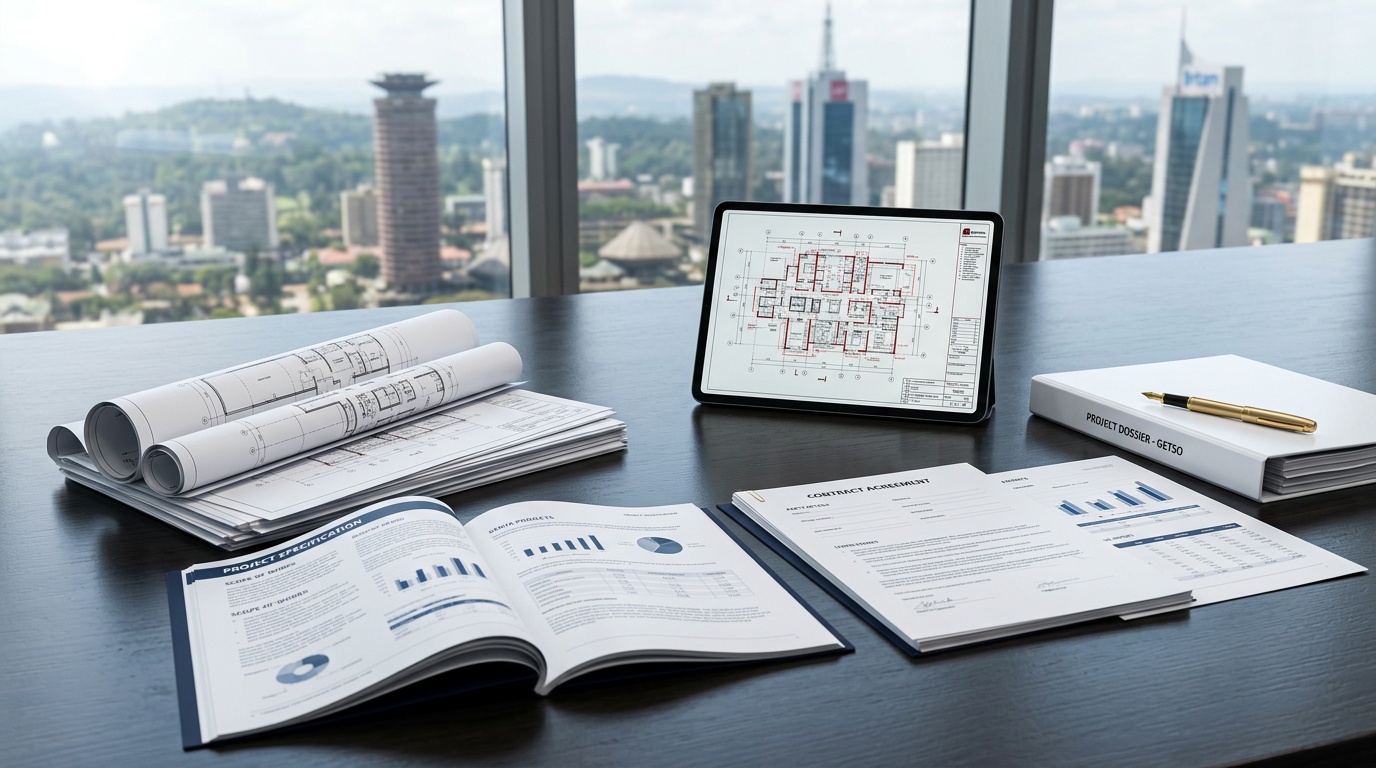
The actual repossession and auctioneering process for bank repossessed houses in Kenya follows a meticulous, legally defined pathway. Once the statutory notices have lapsed without the borrower remedying the default, the bank instructs an approved asset recovery firm like Swipe Recoveries Experts Ltd. Our team undertakes due diligence, including property valuation by a licensed valuer to establish a fair market and reserve price, as mandated by the Land Act, 2012. We then prepare the property for auction, issuing public notices in prominent newspapers and often online, as required by the Auctioneers Act (Cap 526). These notices provide details of the property, the bank, and the auction date, giving ample opportunity for interested parties to participate. Our professional auctioneers conduct transparent and competitive public auctions, ensuring the property is sold to the highest bidder above the reserve price. For non-sale scenarios, we advise on alternative disposal strategies. Throughout this process, Swipe Recoveries Experts Ltd manages all logistics, from securing the property to facilitating the transfer of title, providing seamless service for banks and a transparent buying experience for investors looking for repossessed houses for sale in Kenya.
Debt Recovery & Auctioneering Coverage in Kenya
Swipe Recoveries Experts Ltd provides commercial recovery, skip tracing, and auctioneering services across Kenya and all 47 counties in Kenya.
Costs, Considerations, and Finding Repossessed Properties in Kenya

When dealing with bank repossessed houses in Kenya, various costs and considerations apply. For banks, the costs include legal fees for statutory notices (ranging from KES 15,000 to KES 50,000+), valuation fees (typically 0.25% to 0.5% of the property value), and auctioneer's commissions (1% to 2.5% of the sale price, as per the Auctioneers Act Scale). For buyers, beyond the purchase price, expenses include stamp duty (4% of property value in urban areas, 2% in rural areas), legal fees for conveyancing, and property transfer costs. Swipe Recoveries Experts Ltd offers an integrated service, streamlining these processes and costs for banks. Buyers interested in bank repossessed houses in Kenya can typically find them advertised in daily newspapers (e.g., Daily Nation, The Standard), on various property portals, and directly through auctioneers or banks' special asset departments. We often list upcoming auctions on our platforms. Understanding these costs and knowing where to look can unlock significant investment opportunities in Kenya's real estate market.