Navigating the Landscape of Vehicle Auction Prices
Understanding vehicle auction prices is essential for both buyers and sellers in Kenya's dynamic market, particularly when dealing with repossessed assets or court-ordered sales. At Swipe Recoveries Experts Ltd, we provide comprehensive insights into the factors influencing these prices, helping you make informed decisions whether you are looking to acquire a vehicle at a competitive rate or aiming to recover maximum value for a distressed asset. Auctions, often conducted under the purview of the Auctioneers Act (Cap 526), present unique opportunities but also carry specific risks and considerations. Our expertise in auctioneering and asset recovery ensures that clients have a clear understanding of market dynamics, legal compliance, and the true value of vehicles being auctioned across Nairobi and Kenya.
Key Factors Influencing Vehicle Auction Prices in Kenya
Several critical factors dictate vehicle auction prices in Kenya, and understanding these is paramount for both prospective buyers and creditors seeking to recover value. Primarily, the condition of the vehicle plays a significant role; a car requiring substantial repairs will fetch a lower price than one in excellent running order. Prospective buyers at auctions often conduct pre-auction viewings, assessing mechanical soundness, bodywork, and interior condition. Secondly, the make, model, and year of manufacture greatly influence demand and, consequently, price. Popular models with readily available spare parts, like specific Toyota or Isuzu models common in Kenya, tend to command higher prices.
Market demand and prevailing economic conditions are also crucial. During periods of economic downturn, there might be more repossessed vehicles entering the market, potentially driving prices down due to increased supply. Conversely, strong economic growth can lead to higher bidding activity. The reserve price, set by the seller (often a financial institution or individual) in consultation with the auctioneer, is another key determinant; if bids do not meet this minimum, the vehicle may not be sold. Furthermore, factors like mileage, service history, and any outstanding legal encumbrances (e.g., unpaid fines) registered with the National Transport and Safety Authority (NTSA) must be considered. Swipe Recoveries Experts Ltd offers expert valuation services, helping clients accurately assess the fair market value and competitive pricing of vehicles prior to auction.

Auction Process, Legal Requirements, and Documentation
The process of vehicle auctions in Kenya is governed by the Auctioneers Act (Cap 526) and related regulations, ensuring transparency and legal adherence. For a buyer interested in vehicle auction prices, the process typically starts with identifying legitimate auctions, often advertised in local newspapers, online platforms, or through reputable auction houses like Swipe Recoveries Experts Ltd. Pre-auction viewing is highly recommended, allowing potential bidders to physically inspect vehicles and review available documentation such as logbooks, previous ownership records, and any existing valuation reports. It’s crucial to verify the authenticity of documents and the vehicle's registration status with the NTSA.
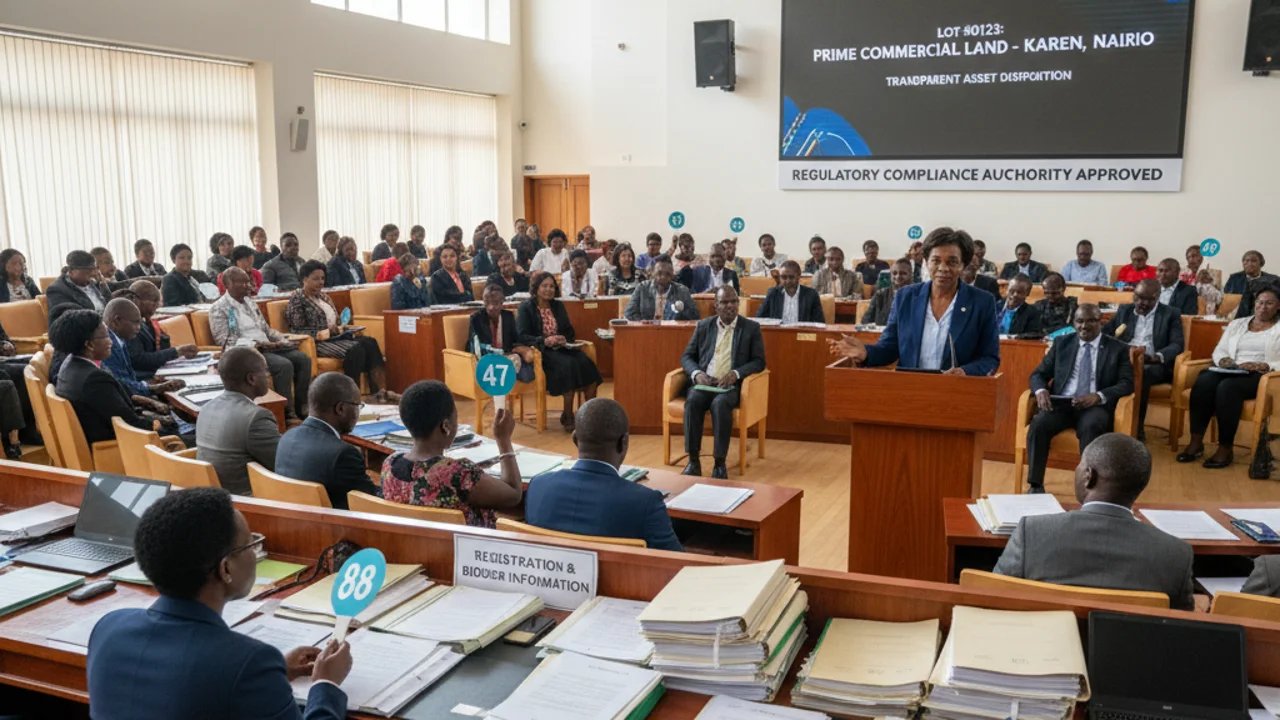
During the auction itself, bidders are usually required to register and place a refundable deposit. Bids are placed openly, and the highest bidder above the reserve price (if any) wins. Upon winning, immediate payment (or a substantial down payment) is often required, usually within a specified timeframe, failure of which can lead to forfeiture of the deposit and resale of the vehicle. Required documentation for transfer of ownership includes the signed Sale Agreement, original logbook, NTSA transfer forms, and proof of payment of all relevant taxes and duties, including Kenya Revenue Authority (KRA) levies. Swipe Recoveries Experts Ltd assists both sellers and buyers through this intricate process, ensuring all legal requirements are met for a smooth and compliant transaction, from public notice to title transfer.
Typical Costs and Fees Associated with Vehicle Auctions

When evaluating vehicle auction prices, it's crucial to factor in all associated costs beyond the winning bid, particularly in Kenya. For buyers, the most significant additional charge is often the Buyer's Premium, a percentage of the hammer price charged by the auctioneer, which typically ranges from 10% to 15%. For instance, on a vehicle bought for KES 500,000, a 10% premium would add KES 50,000. Additionally, buyers are responsible for Value Added Tax (VAT) on the buyer's premium and potentially on the vehicle itself if sold by a VAT-registered entity. Transfer of ownership fees payable to the NTSA also apply, usually a fixed amount around KES 1,000 to KES 2,500, alongside any outstanding inspection fees or fines associated with the vehicle.
For sellers, costs include auctioneer's fees (often a commission on the sale, ranging from 5% to 10% of the hammer price), advertising costs, and potentially storage fees if the vehicle was repossessed and stored before the auction. A valuation report, which can cost between KES 5,000 to KES 15,000, may also be required to establish a fair reserve price. Swipe Recoveries Experts Ltd provides a transparent breakdown of all these fees, ensuring both buyers and sellers fully understand the financial implications. Our goal is to facilitate clear and predictable transactions, helping you achieve optimal outcomes without hidden surprises, whether you are selling a repossessed asset or bidding on a desirable vehicle at an auction in Nairobi or other Kenyan regions.