Understanding How to Buy Impounded Vehicles in Kenya and What to Expect
To buy impounded vehicles Kenya offers a market for acquiring used cars often at competitive prices, though it requires careful navigation of legal and procedural steps. These vehicles are typically seized by law enforcement (e.g., traffic police), customs authorities (KRA), or financial institutions (for loan defaults) and subsequently sold off through public auctions. Understanding the nuances of this process is critical to making a secure and legally sound purchase. Swipe Recoveries Experts Ltd specializes in providing expert guidance and due diligence support to individuals and businesses looking to participate in these auctions, ensuring you have all the necessary information and assistance from our Nairobi base.
Legal Due Diligence When Purchasing Impounded Vehicles in Kenya
Before you buy impounded vehicles Kenya, performing thorough legal due diligence is paramount. The sale of impounded vehicles is governed by several key statutes, including the Auctioneers Act Cap 526, which sets out the rules for conducting public auctions, and the Traffic Act Cap 403, concerning vehicle registration and transfer of ownership. It is essential to confirm that the auctioneer is licensed and that the vehicle's impoundment and subsequent sale are legally sanctioned. This often involves verifying that all required public notices (e.g., in the Kenya Gazette or major local newspapers) have been issued and that any court orders or writs of attachment supporting the sale are legitimate.
Buyers must ascertain that the vehicle carries a clean title and is free from any undisclosed liabilities, such as outstanding loans or previous court cases. A comprehensive search through the National Transport and Safety Authority (NTSA) TIMS portal is crucial to check the vehicle's registration details, previous ownership, and any recorded encumbrances. Additionally, checking with the Kenya Revenue Authority (KRA) can confirm tax compliance and import duty status. Swipe Recoveries Experts Ltd stresses the importance of these checks, as the principle of caveat emptor largely applies; once purchased, any undisclosed legal or financial issues become the buyer's responsibility. Our team can assist in conducting these critical background checks, safeguarding your investment.

The Step-by-Step Process to Acquire Impounded Vehicles at Auction
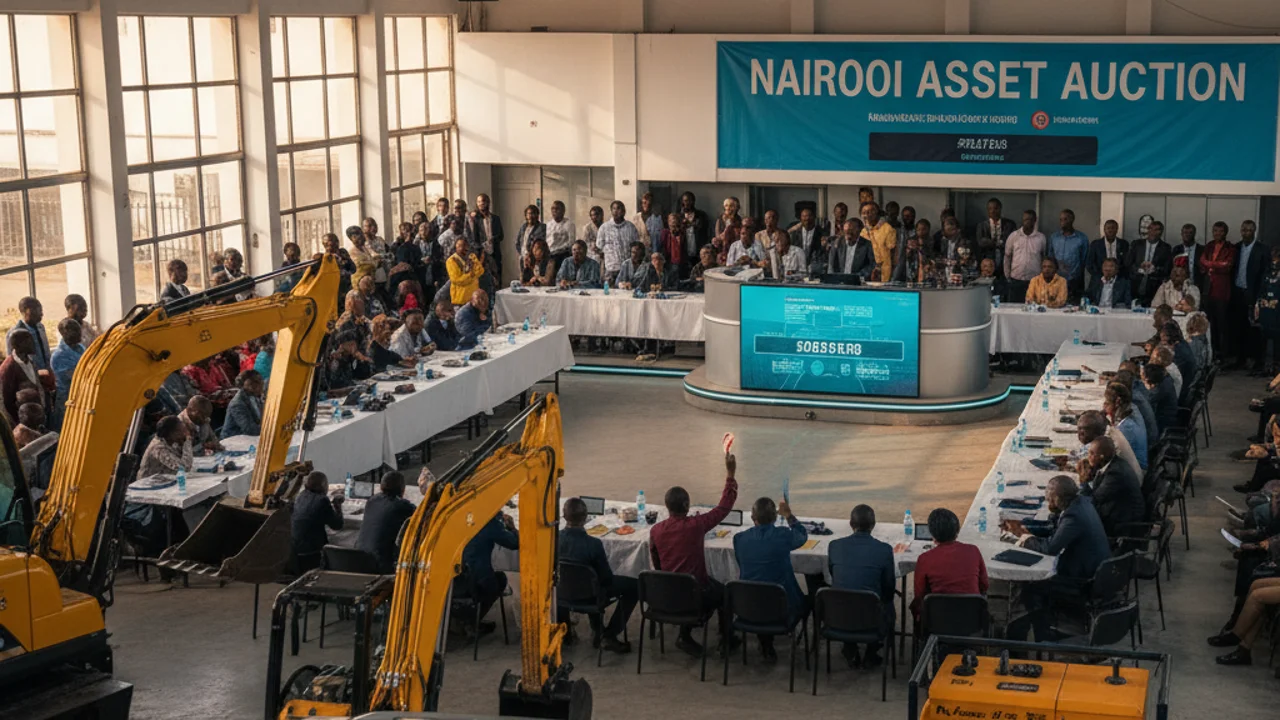
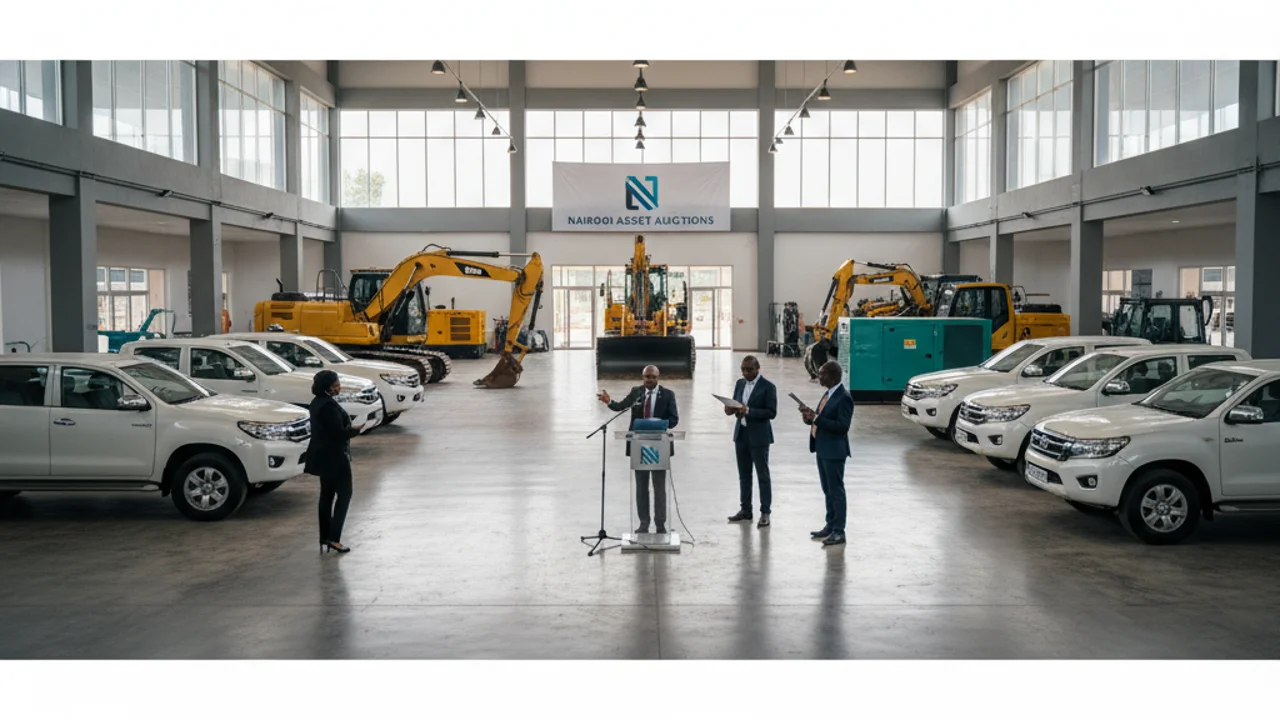
The process to buy impounded vehicles Kenya through auction typically follows a structured sequence. 1. Research and Identification: Begin by monitoring auction advertisements in national newspapers and on reputable auctioneers' websites. These listings will provide details about the vehicles, auction dates, and viewing times. 2. Pre-Auction Inspection: This is a critical step. During the designated viewing period, physically inspect the vehicles of interest. Look for signs of damage, check the engine, interior, and tires. If possible, bring a mechanic for a professional assessment, as vehicles are sold 'as is'. Note down chassis numbers for NTSA verification. 3. Registration and Bidding: On auction day, register with the auctioneer and pay a refundable deposit, usually between KES 5,000 to KES 20,000, to receive a bidding number. Participate actively in the bidding, ensuring you stick to your pre-determined budget. 4. Payment: If you are the successful bidder, you will typically need to pay an immediate deposit (often 25% of the purchase price) and settle the remaining balance within 24 to 72 hours. Accepted payment methods usually include bank wire transfers, M-Pesa (for smaller amounts), or bank cheques. 5. Ownership Transfer: Upon full payment, the auctioneer will provide a sales agreement and the necessary documents to facilitate the transfer of ownership at the NTSA. This involves submitting the duly signed NTSA Form C (logbook transfer form), your KRA PIN, National ID, and payment of transfer fees (ranging from KES 1,000 to KES 5,000, depending on engine capacity). This final step ensures the vehicle is legally registered in your name.
Debt Recovery & Auctioneering Coverage in Kenya
Swipe Recoveries Experts Ltd provides commercial recovery, skip tracing, and auctioneering services across Kenya and all 47 counties in Kenya.
Cost Considerations, Documentation, and Avoiding Common Pitfalls

When you buy impounded vehicles Kenya, it’s essential to factor in all associated costs beyond the hammer price. These typically include the auctioneer's commission, which can range from 5% to 10% of the winning bid. For example, a vehicle purchased for KES 500,000 could incur an additional KES 25,000 to KES 50,000 in commission. Additionally, expect NTSA transfer fees, potential outstanding road levies, and insurance costs. Some vehicles might also have accumulated storage fees at the impound yard, which the buyer may be liable for, so always clarify this with the auctioneer.
Crucial documentation required includes your National ID/Passport, KRA PIN certificate, and proof of payment. For avoiding common pitfalls, Swipe Recoveries Experts Ltd advises against impulse bidding. Thoroughly inspect the vehicle; many impounded cars have mechanical or structural issues not immediately apparent. Verify the authenticity of the auction and the legal status of the vehicle through official channels. Be wary of unadvertised or informal sales, which often lack the legal safeguards of a formal public auction governed by the Auctioneers Act. By following these guidelines and leveraging expert support, you can make a well-informed and secure purchase, avoiding potential legal complications and unforeseen expenses.