Understanding Opportunities at a Bank Repossessed Auction
A bank repossessed auction offers a unique pathway for individuals and businesses to acquire assets, often at competitive prices, resulting from loan defaults where banks exercise their right to realize collateral. These auctions are a common occurrence in Nairobi's financial landscape, driven by the need for financial institutions to recover non-performing loans. Swipe Recoveries Experts Ltd, located at International Life Hse, 8th Floor, Mama Ngina Street, Nairobi, specializes in managing these complex auctions. We bring extensive expertise in navigating the legal requirements and procedural intricacies, ensuring transparency and compliance. Our services cover everything from the initial repossession process to the final sale, providing both banks and potential buyers with a reliable and professional auction experience for vehicles, machinery, land, and buildings.
Legal Frameworks Governing Bank Repossessed Auctions in Kenya
The conduct of a bank repossessed auction in Kenya is meticulously governed by several critical legal statutes and regulations. The primary framework includes the Banking Act (Cap 488), which authorizes financial institutions to lend and secure their loans; the Insolvency Act, 2015, which outlines procedures for receivership and liquidation when debtors default; and the Land Act, 2012, and Land Registration Act, 2012, for immovable assets (land and buildings), detailing statutory notices (e.g., 40-day notice) and powers of sale by chargees. For movable assets such as vehicles or machinery, the Chattels Transfer Act (Cap 28) or the Hire Purchase Act (Cap 507) may be applicable. The Auctioneers Act (Cap 526) dictates the professional conduct and licensing of auctioneers. Directives from the Central Bank of Kenya (CBK) also influence how banks manage and recover distressed assets. Swipe Recoveries Experts Ltd strictly adheres to these regulations, ensuring all repossessions and subsequent auctions are conducted lawfully, protecting the interests of the bank while respecting debtors' rights, from our Nairobi headquarters.

The Repossession & Auction Process: Steps and Documentation
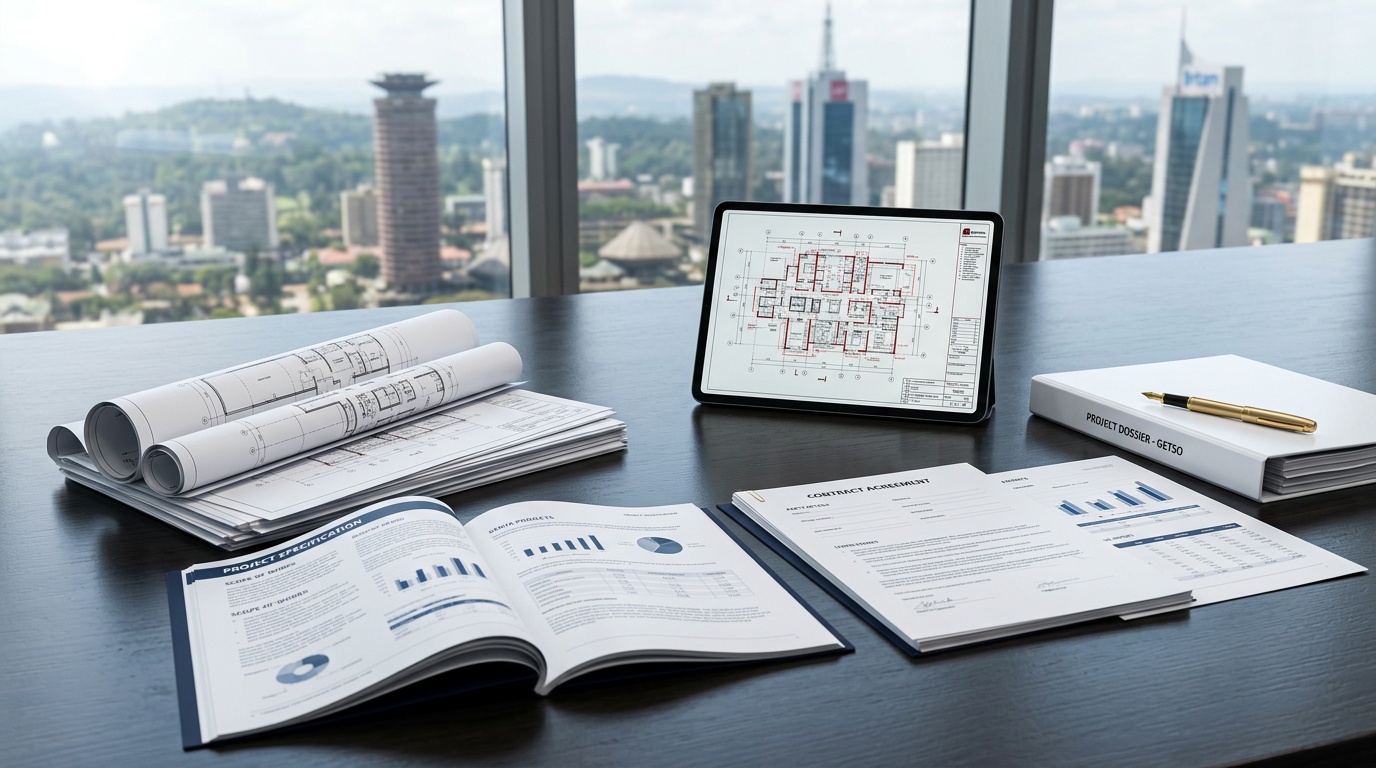
The process for a bank repossessed auction handled by Swipe Recoveries Experts Ltd begins with a loan default, triggering the bank's right to issue various demand and statutory notices to the debtor, providing opportunities to remedy the default. If the default persists, the bank, through its appointed agents, proceeds with repossession of the collateral. For land or buildings, this involves issuing a 40-day statutory notice under the Land Act, followed by a three-month redemption notice. For movable assets, a proclamation of attachment is typically issued. Once repossessed, the assets are valued by a licensed valuer, and the auction is advertised publicly in local newspapers and online. Prospective buyers register and bid on the auction day. Key documentation includes the loan agreement, charge/chattel mortgage document, statutory notices, valuation report, proclamation, and conditions of sale. Compliance with all notice periods, advertising requirements, and auction rules is paramount. Swipe Recoveries Experts Ltd manages this entire chain, ensuring all legal and procedural steps are meticulously followed, from the initial notice to the final transfer of ownership, guaranteeing a transparent and effective auction process.
Cost Structure and Financial Considerations for Bank Repossessed Assets in KES

Understanding the financial aspects of a bank repossessed auction is crucial for both the bank and potential buyers. For banks, costs include auctioneer fees (regulated by the Auctioneers Act, typically 2.5% to 5% of the sale price), legal fees for processing notices and title transfers, valuation fees (starting from KES 15,000), storage fees for movable assets, and advertising costs (KES 5,000-KES 50,000+). These costs are usually factored into the recovery amount. For buyers, the main costs are the bid price, stamp duty (4% for property in urban areas, 2% for agricultural land), and legal fees for conveyancing (typically 1-2% of the sale price). Additionally, a non-refundable deposit (e.g., 25% of the purchase price) is required on the fall of the hammer. Swipe Recoveries Experts Ltd provides a clear breakdown of these costs in KES, offering practical guidance to ensure buyers are fully informed about their total financial commitment. We aim to achieve optimal recovery for banks while offering fair and transparent opportunities for buyers to acquire assets through our expertly managed auctions from our Nairobi office.