Understanding Foreclosure Auctions in Mombasa
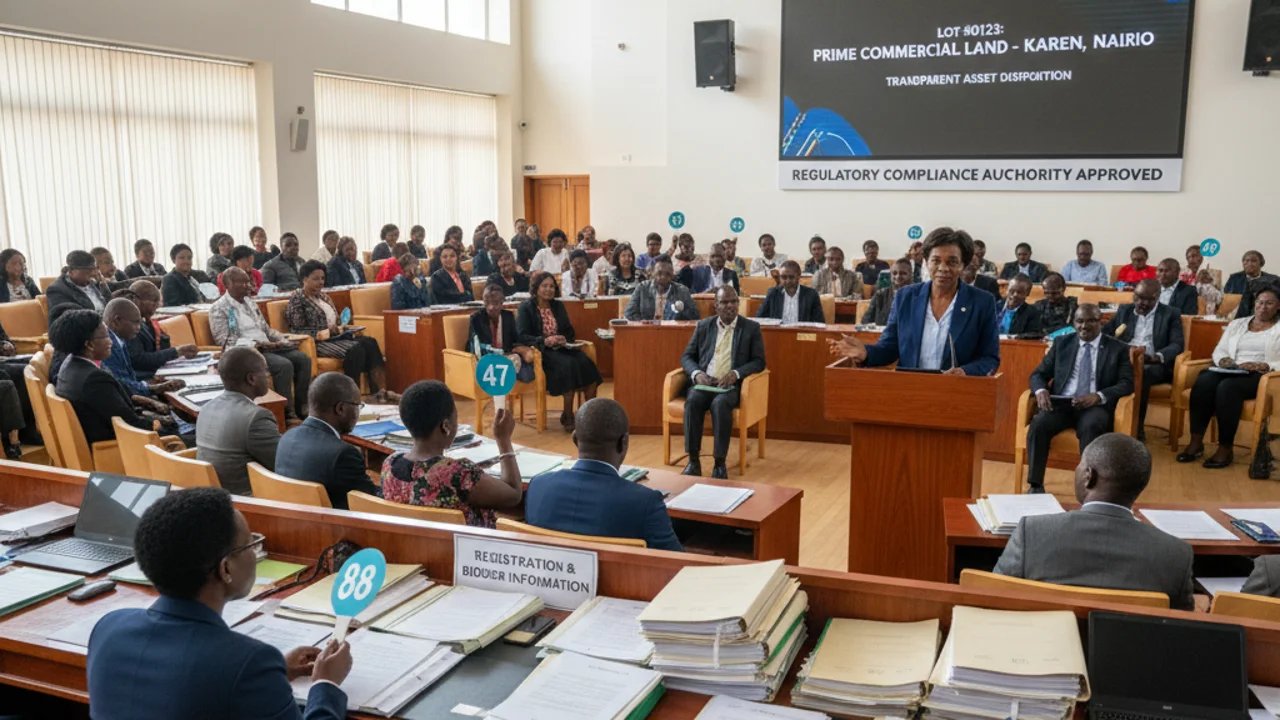
Embarking on a foreclosure auction Mombasa property journey requires diligent preparation and a clear understanding of the legal and logistical intricacies involved. These auctions, governed by frameworks like the Mortgage Act, 2012 (Cap 267 of the Laws of Kenya), offer opportunities for astute investors and individuals seeking properties at potentially reduced market values. However, the process demands navigating complex procedures, from advertisement under the Auctioneers Act, 2010, to understanding the rights of redemption and the implications of outstanding charges. Swipe Recoveries Experts Ltd specialises in demystifying these auctions, providing the expertise needed for successful participation and acquisition in Mombasa.
Legal Framework and Statutory Requirements for Mombasa Auctions
The landscape of property auctions in Kenya, including those in Mombasa, is meticulously regulated to ensure fairness and transparency. Key legislation such as the Auctioneers Act, 2010, dictates the conduct of auctioneers, their licensing, and the advertising of sale proceedings. For foreclosure auctions, the Mortgage Act, 2012, is paramount, outlining the lender's rights and the borrower's protections, including mandatory notification periods before a property can be brought to auction. Understanding these statutes is crucial for both potential buyers and sellers. For instance, Section 80 of the Mortgage Act mandates specific notice periods and advertising requirements, ensuring that properties are not sold prematurely. Prospective bidders must also be aware of court orders, such as those that might temporarily halt a sale under the Civil Procedure Act, highlighting the need for up-to-the-minute due diligence. The Environment and Land Court plays a significant role in overseeing property disputes and injunctions that can affect auction proceedings. Engaging with legal professionals who understand these statutes is advised to navigate any potential legal challenges and ensure compliance.

Navigating the Mombasa Foreclosure Auction Process: Step-by-Step
Participating in a foreclosure auction Mombasa property transaction involves several distinct stages, each with specific requirements. Initially, potential buyers must identify upcoming auctions, which are typically advertised in local dailies such as the Standard or Nation newspapers, as stipulated by the Auctioneers Act, 2010. These advertisements will detail the property, the reserve price, and the auction date and venue, often at locations like the Mombasa Law Courts or the property itself. Before the auction, thorough due diligence is non-negotiable. This includes conducting a formal land search at the Mombasa Lands Registry to verify ownership and check for encumbrances beyond the auction notice. Understanding the property's condition, including any outstanding rates payable to the Mombasa County Government, is also vital. Prospective bidders are often required to register for the auction, sometimes providing a banker's cheque or a refundable deposit, as dictated by the auctioneer's terms. On auction day, successful bidders must typically pay a significant deposit (often 10% of the bid price) immediately, with the balance due within a stipulated period, usually 30 days, as per the terms of sale. Swipe Recoveries Experts Ltd can guide you through each of these critical steps, ensuring you meet all legal and procedural obligations.
Debt Recovery & Auctioneering Coverage in Mombasa, Kenya
Swipe Recoveries Experts Ltd provides commercial recovery, skip tracing, and auctioneering services across Mombasa, Kenya and all 47 counties in Kenya.
Cost Expectations and Expert Support for Mombasa Auctions
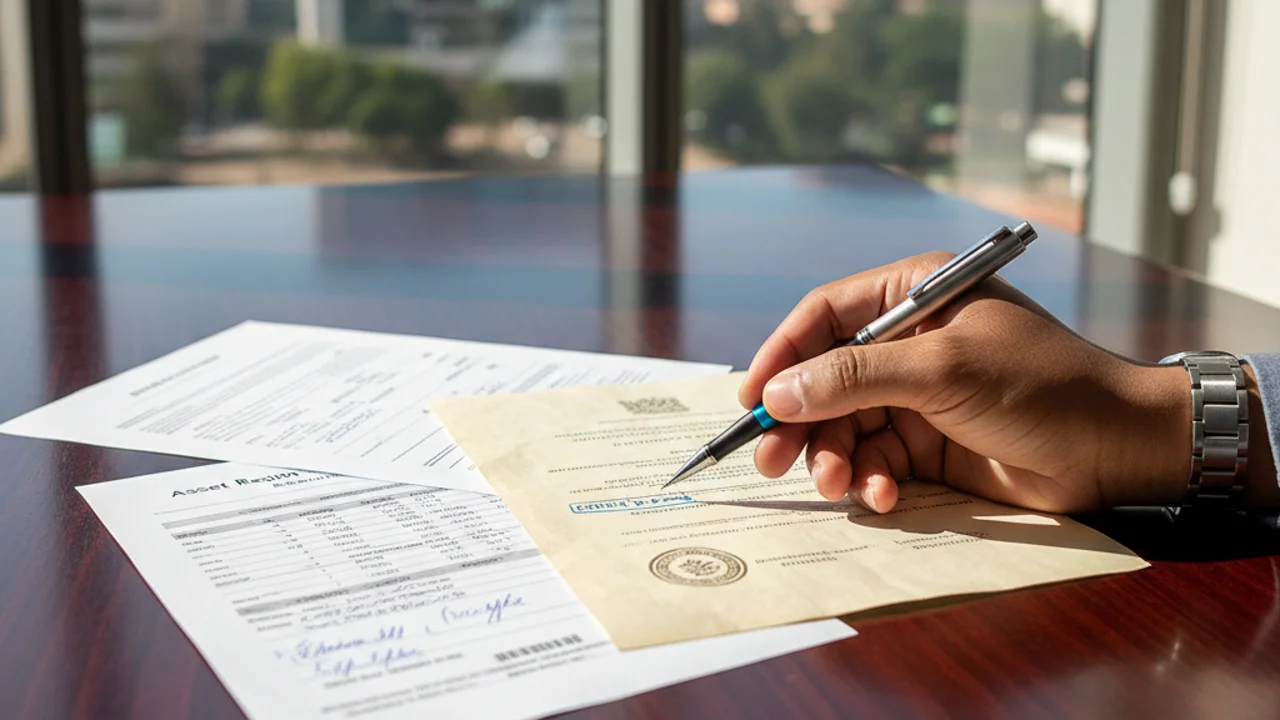
The financial considerations for a foreclosure auction Mombasa purchase extend beyond the hammer price. While auction prices can offer value, buyers must budget for several additional costs. These include stamp duty, payable to the Kenya Revenue Authority (KRA), which is calculated based on the property's value. Legal fees for conveyancing, property registration, and potentially obtaining a new title deed will also be incurred. Furthermore, any outstanding land rates or service charges owed to the Mombasa County Government may need to be settled by the new owner. Auctioneer fees, while typically borne by the seller, can sometimes be incorporated into the sale terms. Swipe Recoveries Experts Ltd offers transparent fee structures for our advisory services. Our expert team can help you conduct thorough property valuations, assess potential hidden costs, and negotiate favourable terms, ensuring your investment in Mombasa is sound and profitable. We assist in budgeting comprehensively to avoid unexpected financial burdens.