Protecting Asset Value After Repossession
Learning how to properly secure repossessed assets is the most critical step following a recovery action in Kenya. Once an asset, such as a vehicle or machinery, is repossessed, the creditor and their agent assume a duty of care. Failure to secure the asset correctly can lead to its damage, theft, or legal challenges from the debtor, potentially jeopardising the entire recovery process. The protocol involves more than just towing a car away; it requires meticulous documentation, secure transportation, and compliant storage. At Swipe Recoveries Experts Ltd, our teams are trained to handle this process with precision, ensuring every asset is protected from the moment of repossession until its final disposal or redemption.
Legal Compliance: The Duty of Care & Documentation
When you secure repossessed assets, you are legally obligated to act as a bailee, meaning you must take reasonable care of the goods. This duty is implicitly covered under Kenyan law, including principles within the Auctioneers Act and the Chattels Transfer Act. The first step in fulfilling this duty is immediate and thorough documentation. This is not optional; it is your primary defense against claims of damage or missing items.
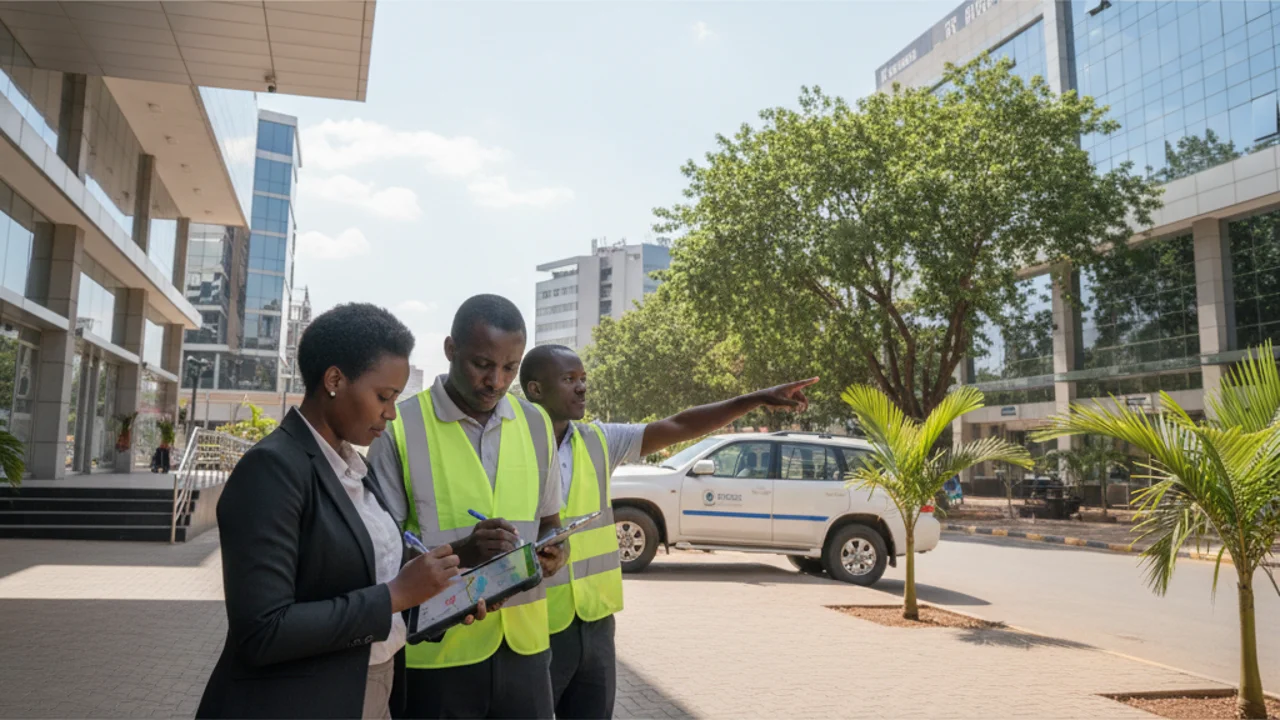
A detailed inventory and condition report must be created on-site at the time of repossession. This report should list the asset and any accessories found with it. For a vehicle, this includes the spare wheel, jack, radio, and any personal items left inside. High-quality, time-stamped photographs from all angles, including close-ups of any pre-existing damage, are mandatory. This documentation, signed by the repossession agent, forms a crucial part of the legal record. At Swipe Recoveries, we use digital checklists and photo logs to ensure nothing is missed, providing our clients with a robust and defensible record of the asset's condition upon seizure.

Step-by-Step Process for Securing Physical Assets
The physical process to secure repossessed assets must be swift, professional, and methodical. Rushing this process can lead to costly mistakes. Our standard operating procedure follows these key steps:
1. On-Site Inventory and Reporting: As detailed above, our agents conduct a full inventory and condition report immediately upon taking possession of the asset. A copy of this report is, where possible, provided to the debtor or their representative on site.
2. Secure Transportation: The asset is then transported directly to a pre-approved, secure facility. We use professional towing services for vehicles and appropriate transport for other types of machinery. The asset is never left unattended or in an unsecured location during transit.
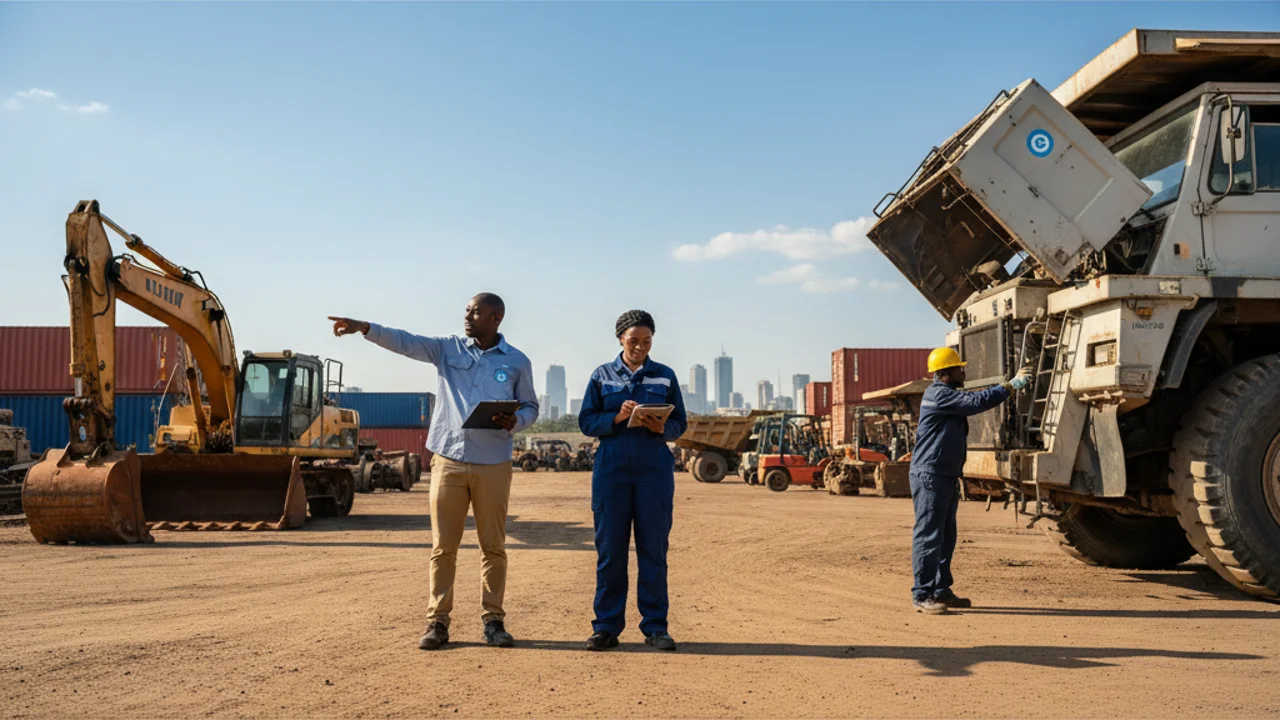
3. Secure Storage Facility: Upon arrival at our designated yard, the asset is logged in. Our storage facilities are secure, with 24/7 surveillance, perimeter fencing, and controlled access. This prevents theft, vandalism, or unauthorised access. The asset remains here during the redemption notice period and until it is either redeemed by the debtor or sold via public auction.
4. Formal Notification: We ensure the client promptly issues the formal notifications to the debtor, informing them of the repossession and advising them of the location where the asset is securely stored and the procedure for redemption.
Costs Associated with Securing and Storing Assets (KES)

Budgeting for the costs to secure repossessed assets is an essential part of the recovery process. These are legitimate costs that are often recoverable from the proceeds of sale or from the debtor upon redemption. At Swipe Recoveries Experts Ltd, we ensure all costs are transparent and justifiable. Typical fees in Kenya include:
Towing & Transport Fees: The cost of moving the asset from the point of repossession to the secure yard. Within Nairobi, this can range from KES 5,000 to KES 15,000 for a standard vehicle, depending on the distance and type of tow truck required.Secure Storage Fees: This is a daily or monthly charge for keeping the asset in a guarded yard. For a standard car, daily storage fees in Nairobi typically range from KES 500 to KES 1,500 per day. It is crucial to use a professional yard, as cheaper, unsecured options create immense risk.Security Costs: For high-value assets or contentious repossessions, the cost of hiring additional security personnel may be necessary and is a chargeable expense.
These costs are necessary investments to protect the value of the asset, which is often worth hundreds of thousands or even millions of shillings. Failing to incur these costs is a false economy that exposes the creditor to far greater financial loss.