Navigating Microfinance Asset Recovery Costs in Kenya
Understanding MFI asset recovery fees is crucial for Microfinance Institutions (MFIs) seeking to reclaim defaulted loans effectively and legally in Kenya. The process involves intricate legal frameworks and a clear understanding of associated costs. Swipe Recoveries Experts Ltd, situated at International Life Hse, 8th Floor, Mama Ngina Street, Nairobi, specializes in transparent and compliant asset recovery. Our expertise ensures MFIs navigate the complexities of asset identification, valuation, and repossession while adhering to all statutory requirements, ultimately maximizing recovery rates and minimizing financial strain for our clients in Nairobi and beyond. We provide innovative, tailored solutions for every engagement.
Legal & Regulatory Framework for MFI Asset Recovery in Kenya

The landscape of asset recovery for Microfinance Institutions in Kenya is governed by a robust legal and regulatory framework designed to protect both creditors and debtors. Key statutes include the Microfinance Act, 2006, which regulates MFIs; the Banking Act, offering broader financial oversight; and crucially, the Insolvency Act, 2015, which dictates procedures for liquidation and receivership. For the actual recovery and disposal of assets, the Auctioneers Act, CAP 526, is paramount, setting out the licensing, duties, and fee structures for auctioneers. These laws ensure that repossession and sale of collateral—whether it be chattel mortgages, debentures, or other secured assets—are conducted within strict legal bounds, preventing arbitrary actions.
Compliance with guidelines issued by the Central Bank of Kenya (CBK) is also a non-negotiable aspect of the recovery process. These guidelines often touch upon fair debt collection practices and consumer protection, influencing how MFIs engage with defaulting clients. Professional bodies like the Auctioneers Board of Kenya play a vital role in upholding ethical standards and professionalism within the industry. At Swipe Recoveries Experts Ltd, operating from our premises at International Life Hse, Mama Ngina Street, Nairobi, we ensure every recovery action, from initial demand notices to final auction, strictly adheres to these statutory requirements and ethical codes, mitigating legal risks for our MFI clients. We are experts in handling writs of attachment, garnishee orders, and other judicial directives precisely.
The Asset Recovery Process: Steps, Documentation & Compliance
The asset recovery process for Microfinance Institutions is a methodical sequence of steps, each requiring meticulous attention to detail and stringent compliance. It typically begins with a default notice to the borrower, followed by a formal demand letter. If the debt remains unpaid, the MFI, often through a professional like Swipe Recoveries Experts Ltd, initiates skip tracing to locate the debtor or assets. Once assets are identified, a comprehensive asset valuation report is commissioned from a licensed valuer to determine the forced sale value, a critical component for fair disposal. Legal action may then ensue, involving applications for court orders such as a writ of attachment or orders for the sale of specific collateral, ensuring due process is followed.
Key documentation required throughout this process includes the original loan agreement, security documents (e.g., chattel mortgage, debenture certificate), all default notices and correspondence, and the official valuation report. Compliance is not merely about adhering to the law; it's about minimizing legal challenges and ensuring the recovery is upheld in court. Swipe Recoveries Experts Ltd, with our extensive experience and presence in Nairobi’s International Life Hse, 8th Floor, specializes in managing this entire lifecycle. We ensure all required documentation is accurately prepared and filed, and that every step, from asset identification to the final auction, aligns with the Auctioneers Act, CAP 526, and other relevant legal provisions. Our dedication at the core of every engagement guarantees efficient and compliant asset recovery.
Understanding MFI Asset Recovery Fees and Cost Structures in Kenya (KES)
When engaging in MFI asset recovery fees, understanding the cost structure is vital for budgeting and managing expectations. The total fees are typically a composite of various charges, often regulated to ensure fairness and transparency. Common components include tracing fees, which can be a flat rate or a small percentage of the outstanding debt, covering the cost of locating debtors or assets. Valuation fees are charged by licensed valuers for assessing the market and forced sale value of assets, usually a fixed amount based on the asset's nature and complexity. Legal fees encompass court filing fees, advocate charges for drafting pleadings, obtaining orders, and representation, which vary based on case complexity and court levels, often guided by statutory advocate remuneration orders.
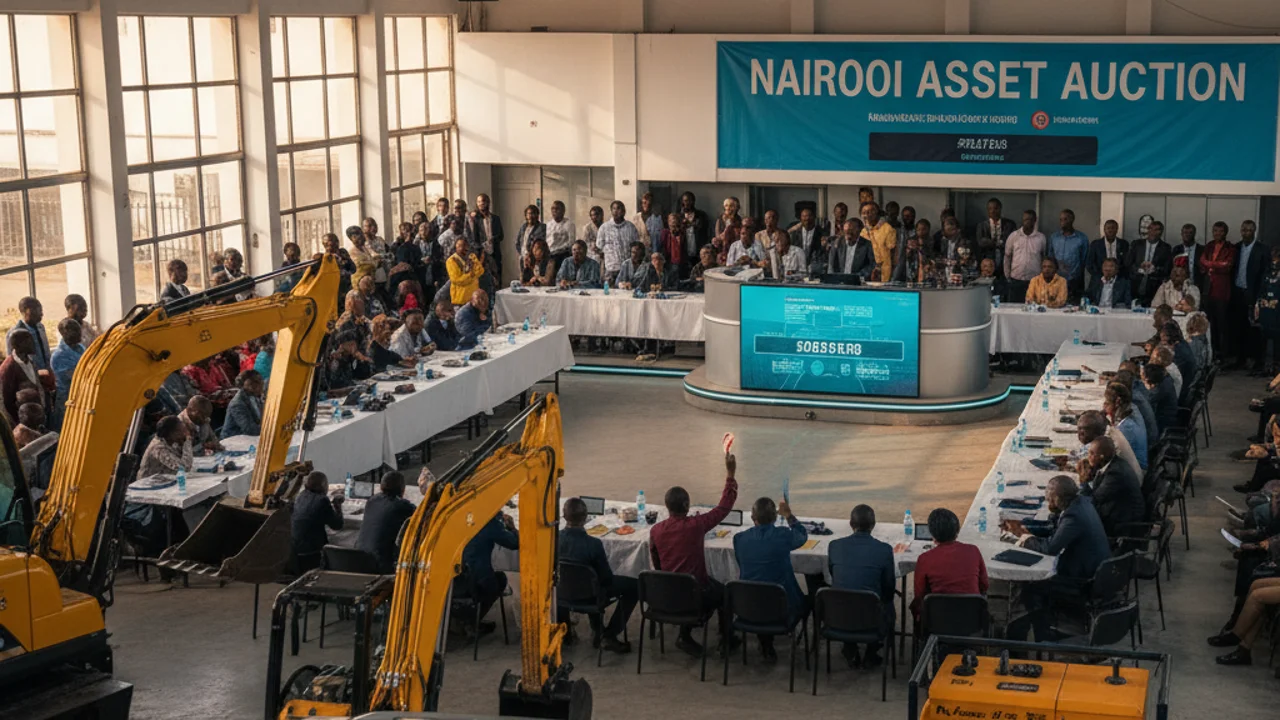
Crucially, auctioneers' commissions form a significant portion of the MFI asset recovery fees. In Kenya, these commissions are strictly regulated by the Auctioneers Act, CAP 526. For movable property, the commission typically ranges from 2% to 5% of the recovered value, often with specific maximum caps (e.g., KES 200,000 to KES 500,000 for specific thresholds). For immovable property, the rates are usually lower, around 1% to 2.5%, also with statutory caps. Additional costs may include storage fees for repossessed items, advertising costs for auctions, and transport. Swipe Recoveries Experts Ltd offers clear, upfront discussions about these fee structures, providing transparent quotations and tailored solutions from our offices at International Life Hse, 8th Floor, Mama Ngina Street, Nairobi, to ensure there are no hidden charges and clients receive results that matter.