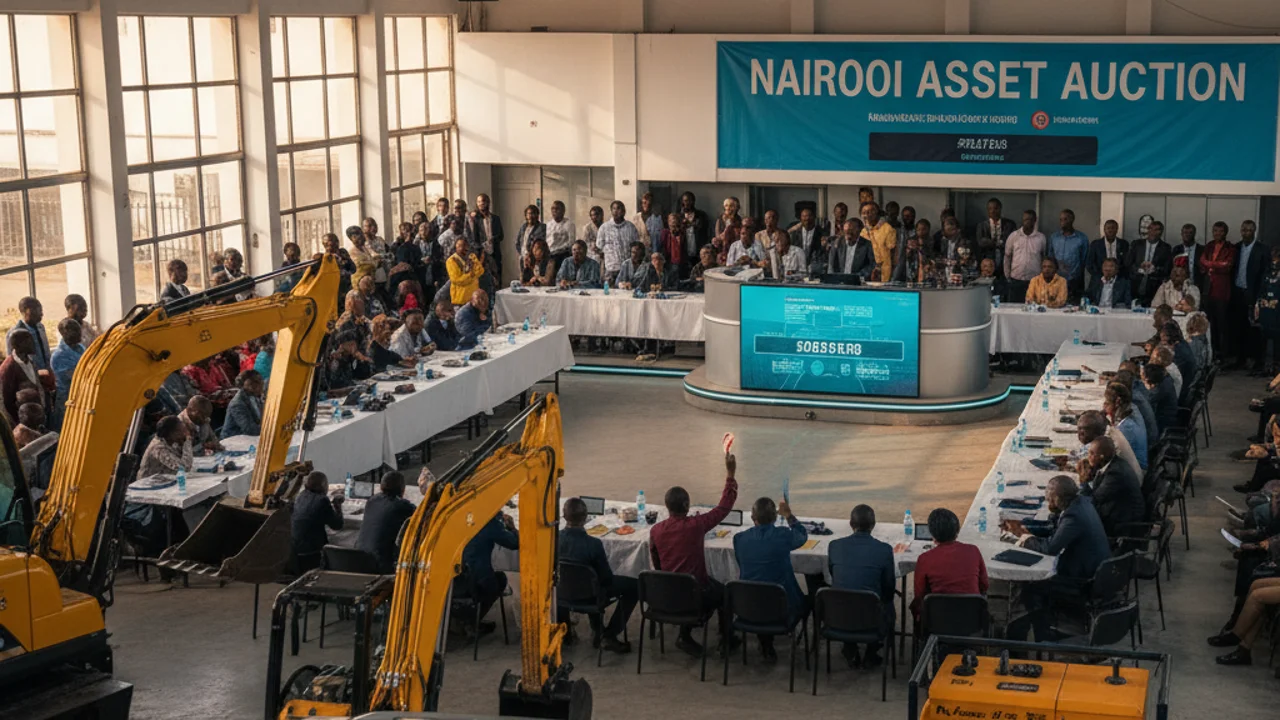
Navigating the Complexities of Business Asset Repossession in Kenya
Business asset repossession Kenya demands a meticulous understanding of legal frameworks and practical execution. Swipe Recoveries Experts Ltd specialises in guiding businesses through this intricate process, ensuring compliant and efficient retrieval of assets. We leverage extensive local knowledge and proven methodologies to deliver results that matter, minimising disruption and maximising recovery for our clients across Kenya.
Legal Frameworks Governing Asset Repossession in Kenya
In Kenya, the process of business asset repossession is governed by a robust legal framework designed to protect both creditors and debtors. Key statutes include the chattel mortgage laws, hire purchase agreements, and the Civil Procedure Rules, particularly those pertaining to the execution of decrees and court orders. Understanding these regulations is paramount. For instance, if a business defaults on a loan secured by specific assets, the creditor, through a licensed agent like Swipe Recoveries Experts Ltd, must adhere to the prescribed procedures. This often involves obtaining a court order or acting under the specific terms of a contractual agreement, such as a debenture or a charge instrument, which grants the right of repossession upon default. Failure to comply with these legal requirements can lead to wrongful repossession claims, resulting in significant penalties and legal challenges for the creditor. Our team stays abreast of all legislative changes and judicial interpretations, ensuring your repossession actions are legally sound and defensible.

The Essential Steps and Documentation for Asset Recovery
Successfully repossessing business assets in Kenya involves a series of critical steps and requires meticulous documentation. Initially, a thorough assessment of the agreement, be it a loan, lease, or hire-purchase contract, is conducted to confirm the default and the contractual right to repossession. Following this, a formal demand letter is typically issued to the debtor, outlining the arrears and providing a stipulated period for rectification. Should the debtor fail to comply, the next phase involves securing the necessary legal authority, which might be a court order, a warrant of possession, or acting under the powers granted by specific security documents. The physical act of repossession requires experienced personnel to ensure it is conducted safely and without breaching the peace, often involving secure transportation and storage of the repossessed assets. Crucial documentation includes the original agreement, proof of default (e.g., bank statements, payment records), court orders or judgments, and detailed inventory lists of seized items. Swipe Recoveries Experts Ltd manages this entire procedural pipeline, ensuring all legal and practical requirements are met with precision.
Debt Recovery & Auctioneering Coverage in Kenya
Swipe Recoveries Experts Ltd provides commercial recovery, skip tracing, and auctioneering services across Kenya and all 47 counties in Kenya.
Understanding the Costs and Fees Associated with Repossession

The costs and fees associated with business asset repossession in Kenya can vary significantly based on the complexity, location, and nature of the assets involved. These typically include legal fees for obtaining court orders or consultations, administrative charges for preparing demand letters and notices, and operational costs such as transportation, storage, and the personnel involved in the physical recovery. For instance, repossessing a fleet of vehicles from an industrial area might incur higher logistical costs than retrieving office equipment from a commercial building in Nairobi. Our fee structure at Swipe Recoveries Experts Ltd is transparent and competitive, often based on a percentage of the recovered value or a pre-agreed service fee, ensuring clients understand the investment required. We provide detailed cost breakdowns, allowing for informed decision-making. It's important to note that while upfront costs are involved, the ultimate goal is to recover assets that often exceed these expenses, making professional repossession a cost-effective solution for debt recovery.