Understanding Asset Seizure Solutions in the Kenyan Context
Asset seizure solutions are critical for individuals and businesses seeking to recover outstanding debts or enforce court judgments. In Kenya, this process involves specific legal procedures to lawfully take possession of a debtor's assets to satisfy a financial obligation. These solutions are not merely about taking property; they are about applying the force of law to ensure justice and financial recompense. Swipe Recoveries Experts Ltd specializes in providing comprehensive, legally compliant asset seizure services, ensuring our clients achieve timely and effective recovery. From securing the necessary court orders to executing distress warrants, our dedicated team expertly navigates the complexities of Kenyan law, providing clarity and delivering tangible results. Our operations are centrally located at International Life House, 8th Floor, Mama Ngina Street, Nairobi, making us readily accessible for all your recovery needs.
The Legal Framework Governing Asset Seizure in Kenya
In Kenya, the primary legislation governing asset seizure solutions is the Civil Procedure Act (Cap 21), specifically its provisions related to the execution of decrees and orders. This Act outlines the process by which a judgment creditor can apply to the court for execution against a debtor's property. The process is further supported by the Auctioneers Act (Cap 526) and its subsidiary rules, which regulate the conduct of licensed auctioneers who are often instrumental in the physical seizure and subsequent sale of assets. These legal frameworks ensure that all asset seizures are conducted lawfully, respecting due process and protecting the rights of both creditors and debtors.
Assets that can be seized typically include movable property such as vehicles, machinery, office equipment, and even bank accounts, as well as immovable property like land and buildings. However, certain assets are protected from seizure, such as basic household necessities, as outlined in the law. Understanding these nuances is crucial for successful execution. Professional bodies like the Law Society of Kenya uphold the standards of legal practice involved, ensuring that court orders originating from the High Court of Kenya or a Magistrate's Court are executed meticulously. Swipe Recoveries Experts Ltd ensures strict adherence to these statutory requirements, providing reliable and ethical asset seizure solutions.

The Asset Seizure Process: Steps, Documentation, and Compliance
The process for implementing asset seizure solutions in Kenya involves several precise steps to ensure legal compliance and efficacy. Firstly, a creditor must have obtained a valid court judgment or decree against the debtor. Following this, an application for execution is filed with the court, typically seeking a Writ of Attachment or a Warrant of Seizure. This legal instrument empowers court bailiffs or licensed auctioneers to proceed with the seizure.
Key documentation required includes the certified copy of the judgment decree, an affidavit detailing the outstanding debt, and any other relevant court orders. Once the warrant is issued, a licensed auctioneer, acting under the authority of the court, will identify and levy the debtor's assets. The assets are then inventoried, valued, and typically removed for safekeeping. Strict compliance with the Auctioneers Act is paramount during this stage to prevent illegal seizure or damage to property. The debtor is usually given a notice period before the assets are auctioned. Swipe Recoveries Experts Ltd meticulously manages each phase, from initial legal consultation at our Nairobi offices to the final recovery, ensuring all legal requirements are met to facilitate a seamless and effective asset seizure solution.
Understanding Costs: Fees and Practical Guidance for Asset Seizure
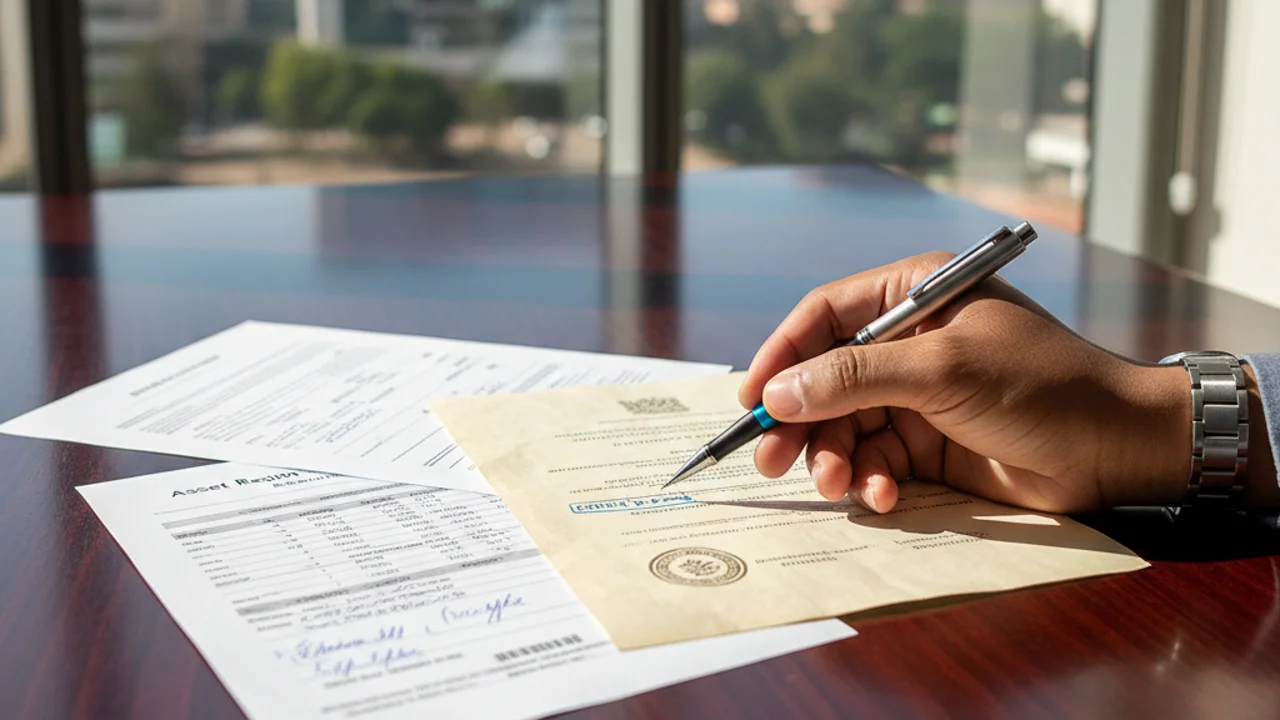
When pursuing asset seizure solutions in Kenya, understanding the associated costs is vital for proper financial planning. The fees generally comprise court filing fees, legal advocate charges (if legal representation is sought), and critically, the charges levied by licensed auctioneers. Auctioneer fees are regulated under the Auctioneers Rules and typically include a percentage of the recovered amount, valuation fees, storage charges for seized assets, and advertising costs for the eventual public auction.
While specific costs can vary based on the asset's value and complexity of the seizure, clients can expect court filing fees to range from KES 1,000 to KES 5,000 for basic applications, with auctioneer levy fees potentially starting from KES 5,000 upwards, plus a percentage of the realized value (e.g., 5% to 10% on the first KES 100,000). At Swipe Recoveries Experts Ltd, we provide transparent cost breakdowns and guidance, ensuring you are fully aware of all potential expenses. We operate with integrity from International Life House, 8th Floor, Mama Ngina Street, Nairobi, committed to delivering cost-effective and efficient asset seizure solutions.