Navigating Private Lender Repossession in Mombasa
For private lenders in Mombasa, securing collateral through private lender repossession Mombasa is a critical step when borrowers default on their loan agreements. This process, while essential for asset protection, requires meticulous adherence to legal procedures to avoid costly disputes and maintain compliance. Swipe Recoveries Experts Ltd specializes in providing efficient, lawful, and professional repossession services. We understand the unique challenges private lenders face and offer tailored solutions to recover assets such as vehicles, machinery, or property, ensuring your investment is safeguarded without compromising legal integrity. Our expertise in the local regulatory environment of Mombasa positions us as the trusted partner for seamless asset recovery.
Statutory Framework for Repossession in Kenya
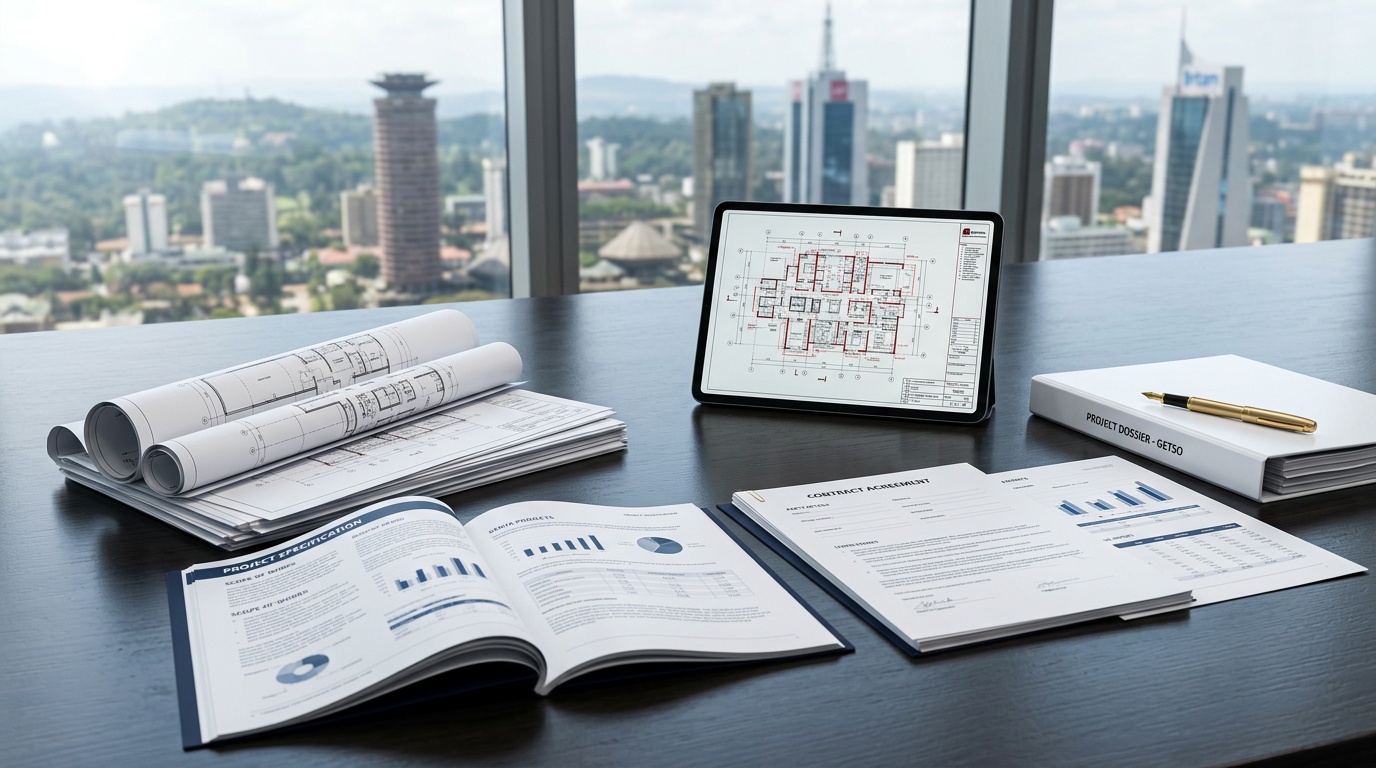
The process of private lender repossession Mombasa is strictly regulated by Kenyan law, designed to protect both the lender's interest and the borrower's rights. Key legislation includes the Movables Property Security Rights Act 2017, which governs the creation, perfection, and enforcement of security interests in movable assets like vehicles and equipment. For immovable property (land and buildings), the Land Act 2012 and the Land Registration Act 2012 stipulate procedures for chargee's remedies, including the power of sale. Before any repossession, a lender must serve the defaulting borrower with specific statutory notices, typically a demand to rectify the default within a prescribed period (e.g., a 21-day or 40-day notice, depending on the asset and agreement). Failure to comply after notice paves the way for legal action. Swipe Recoveries Experts Ltd ensures every step, from drafting accurate notices to obtaining necessary court orders for peaceful entry or sale through a licensed auctioneer, is fully compliant with the Auctioneers Act Cap 526 and the Civil Procedure Act Cap 21. Our experts meticulously navigate these legal complexities to facilitate lawful repossession and avoid procedural pitfalls.

The Repossession Procedure: Steps to Asset Recovery
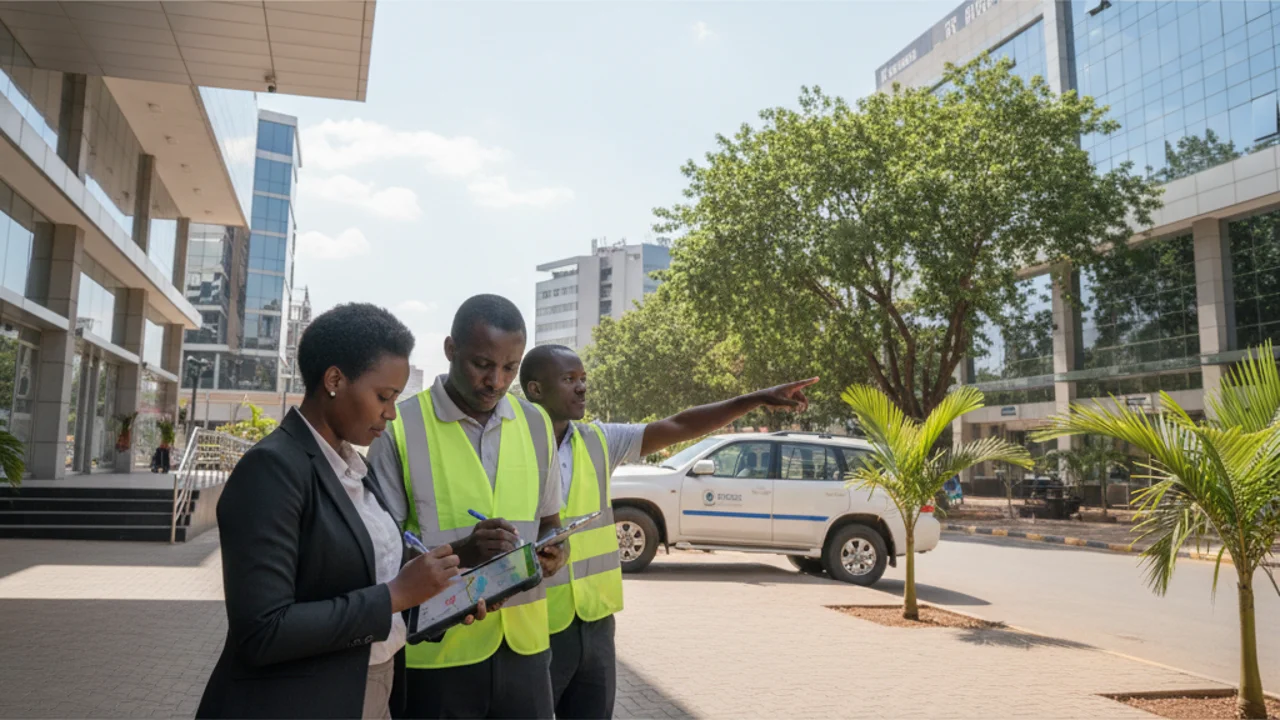
Executing a private lender repossession Mombasa involves a carefully orchestrated series of steps. Initially, upon borrower default and expiry of statutory notices, Swipe Recoveries Experts Ltd conducts thorough investigations, including skip tracing and asset verification to locate the collateral within Mombasa's vast areas like Nyali, Bamburi, or Changamwe. For movable assets, a licensed auctioneer, appointed by the lender, will issue a Proclamation Notice and proceed with physical repossession. For land or charged property, a court order from the Environment and Land Court (ELC) or the High Court may be required, followed by public auction or private treaty sale. Our team coordinates with legal counsel to obtain any necessary court orders, ensuring the repossession is peaceful and lawful. Post-repossession, assets are stored securely, and a professional valuation is conducted as per the Valuation Act Cap 299 to determine a fair market price for sale, typically via public auction. We manage the entire process, including liaising with local authorities (e.g., police for vehicles, Land Registry for property) to ensure proper documentation and transfer of ownership. Our aim is to achieve swift and maximum recovery for the private lender while strictly adhering to all legal and ethical standards.
Debt Recovery & Auctioneering Coverage in Mombasa, Kenya
Swipe Recoveries Experts Ltd provides commercial recovery, skip tracing, and auctioneering services across Mombasa, Kenya and all 47 counties in Kenya.
Costs, Timelines, and Maximizing Recovery Value
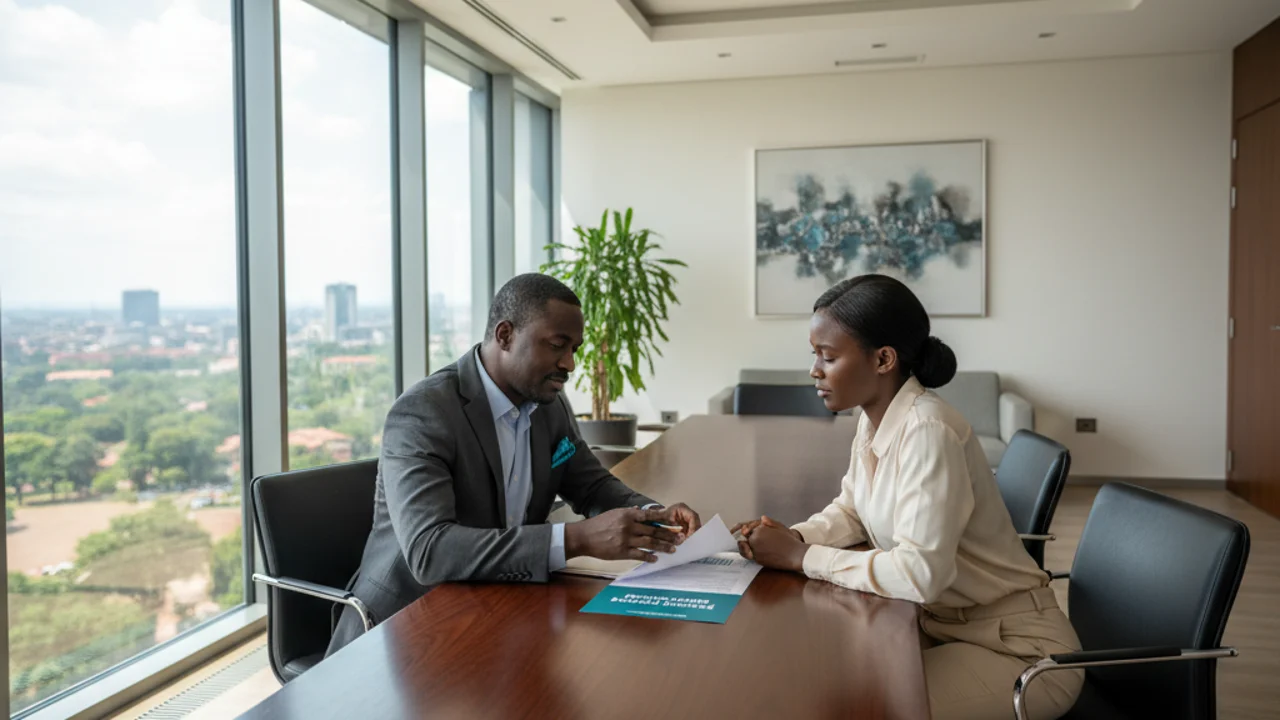
The costs associated with private lender repossession Mombasa can vary depending on the type of asset, its location, and the complexity of the default. Typical expenses include legal fees for drafting notices and court representation (ranging from KES 40,000 to KES 180,000+), auctioneer fees (often a percentage of the forced sale value, usually 1-5%), storage fees for repossessed assets (e.g., KES 2,000-5,000 per day for vehicles), and valuation fees (e.g., KES 10,000-50,000). Swipe Recoveries Experts Ltd provides a detailed breakdown of these costs upfront. The timeline can range from a few weeks for straightforward vehicle repossessions to several months for complex land-related cases requiring court intervention. Our expertise helps to streamline these timelines, reducing prolonged expenses. We advise private lenders to weigh the costs against the potential recovery value, especially for significant collateral. By partnering with us, you ensure a cost-effective and compliant process, maximizing the chances of recovering your capital efficiently and transparently.