Understanding Repossession Costs in Kenya
Navigating Kenya repossession charges is essential for lenders and individuals seeking to recover secured assets. These charges encompass a range of fees, from statutory notices and legal processes to auctioneer services and storage costs. The specific costs are influenced by the type of asset, its location, and the complexity of the repossession. Swipe Recoveries Experts Ltd specialises in efficient and legally compliant asset recovery across Kenya, providing transparent fee structures. Our innovative, tailored solutions ensure "Results That Matter," making the repossession process as straightforward and cost-effective as possible, with dedication at the core of every engagement.
Statutory & Regulatory Framework for Repossession Charges in Kenya
Repossession in Kenya is strictly governed by several key statutes that directly impact the associated charges. The primary legislation includes the Hire Purchase Act Cap 507 for goods acquired on hire purchase terms, and the Movables Property Security Rights Act, 2017 (MPSR Act), which provides a comprehensive framework for security interests in movable assets like vehicles, machinery, and equipment. The Auctioneers Act Cap 526 and its rules dictate the professional fees and procedures for auctioneers involved in the repossession and subsequent sale of assets.
Under these Acts, specific requirements must be met before repossession can occur, such as the issuance of a statutory notice of default (often a 21-day notice under the Hire Purchase Act or MPSR Act) to the debtor. Failure to adhere to these legal steps can invalidate the repossession and incur significant legal penalties or counterclaims, thereby increasing overall costs. Swipe Recoveries Experts Ltd ensures strict compliance with these legal mandates, including those relating to the Data Protection Act, 2019, when handling debtor information. Our expertise in navigating these complex frameworks ensures that all repossession actions are lawful and transparent, ultimately controlling the overall Kenya repossession charges for our clients.

The Repossession Procedure, Requirements & Common Charges
The standard repossession procedure in Kenya begins with verifying the security agreement and confirming the debtor's default. Essential requirements include a valid loan or hire purchase agreement, proof of default, and confirmation that the requisite statutory notices have been duly served. If the debtor fails to remedy the default within the notice period, repossession can proceed, often with the involvement of a licensed auctioneer.
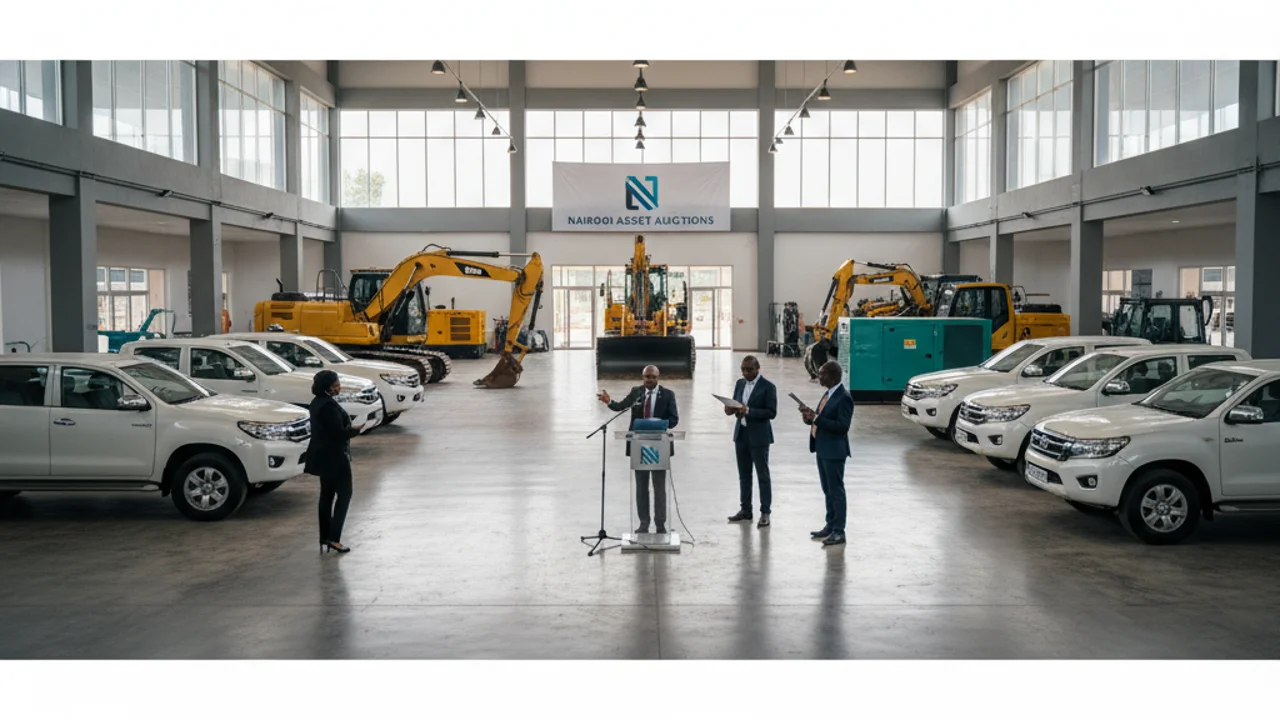
Common Kenya repossession charges include the auctioneer's fees, which are often a percentage of the asset's value or a fixed charge as per the Auctioneers Act rules. For instance, obtaining a court order for repossession (if required, particularly for debts exceeding two-thirds of the hire purchase price or under specific MPSR Act conditions) will incur legal fees (advocate fees and court filing fees, e.g., KES 5,000 - KES 15,000 for filing applications). Other charges include logistics for transportation of the repossessed asset, storage fees (e.g., KES 500 - KES 2,000 per day for vehicles), and valuation fees prior to auction. Swipe Recoveries Experts Ltd provides a meticulous breakdown of these costs, from our base in Nairobi, ensuring our clients receive tailored solutions that are efficient and compliant, securing "Results That Matter" in asset recovery.
Debt Recovery & Auctioneering Coverage in Kenya
Swipe Recoveries Experts Ltd provides commercial recovery, skip tracing, and auctioneering services across Kenya and all 47 counties in Kenya.
Cost Breakdown in KES & Practical Tips for Lenders
Understanding the precise Kenya repossession charges is vital for financial planning. For instance, auctioneer's fees are typically regulated by the Auctioneers Act and can be 5-10% of the value of the repossessed item for its sale. Transport costs for a vehicle repossession could range from KES 10,000 to KES 50,000 depending on distance within Kenya, while storage fees might be KES 1,000 per day. For heavy machinery, these costs would be significantly higher. Legal fees for obtaining a court order can start from KES 50,000, escalating with case complexity.
Lenders should factor in these expenses in Kenya Shillings (KES) when granting credit or entering into security agreements. It’s practical to include clauses for recovery costs in loan contracts. Swipe Recoveries Experts Ltd offers proactive advice to lenders, emphasising clear documentation and timely action to minimise overall repossession charges. Our team, based at International Life Hse, Mama Ngina Street, Nairobi, excels in navigating the complexities of asset recovery. By providing innovative, tailored solutions and transparent costings, we help our clients understand and manage their expenses effectively, ensuring their assets are recovered efficiently.