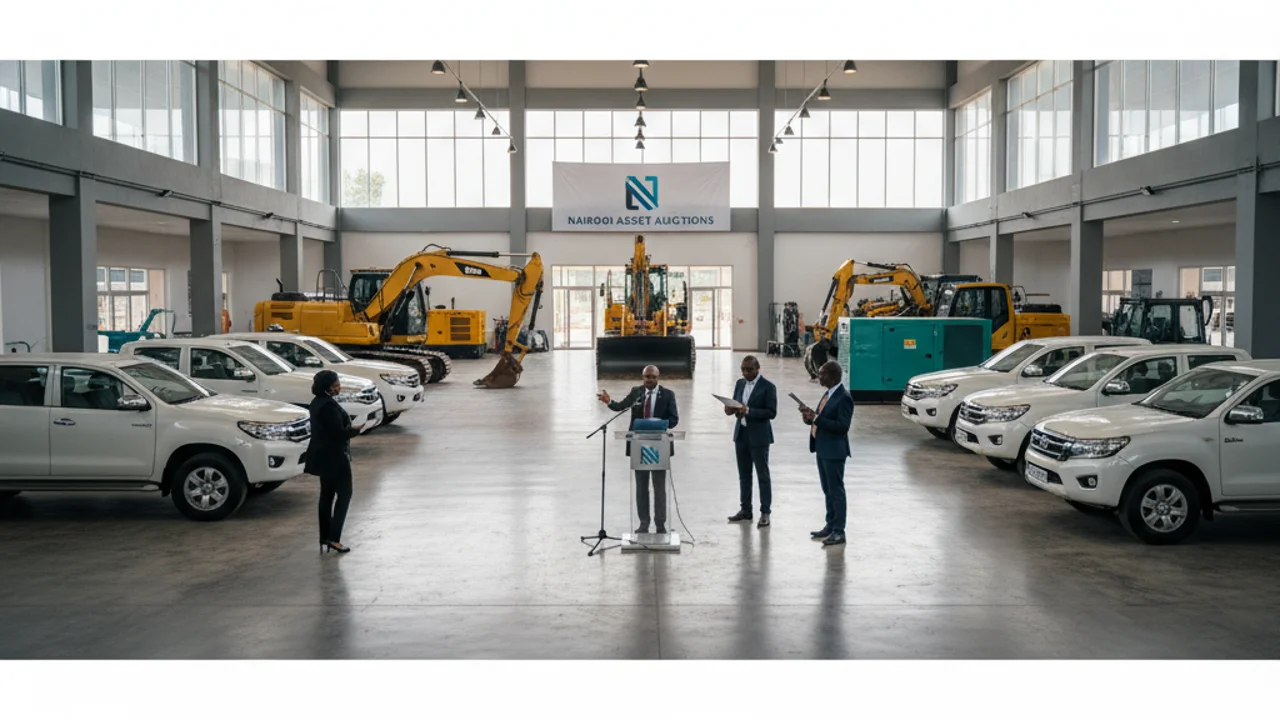
Understanding Vehicle Disposal Kenya Banks Process
For vehicle disposal Kenya banks rely on efficient, legally compliant, and results-oriented services to recover outstanding loans secured by movable assets. The process involves more than just selling a car; it requires meticulous adherence to legal frameworks, professional valuation, and strategic auctioneering. Swipe Recoveries Experts Ltd specializes in providing comprehensive solutions for financial institutions, ensuring that every stage from repossession to final sale is handled with utmost professionalism, transparency, and in full compliance with Kenyan statutes, optimizing recovery for our banking partners.
Legal & Regulatory Framework for Vehicle Disposal by Banks in Kenya
The framework governing vehicle disposal Kenya banks undertake is primarily rooted in the Chattels Transfer Act (Cap 28), the Hire Purchase Act (Cap 507) (if applicable), and the Auctioneers Act (Cap 526). When a borrower defaults on a secured vehicle loan, banks (such as KCB Bank, Equity Bank, Absa Bank, and Standard Chartered Bank) can initiate repossession procedures. The loan agreement, often a chattel mortgage or a charge over a movable asset, grants the bank the right to seize the vehicle. Crucially, the bank must serve proper legal notices, typically a demand notice followed by a specific notice of intention to repossess and sell, giving the borrower adequate opportunity to rectify the default. These notices must comply with statutory timelines to ensure legal validity of the repossession.
Furthermore, the National Transport and Safety Authority (NTSA) Act and regulations govern aspects of vehicle registration and transfer, which become relevant post-sale. The auction process itself falls under the purview of the Auctioneers Rules, dictating how the sale must be advertised, conducted, and how proceeds are accounted for. Any valuation must be conducted by a registered valuer to ensure fairness and compliance. Swipe Recoveries Experts Ltd ensures strict adherence to all these legal prerequisites, mitigating risks for financial institutions. Our detailed understanding of these regulations prevents legal challenges and streamlines the recovery process for vehicle disposal Kenya banks rely on.

Step-by-Step Procedure for Vehicle Repossession and Disposal
The process of vehicle disposal Kenya banks initiate starts with identifying the defaulted loan and issuing demand notices to the borrower, typically providing 7-14 days to clear the arrears. If the default persists, a formal repossession notice is served. Upon lawful repossession, the vehicle is secured at a designated storage facility. A crucial step then involves a professional valuation of the vehicle by a registered valuer, determining its current market value and setting a reserve price for auction. This valuation considers factors like make, model, year of manufacture, mileage, condition, and market demand, ensuring the asset is sold at a fair price.
Once valued, the bank instructs a licensed auctioneer (like Swipe Recoveries Experts Ltd) to advertise the vehicle for public auction. Advertisements are placed in local newspapers with wide circulation, detailing the vehicle’s description, location for viewing, and the auction date and time. On the auction day, the vehicle is offered for sale. Bidders are often required to place a cash deposit (e.g., KES 50,000 or 25% of the bid price) to participate. Upon successful bid, the balance is due within a set period, usually 7-14 days. Post-sale, the auctioneer facilitates the transfer of ownership documentation with the NTSA and disburses the proceeds, prioritizing the bank's outstanding debt, auctioneer's fees, and any surplus remitted to the borrower.
Debt Recovery & Auctioneering Coverage in Kenya
Swipe Recoveries Experts Ltd provides commercial recovery, skip tracing, and auctioneering services across Kenya and all 47 counties in Kenya.
Cost Structure and Practical Fee Expectations in KES for Vehicle Disposal

The total vehicle disposal Kenya banks incur involves several components.
1. Repossession Fees: These include costs for vehicle tracking, physical retrieval, and transport to a storage yard. This can range from KES 10,000 to KES 30,000, depending on distance and complexity.
2. Storage Fees: Daily rates for secure storage, typically KES 500 – KES 1,500 per day. For a vehicle stored for 30 days, this could be KES 15,000 – KES 45,000.
3. Valuation Fees: Charged by professional valuers, usually KES 5,000 – KES 15,000 per vehicle.
4. Auctioneer's Expenses:
* Advertising: Dependent on media choice, typically KES 10,000 – KES 30,000 for newspaper adverts.
* Administrative & Logistics: KES 5,000 – KES 10,000.
* Commission: As per the Auctioneers Rules, movable property typically attracts a commission of 2.5% to 5% of the sale proceeds. For a vehicle sold for KES 1,500,000, the commission might be KES 37,500 (2.5%) to KES 75,000 (5%).
Therefore, for a vehicle sold at KES 1,500,000, the total disposal costs could range from approximately KES 80,000 to KES 190,000+, excluding legal fees for initial demand notices. Swipe Recoveries Experts Ltd offers transparent pricing, providing itemized invoices and adhering strictly to regulated fee structures, ensuring cost-effectiveness and maximizing recovery for financial institutions.