Discovering Opportunities: Bank Repossessed Goods Kenya
The market for bank repossessed goods Kenya presents a dynamic and often lucrative avenue for individuals and businesses to acquire a wide array of assets at competitive prices. These goods, ranging from electronics and furniture to heavy machinery and office equipment, become available when borrowers default on loans secured by movable collateral. Understanding how to locate these items, the auction procedures, and the legal implications is crucial for making informed and successful acquisitions. Swipe Recoveries Experts Ltd stands as a leader in asset recovery, offering unparalleled expertise to help you navigate this specialized market and secure valuable repossessed items efficiently and compliantly across Kenya.
Legal Framework for Repossession and Sale of Movable Goods
The repossession and subsequent sale of bank repossessed goods Kenya are governed by specific legal provisions designed to protect both the lender's and borrower's rights. The primary statutes include the Auctioneers Act Cap 526, which sets out the rules for conducting public auctions, and the Hire Purchase Act Cap 507, particularly relevant when goods are acquired through a hire purchase agreement. Financial institutions (creditors) typically exercise their right to repossess goods after a borrower fails to meet the agreed-upon payment terms, following the issuance of demand and repossession notices.
Crucially, the law requires that the borrower be given an opportunity to redeem the goods before sale. Once repossessed, the goods must be sold by a licensed auctioneer, who is responsible for advertising the sale through appropriate channels, such as local newspapers. The auction process must be fair and transparent, with the aim of fetching the best possible price for the goods. While specific regulations exist for different types of assets (e.g., vehicles under the Traffic Act), the general principles of public auction and fair market value apply. Swipe Recoveries Experts Ltd meticulously adheres to these legal frameworks, ensuring that all aspects of repossession and sale of bank repossessed goods Kenya are conducted with utmost legality and integrity.

Procedure for Identifying, Inspecting, and Acquiring Repossessed Goods
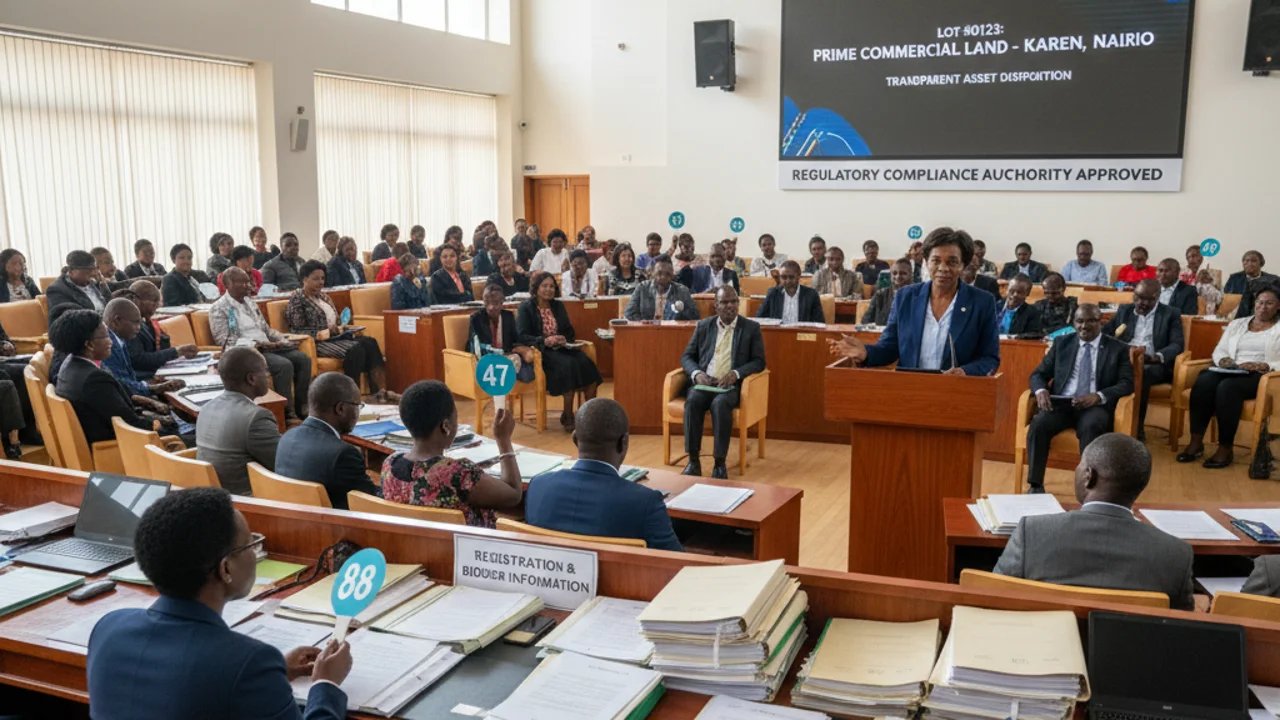
Identifying and acquiring bank repossessed goods Kenya involves a structured process that maximizes your chances of a successful purchase. The first step is to actively monitor auction announcements, which are frequently published in national newspapers like the Daily Nation and The Standard, as well as on the websites of prominent auctioneers and financial institutions. Once specific goods are identified, it is critical to attend the designated viewing days. During this period, prospective buyers are allowed to physically inspect the items. This inspection should be thorough, as repossessed goods are typically sold 'as is, where is,' without any warranty. Buyers should assess the condition, functionality, and completeness of the goods and cross-reference details with the auction catalogue.
On the auction day, interested bidders usually register and pay a refundable deposit. Bidding then commences, with the highest bidder securing the goods. Upon a successful bid, a percentage of the hammer price (often 25%) is required immediately as a deposit, with the remaining balance due within a short, specified period, usually 24-72 hours. Failure to complete payment within this timeframe can lead to forfeiture of the deposit and the goods being re-auctioned. After full payment, buyers are responsible for collecting the goods from the auction premises. Swipe Recoveries Experts Ltd offers expert guidance throughout this entire process, from asset identification and pre-auction due diligence to secure acquisition and collection of bank repossessed goods Kenya.
Debt Recovery & Auctioneering Coverage in Kenya
Swipe Recoveries Experts Ltd provides commercial recovery, skip tracing, and auctioneering services across Kenya and all 47 counties in Kenya.
Costs, Fees, and Practical Considerations for Buyers

When acquiring bank repossessed goods Kenya, buyers should be aware of all associated costs beyond the winning bid. The primary additional charge is the auctioneer's commission, which can vary but is typically between 5% and 10% of the hammer price, plus VAT, especially for lower-value items. Buyers might also incur storage fees if goods are not collected within the stipulated timeframe after purchase. Transportation costs from the auction site to your desired location are another significant consideration, particularly for bulky or heavy machinery. It's important to budget for these logistics.
Potential buyers should also account for any necessary repairs, servicing, or cleaning, as repossessed items are sold in their current condition. While some items might be nearly new, others could require substantial investment to be fully operational or presentable. Swipe Recoveries Experts Ltd advises conducting a thorough cost-benefit analysis before bidding. We emphasize transparent communication about all potential fees, providing clients with a clear financial picture. Partner with us for comprehensive advice on navigating the costs and practicalities of acquiring bank repossessed goods Kenya, ensuring a smooth and financially sound transaction.