Unlocking Opportunities in Residential Property Auctions
Seeking to acquire your next home or investment property? Engaging in residential property auctions offers a compelling pathway to potentially secure prime real estate at favourable terms. Swipe Recoveries Experts Ltd, operating from International Life Hse, 8th Floor, Mama Ngina Street, Nairobi, is your trusted partner in navigating these dynamic auctions. Understanding the legal landscape, including the Land Registration Act, 2012, and the regulations set forth by the Kenya National Land Commission (NLC), is crucial for a successful transaction. These auctions are governed by strict procedures to ensure fairness and legality for all participants involved in acquiring homes and apartments.
The Legal Framework Governing Residential Property Auctions in Kenya
The acquisition of residential property through auction in Kenya is meticulously regulated to uphold the integrity of the process. Key legislation such as the Land Registration Act, 2012, mandates clear title documentation and transfer protocols. The Auctioneers Act, 2010, dictates the ethical conduct and licensing requirements for auctioneers, ensuring that professionals like Swipe Recoveries Experts Ltd adhere to the highest standards. For properties under charge (mortgaged), the process often falls under the purview of the Insolvency Act, 2015, and the Mortgage Regulations, which outline the rights and responsibilities of lenders and borrowers during a sale by auction. Familiarity with these statutes, alongside local county government by-laws concerning property development and ownership, is vital for any bidder.

Navigating the Residential Property Auction Process: A Step-by-Step Guide
Participating in residential property auctions requires a strategic and informed approach. Swipe Recoveries Experts Ltd guides clients through each critical stage. The process typically commences with identifying an auction listing, often published in newspapers or online platforms. Potential bidders are strongly advised to conduct thorough due diligence. This includes physically inspecting the property, reviewing the title deed, verifying any outstanding rates or service charges with the relevant county government (e.g., Nairobi City County), and understanding the terms and conditions of sale. A refundable bidding deposit, typically ranging from KES 100,000 to KES 500,000, may be required upon registration. On the auction day, keen bidding ensues, culminating in the highest bidder being declared the purchaser. A significant deposit is usually required immediately, with the balance due within a set timeframe, commonly 30-90 days, to facilitate the transfer of ownership.
Understanding Costs and Practicalities in Residential Property Auctions
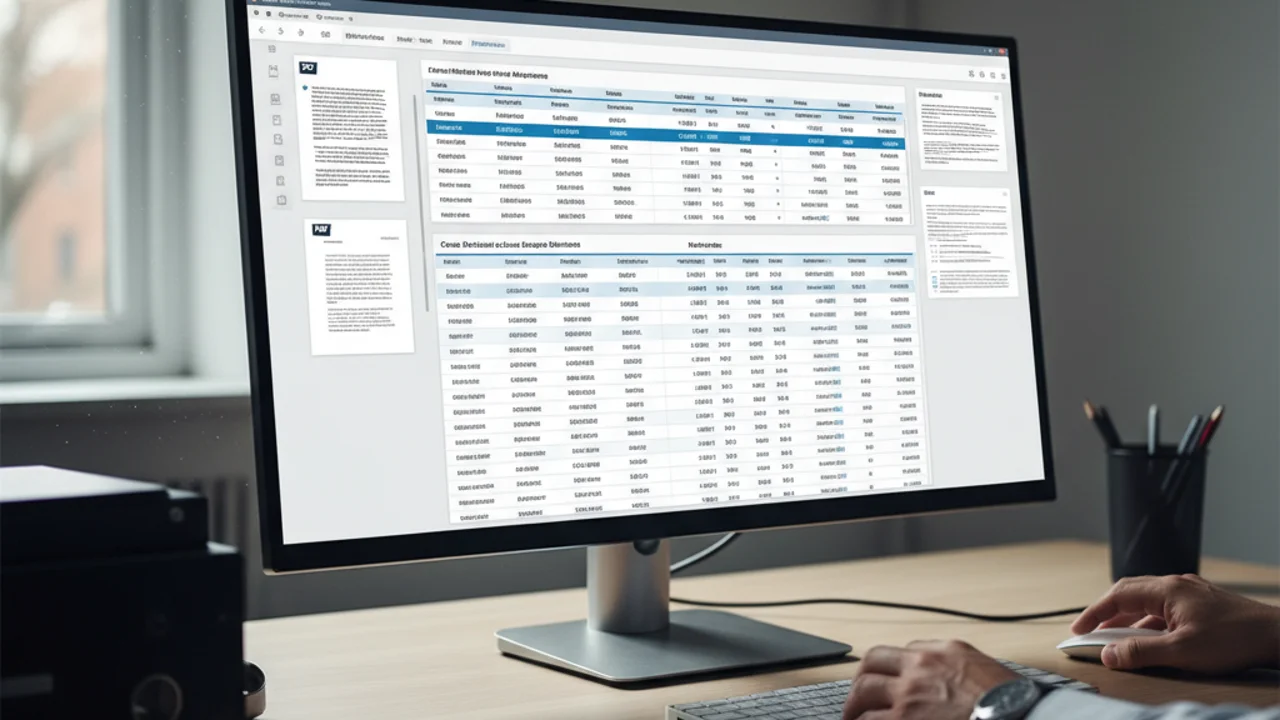
When you decide to participate in residential property auctions, understanding the full cost implications is paramount. Beyond the winning bid amount, several other expenses must be factored in. These include stamp duty, which is levied at 4% of the property value within municipalities and cities like Nairobi, and 2% for areas outside these zones. Legal fees for conveyancing, typically ranging from 1.5% to 3% of the purchase price, will also apply. You may encounter valuation fees, legal search fees, and registration fees to update the title deed in your name. It's also essential to inquire about any outstanding utility bills or service charges that the buyer might inherit. Swipe Recoveries Experts Ltd provides detailed cost breakdowns and expert advice to ensure transparent and predictable expenditure.