Navigating the Market for Repossessed Vehicle Auctions in Nairobi
Are you looking to participate in an auction for repossessed vehicles in Nairobi? Repossessed vehicle auctions offer a unique opportunity to acquire assets at competitive prices, but understanding the legal framework and processes involved is paramount. Swipe Recoveries Experts Ltd provides expert guidance and services for both those seeking to recover debts through vehicle auctions and individuals interested in purchasing repossessed assets, ensuring transparency and compliance with Kenyan law. Our deep expertise in asset recovery and auctioneering makes us a trusted partner in this dynamic market.
Legal Framework and Key Regulations for Vehicle Repossession and Auction in Kenya
The process of repossessing and auctioning vehicles in Kenya is governed by a robust legal framework designed to protect both the rights of creditors and debtors. Key statutes include the Auctioneers Act, Cap 526, which regulates the conduct of auctioneers, and the Chattels Transfer Act, Cap 28, which deals with charges on movable property. When a borrower defaults on a loan secured by a vehicle, the lender (chargee) must adhere strictly to these laws. This typically involves issuing statutory notices as prescribed by the relevant financing agreement and general law, giving the debtor an opportunity to remedy the default.
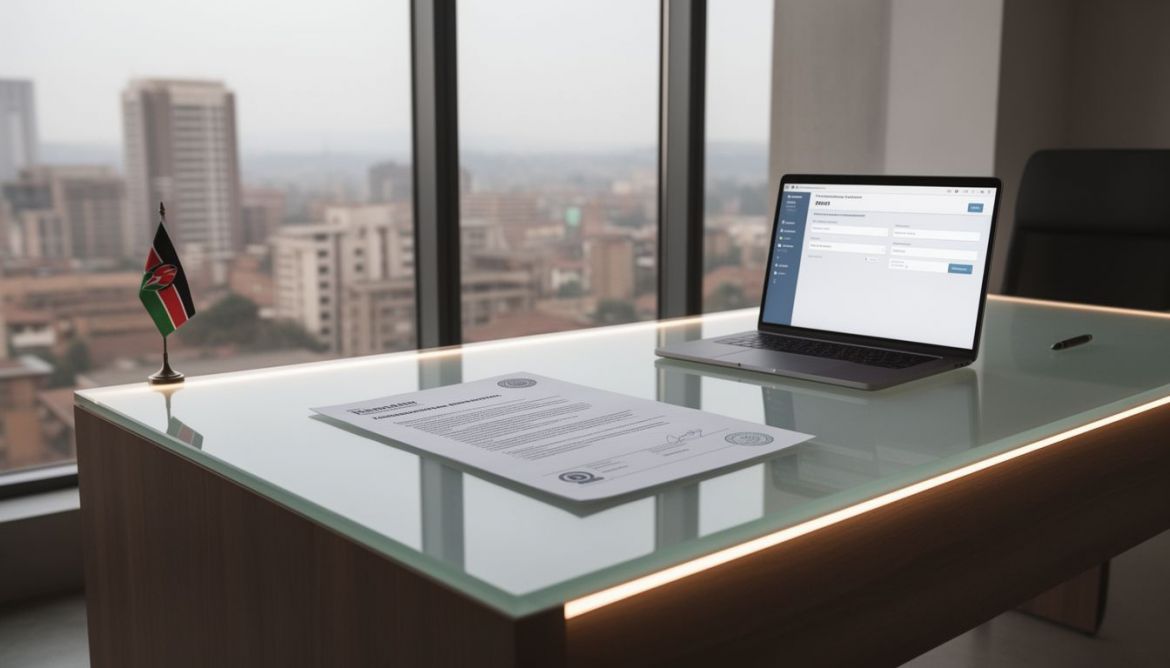
Furthermore, the National Transport and Safety Authority (NTSA) plays a crucial role in the transfer of vehicle ownership post-auction, requiring proper documentation from the auctioneer and the KRA. Licensed auctioneers, regulated by the Auctioneers Board of Kenya, are central to the entire process, from issuing proclamations of sale to conducting public auctions. Any deviation from these legal provisions can render a repossession or auction invalid, highlighting the importance of engaging experienced professionals like Swipe Recoveries Experts Ltd to ensure full compliance and enforceability.

Procedure for Participating in Repossessed Vehicle Auctions and Compliance
Participating in repossessed vehicle auctions requires diligence and adherence to specific procedures. Firstly, potential buyers should identify reputable auction houses or platforms advertising these sales. In Nairobi, these advertisements are often found in local dailies or on auctioneer websites. Upon identifying an auction, it's crucial to attend viewing dates to inspect the vehicles, as they are often sold “as is where is”. Registration with the auctioneer and depositing a refundable bidding deposit (e.g., KES 10,000 to KES 50,000 depending on the vehicle’s value) are standard requirements before bidding commences.
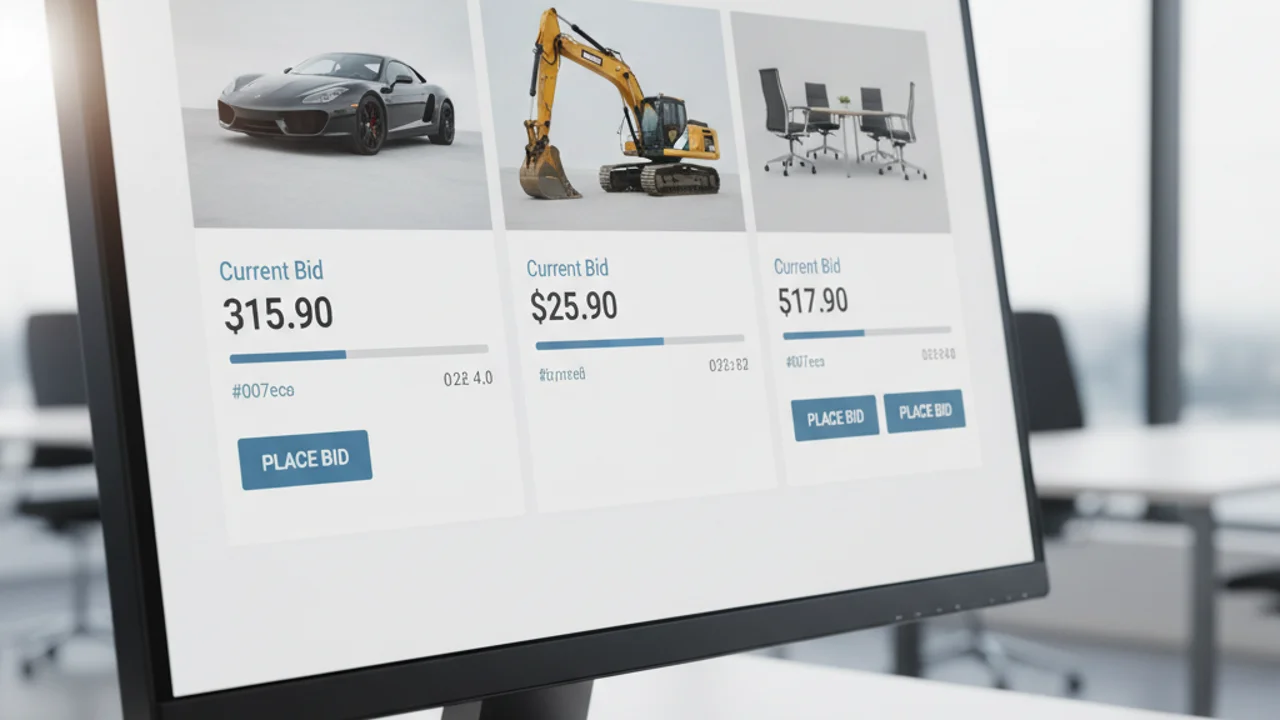
The actual auction involves competitive bidding, and the highest bidder, upon exceeding any reserve price, secures the vehicle. Payment terms are usually strict, often requiring the full balance within a few days (e.g., 7 days). Failure to pay can lead to forfeiture of the deposit and resale of the vehicle. After full payment, the auctioneer facilitates the transfer of ownership documents (logbook) through NTSA, ensuring all KRA taxes and transfer fees are settled. Swipe Recoveries Experts Ltd assists clients in navigating these steps, ensuring a smooth and legally compliant acquisition process.
Cost Expectations and Practical Guidance for Vehicle Auctions in Kenya
The costs associated with acquiring a vehicle through an auction go beyond the winning bid. Buyers should factor in several charges. Firstly, auctioneer's commission is typically levied on the buyer, often ranging from 2.5% to 5% of the sale price, as per the Auctioneers Rules. For instance, a vehicle bought for KES 1,000,000 might incur a KES 25,000 to KES 50,000 commission. Secondly, NTSA transfer fees and KRA stamp duty apply, varying based on the vehicle’s engine capacity and value. These can range from KES 2,000 to KES 10,000 or more. Additionally, buyers might incur storage charges if the vehicle is not collected promptly after payment.
It is advisable to budget for potential repair costs, as repossessed vehicles are sold without warranty. Prior to bidding, consider arranging for a pre-inspection by a trusted mechanic during the viewing period. Swipe Recoveries Experts Ltd recommends setting a maximum bid beforehand and sticking to it to avoid overpaying. Our experts can provide invaluable insights into market values and procedural nuances, helping you make informed decisions and secure the best deals responsibly.